
Duncan Jones says “Rogue Trooper” has no AI, then sells its indie-size miracle
The director-writer and producer break down how they landed major voice talent and kept the process clean.
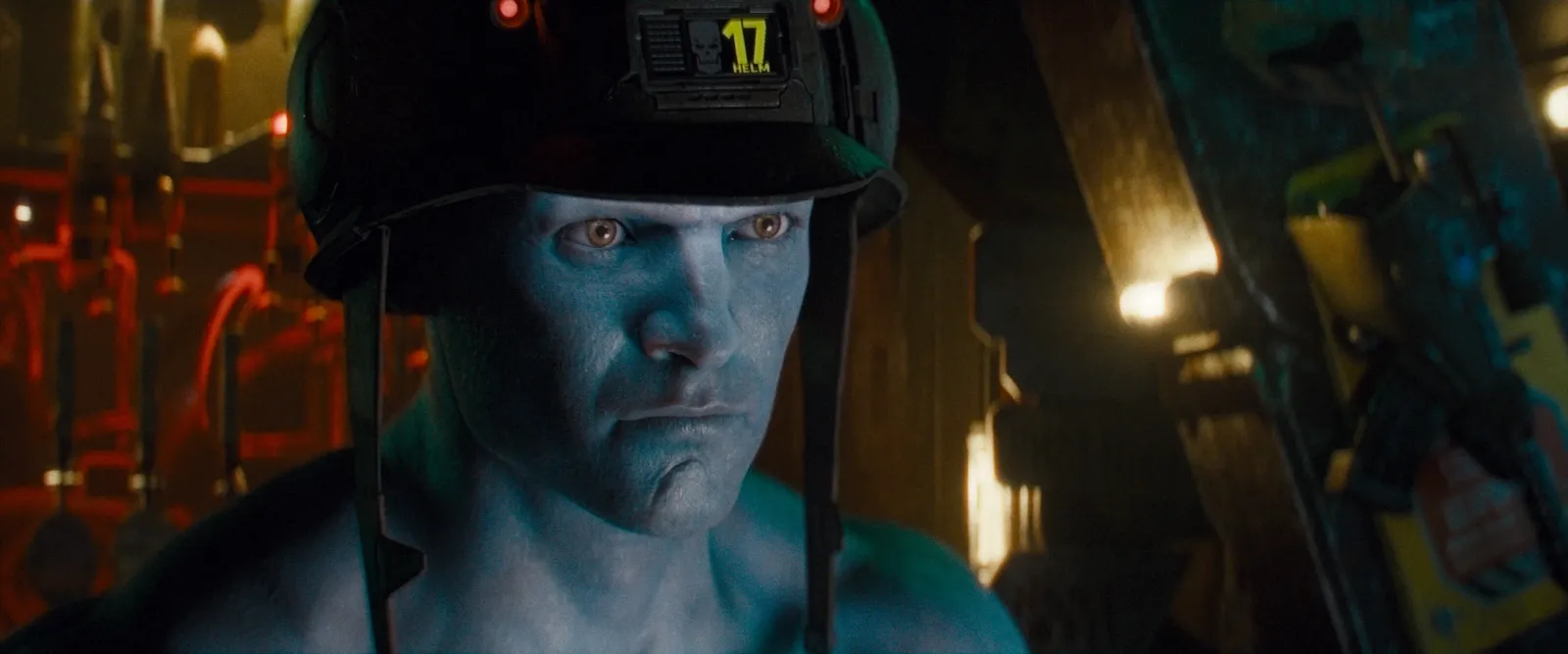
Duncan Jones, the director-writer of “Rogue Trooper,” says “There’s AI - the film has no AI.” Producer Stuart Fennegan discusses the cast behind the film’s standout voice lineup. For decision-makers, it is a real-world test of how “AI” claims and indie budgets collide in 2025.
“There’s AI - the film has no AI,” says director-writer Duncan Jones, emphatically, about his latest feature, “Rogue Trooper.” That line matters because it hits at the one thing audiences and regulators now scrutinize first: what kind of production you ran, and whether you leaned on synthetic shortcuts. And in a medium that is still figuring out the rules, Jones is drawing a hard boundary. The message is simple but high-stakes. In a world where “AI” is becoming both a marketing magnet and a compliance headache, saying “no AI” is not just a creative stance. It is a business position.
The “no AI” claim shows up as producer Stuart Fennegan talks through how the team got the film’s stellar voice cast. “Rogue Trooper” includes Aneurin Barnard, Jack Lowden, Hayley Atwell, Daryl McCormack, Reece Shearsmith, Sean Bean, Diane Morgan, and Matt Berry. That list is doing a ton of work, because it frames the production as an indie-style maneuver with studio-level talent. If you are trying to understand why this is interesting to executives, the answer is that it forces a question every budget owner has to ask now: if you can attract top-tier talent without leaning on AI, what exactly are you optimizing for, and what are you protecting?
Here is the context executives should care about, even if Variety’s piece focuses on the creative side. The entertainment industry is moving fast on two fronts at once. First, production teams are experimenting with new tools, including machine-generated assistance, to compress costs and speed timelines. Second, studios, platforms, and governments are tightening expectations around disclosure, authorship, and consent. In practice, that means AI is no longer just a technical decision. It is a risk register item. Who gets credited? What was generated versus performed? What must be labeled for audiences and intermediaries? What happens when a project has to defend its methods to partners? Jones and Fennegan are effectively telling a story where their method is legible.
That is a power move, especially when the headline premise is that they made “Rogue Trooper” look like a studio epic on an indie budget. The second-order implication is not that every indie film can copy the recipe. It is that the credibility of the production process can become part of the brand, and brand influences financing and distribution. Talent agencies, marketing teams, and platform buyers all ask similar questions, even if they phrase them differently. They want assurance the project is not going to trip alarms later, whether those alarms are public backlash, partner policy changes, or contractual complications.
The cast also signals another incentive dynamic: voice acting at this level is expensive and hard to coordinate. Getting names like Sean Bean and Hayley Atwell into a project is rarely a matter of just sending an email and hoping. It typically reflects confidence in the script, the director, the production schedule, and the credibility of the team shepherding the project to final delivery. For a director-writer like Duncan Jones to emphasize “no AI,” and for producer Stuart Fennegan to foreground how the team “got” the cast, suggests the film’s leadership believes authenticity and trust are selling points, not just creative values. That is important for executives because it aligns creative decisions with operational outcomes. When the process is clear, the team can sell the project to stakeholders with fewer caveats.
Now zoom out to why this is a governance issue for boards and investors, not just a trivia item for film fans. As AI becomes more common across media, claims like “the film has no AI” can function like a compliance marker. They tell partners that the project is trying to stay on the right side of emerging norms. Even when specific laws vary by territory, buyers still live by internal policies and contractual language that can require disclosures or restrictions around synthetic media. If your project is transacting through major intermediaries, ambiguity becomes costly. Clarity becomes leverage.
And there is a strategic stake for peers in similar roles. If you are a producer, CFO, or studio exec watching “Rogue Trooper” get positioned as indie-budget epic with top voice talent, you are likely asking what the market rewards. Does the audience care most about story and performance, or do they also reward transparency about production methods? The Jones answer, at least in this moment, is that transparency can be part of the performance. He is not hedging. He is saying there is AI around, but the film itself is not using it. That stance can either reduce friction with certain partners or narrow the buyer pool if other stakeholders have different definitions of acceptable tool use. But it also forces a direct conversation, which is better than silent uncertainty.
In the end, “Rogue Trooper” is being sold as a talent-forward, authenticity-forward production. Duncan Jones draws a line in the sand with “There’s AI - the film has no AI,” while Stuart Fennegan’s cast breakdown puts heavyweight performers front and center: Aneurin Barnard, Jack Lowden, Hayley Atwell, Daryl McCormack, Reece Shearsmith, Sean Bean, Diane Morgan, and Matt Berry. For decision-makers, the takeaway is that today’s indie wins are not only about making the numbers work. They are about making the process defensible, the story credible, and the talent acquisition possible without needing to rely on the new controversy as a crutch.
This story's Key Insights and Take-aways are locked.
Create a free account to unlock Executive Actions for one credit.
Register to UnlockAlways free for Executives Club members. Join the Club
More in Entertainment

Steam drops four paid games to free for 24 hours starting June 20
Management sim, grand strategy, sports, and mech FPS go free this weekend, so plan installs and playtime like a release week.
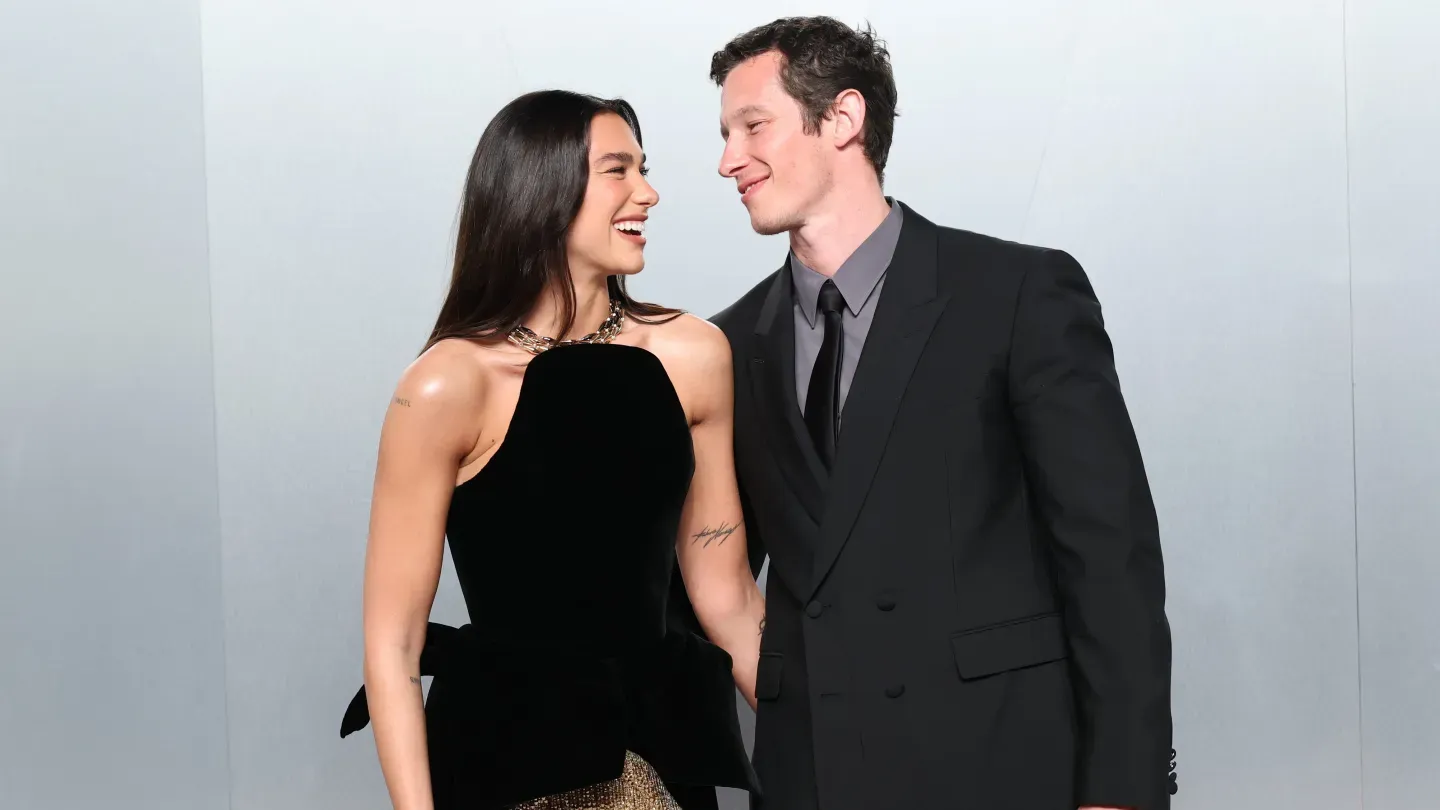
Dua Lipa posts first photos of her custom Chanel wedding dress after Palermo celebrations
The Grammy winner and Callum Turner share debut wedding-dress images from a separate three-day Palermo event.

Marjane Satrapi dies at 56, Saudi and global arts move fast
The arts world’s biggest loss hits the same week Saudi culture accelerates talent-building with Royal College of Art support.