
Steam drops four paid games to free for 24 hours starting June 20
Management sim, grand strategy, sports, and mech FPS go free this weekend, so plan installs and playtime like a release week.

Steam is making four games completely free to play for 24 hours during the weekend of June 20. For decision-makers, the move is a reminder that platform-led promotions can instantly reshape user acquisition and short-term engagement.
Steam is running a fast, focused stunt: four games are completely free to play for 24 hours during the weekend of June 20. That includes a management sim, a grand strategy game, a deadly sports game, and a mech FPS. The common thread is simple but powerful. Even if you are not in the market for a new subscription or a new launcher, you can still sample full experiences when Steam makes the price tag disappear.
For players, the appeal is obvious. For executives watching the PC gaming distribution pipeline, it is a reminder that Steam can function like a mass acquisition channel, not just a storefront. Steam is also running Steam Next Fest this weekend, which offers a bounty of demos for upcoming games that you can check out at no cost. In other words, while the “four free games” promotion pulls in people who already know exactly what they want, Next Fest pulls in people who are still deciding what they might want.
So what does this mean in business terms? A 24-hour free window is short enough to create urgency and long enough to push genuine trial. If someone downloads a game and plays for an hour, they might not just “try it.” They might figure out whether the genre fits their routine, whether the difficulty curve is tolerable, and whether the game has enough depth to justify spending later. In PC gaming, those micro-decisions snowball. The first week after a user tries a title is often when they decide whether to pay, whether to recommend it, and whether they will return.
It also matters that the free lineup spans different mental baskets. A management sim tends to reward long sessions and systems thinking. A grand strategy game appeals to players who want planning, not reflexes. A deadly sports game is built for short bursts with competitive energy. A mech FPS is likely designed around action loops and progression. Executives can view that as a smart “category coverage” move. Rather than relying on one niche audience, Steam is effectively touching multiple segments at once, increasing the odds that every visitor finds something that clicks today.
Now zoom out. Steam’s global reach means these promotions behave like market events, especially when they overlap with other platform initiatives like Next Fest. The Next Fest model is important for understanding incentives. Demos reduce risk for players and reduce uncertainty for developers by letting them measure interest before full release. Meanwhile, “free for 24 hours” is an even cleaner test, because it removes pricing friction entirely. Together, these two efforts create a funnel with multiple entry points: curiosity via demos, and commitment via instant access to complete games.
There is also a second-order effect boards and leadership teams should keep in mind: promotional timing changes competitive baselines. If four games from one platform are temporarily free, the opportunity cost for users shifts. That can be especially consequential for studios deciding when to spend on marketing or when to push updates. A free event can temporarily re-rank attention, not because the games are necessarily “better,” but because they are cheaper, and scarcity in attention is real.
Regulatory scrutiny is not usually the first thing people connect to a “free weekend” on Steam. But platform distribution is a form of gatekeeping, and policy questions can follow when promotions consistently influence market outcomes. Even when there is no specific regulatory event in this story, the structure is familiar: a dominant digital storefront can drive discovery, and that can affect competitors. For executives, the pragmatic takeaway is not to assume regulation is coming. It is to recognize that platform-led mechanics create predictable shifts in user behavior that strategy has to account for.
If you are a founder, publisher, or operator, the strategic stakes are clear. Today you can be building systems to increase retention, improving onboarding, and tuning monetization. Tomorrow, a promotion can redirect traffic. That does not automatically punish good products, but it does change the distribution environment they operate in. For leaders in similar roles, the question becomes: can you convert trial when the market turns on price, and can you defend long-term engagement even when short-term promos temporarily dominate the feed? Steam’s June 20 free window is a small event by calendar standards, but it shows how quickly Steam can move the needle across entire genres.
This story's Key Insights and Take-aways are locked.
Create a free account to unlock Executive Actions for one credit.
Register to UnlockAlways free for Executives Club members. Join the Club
More in Entertainment
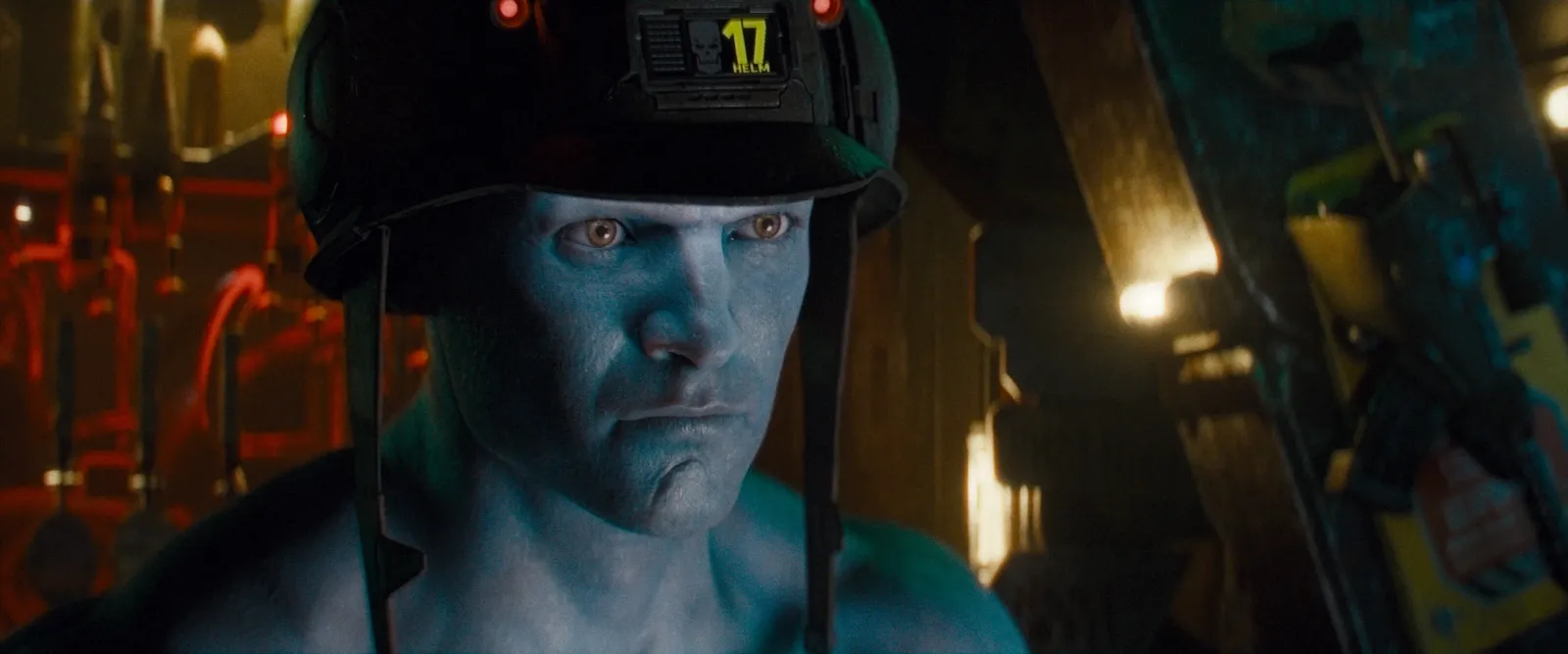
Duncan Jones says “Rogue Trooper” has no AI, then sells its indie-size miracle
The director-writer and producer break down how they landed major voice talent and kept the process clean.

Dua Lipa posts first photos of her custom Chanel wedding dress after Palermo celebrations
The Grammy winner and Callum Turner share debut wedding-dress images from a separate three-day Palermo event.

Marjane Satrapi dies at 56, Saudi and global arts move fast
The arts world’s biggest loss hits the same week Saudi culture accelerates talent-building with Royal College of Art support.