
Ebola vaccine from 2011 sits unused for 15 years, now gets Congo shot
A vaccine first developed in 2011 is finally being tested against the current Bundibugyo Ebola outbreak in Congo.
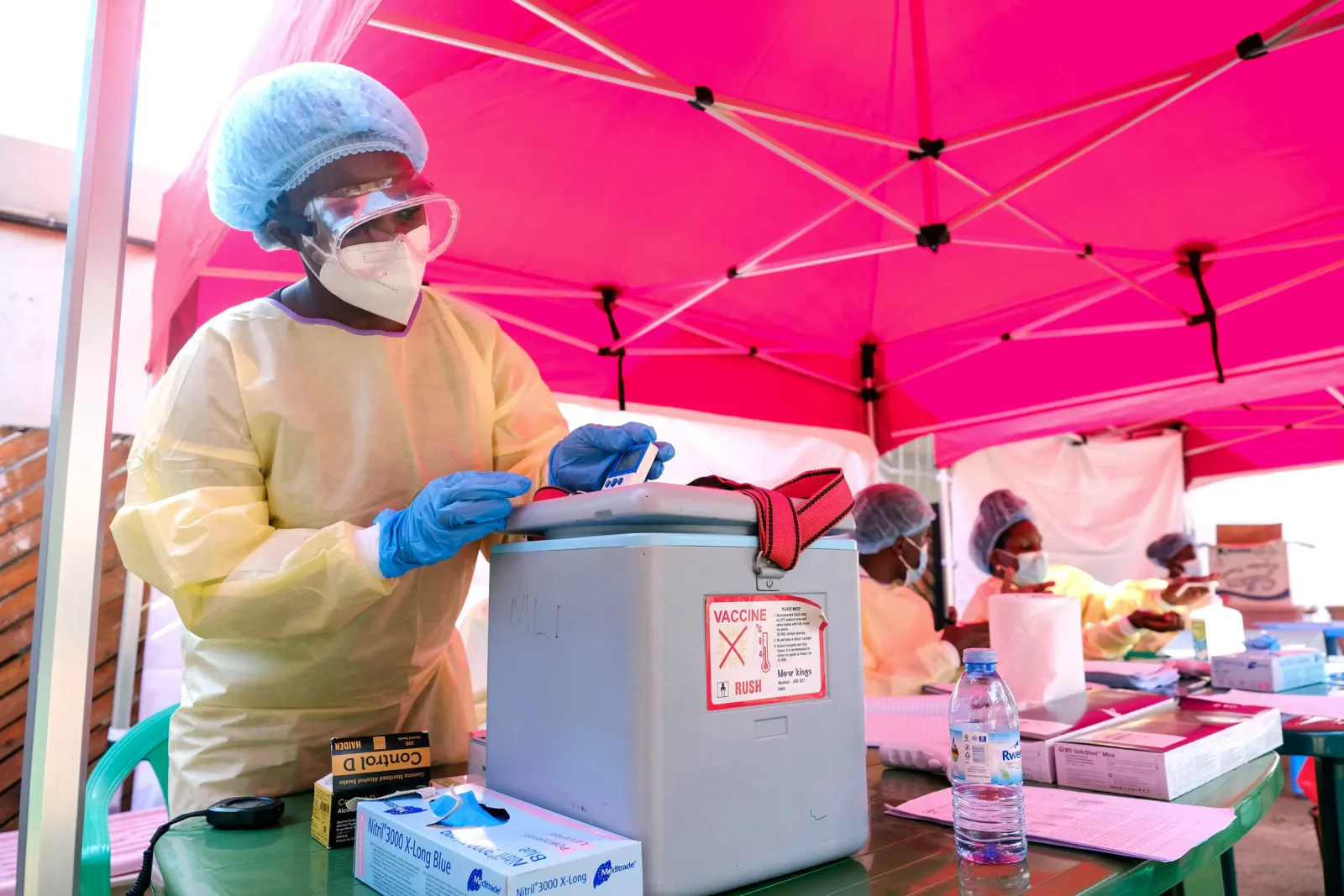
Researchers are racing to learn whether a vaccine developed in 2011 can help fight the current Bundibugyo Ebola outbreak in Congo. For decision-makers, the question is whether an old candidate can move fast enough to matter during an active outbreak.
The most promising Ebola vaccine for the current moment is not a brand-new breakthrough. It is a candidate developed in 2011 that has effectively been sitting on the shelf for about 15 years, and researchers are now racing to find out if it can help fight the Bundibugyo Ebola outbreak in Congo.
That headline is not just trivia for science people. It is a timing story with real operational stakes. The outbreak is happening now, in Congo, and the research community is trying to apply a prior development pipeline to a specific outbreak need: Bundibugyo Ebola. The central bet being tested is simple, and it must be answered quickly enough to be useful.
To understand why a 2011 vaccine can be central in 2026 (or wherever the calendar lands for this coverage), you have to think about how vaccine development actually works. Ebola vaccine efforts typically depend on a mix of scientific feasibility, trial data, regulatory readiness, and resources that can be mobilized during outbreaks. When the immediate threat changes, or when funding and attention shift, candidates can become “promising” without becoming “instantly deployable.” A vaccine can be technically workable, but not packaged, authorized, or studied in a way that makes it immediately actionable for the next specific outbreak you have on your hands.
What makes this situation so pressurized is the matchup between two timelines: the long runway of product development versus the short clock of outbreak response. In a fast-moving epidemic, delays are not neutral. They change how many people are exposed, how quickly transmission curves respond, and how much trust communities have in health systems. That means researchers are not just trying to answer “does it work someday.” They are trying to answer “does it work well enough, fast enough, for this outbreak now.” The decision-makers watching this are essentially asking whether the shelf life of medical candidates is measured in years of biology or years of bureaucracy, manufacturing readiness, and trial coverage.
There is also a regulatory and evidentiary angle that matters to executives and boards, even when no one is talking like a compliance officer. A vaccine developed in 2011 implies there were initial studies at some point in that period, and those early results created the basis for the candidate’s promise. But the current research push is about whether the prior work translates into protection against the specific target in the current outbreak setting, Bundibugyo Ebola in Congo. That difference matters because regulators and clinicians do not treat “related” conditions as the same problem. They want confidence that evidence applies to what is actually spreading.
The phrase “racing to see” in the WIRED coverage signals urgency, and it also signals a common pattern in public health research: candidates that look attractive in early phases may need additional data when the epidemiology, the viral context, or the deployment realities change. For a board or leadership team, the second-order implication is about what you fund and what you keep warm. Systems that only light up when crises match prior investments can end up with gaps. In contrast, candidates that are preserved, updated, and positioned for new outbreaks can become “next in line” when the world suddenly demands an answer.
There is a broader market and strategic context here too, even though the story is framed as research. When a 15-year-old candidate is suddenly relevant, it highlights how capital and attention can be mis-timed relative to risk. Ebola outbreaks are not steady; they flare and shift across geographies. That makes it hard to plan for vaccine demand like you would for seasonal influenza. The operational takeaway for decision-makers who sit near budgets, partnerships, or portfolio strategy is that “innovation” in public health is not only about inventing new. It is also about preserving optionality, maintaining readiness, and understanding how quickly an evidentiary package can be re-targeted when a specific outbreak emerges.
Finally, there is a peer lesson. Executives across biotech, health tech, and philanthropic health initiatives should recognize the pattern: when an outbreak moves quickly, the winners are the teams that have both credible candidates and the ability to test them in the right context without waiting years for a new pipeline to mature. The 2011 vaccine’s moment in Congo will not only answer a scientific question. It will also reflect, in real time, how well the ecosystem can convert past promise into present impact.
This story's Key Insights and Take-aways are locked.
Create a free account to unlock Executive Actions for one credit.
Register to UnlockAlways free for Executives Club members. Join the Club
More in Technology

Nvidia's $89B data center quarter: the 9 companies cashing in
The AI buildout is minting fortunes beyond GPUs, and memory, cloud, and cooling suppliers are riding the same wave.

Google quietly links your phone number to every Android account on your SIM
Adding a SIM now ties your phone number to all Google accounts - and future accounts inherit it. Here's the security and privacy stakes.

Hijacker AI 'Skynet mode' runs 100,000 attack steps against exposed models
Symantec caught a criminal AI agent that borrows other models, steals data, and mines crypto; the only relief is no confirmed victims yet.