

Egypt files a FIFA referee complaint as Morocco clash with France tightens scrutiny
The Pharaohs exit World Cup 2026 amid heartbreak and controversy, and their paperwork puts FIFA officials under a brighter spotlight.

Egypt has filed a FIFA referee complaint after its World Cup exit, with Morocco facing France as scrutiny intensifies. For decision-makers, the near-term risk is reputational, operational, and governance-focused, not just footballing.
Egypt’s World Cup 2026 run is over, but it is not ending quietly. The National reports that Egypt has filed a FIFA referee complaint after its exit, while Morocco faces France tonight, with officials and process now under the microscope. The story is not just about who won, it is about how the outcome will be explained, challenged, and potentially revisited through FIFA’s complaint and governance machinery.
This is why the complaint matters beyond football fan emotion. The source frames Egypt’s reaction as bemoaning “injustice” and accusing FIFA of favouritism after the tournament’s end, meaning the dispute is landing at the intersection of match decisions and institutional credibility. In a competition that depends on trust in officiating, even a single high-scrutiny incident can spill into broader questions about integrity, consistency, and whether tournament governance can keep up with the speed and stakes of modern international football.
To understand the pressure, look at what the broader World Cup narrative already contains. The National’s coverage highlights World Cup resignations, sackings and retirements, plus moments where VAR drama continues and “England’s integrity is now in question” after outcomes that drew attention. Even without adding new facts, the pattern is clear: when outcomes feel contested, executives and governing bodies face a credibility problem that moves faster than any disciplinary process. Complaints become both a legal-administrative event and a reputational event, and both can create downstream work for FIFA officials, tournament operations, and national federations.
Egypt’s situation also sits in a larger political and sporting landscape described by The National. The coverage notes a “historic journey” ending against Argentina amid heartbreak and controversy, and it flags a round of debate: “Are Egypt right to blame officials (and Fifa) for their World Cup exit?” That framing signals a governance tension: fans and stakeholders want accountability, but institutions have to show due process, clarity, and consistency. The complaint is the tangible step that turns a narrative into an administrative track, which is where timelines, documentation, and FIFA’s decision-making become the next battleground.
Meanwhile, the Morocco-France matchup looms as a pressure amplifier. The source includes multiple France-Morocco talking points, including concerns and preparations around the line-up for refereeing, and it also says France has played down concerns over all-Argentina referee line-up for Morocco clash. These details point to how officiating logistics become a strategic topic, not a footnote. If Egypt’s complaint adds to the officiating scrutiny, then every subsequent match and every procedural choice will be read through that lens, especially by teams that feel they are adjacent to contentious calls or disputed governance decisions.
There is also a second-order implication for boards and senior executives across football, not just in Egypt. The World Cup story in The National is full of governance shocks: it references “Fifa’s crisis grows,” co-hosts being eliminated, and the integrity question surfacing in the context of match outcomes. In such an environment, decisions by federations and FIFA often become risk-management decisions. Complaints are not only about correcting an error; they are also about protecting institutional credibility, managing stakeholder expectations, and preserving bargaining power in future negotiations and hearings.
Finally, the stakes are immediate and operational. Morocco coach insists “future will be bright” despite France defeat, and the source tracks player ratings and match arcs that keep teams, sponsors, and broadcasters engaged. But when officiating governance becomes part of the conversation, it affects how stakeholders plan their next steps. For Egypt, the next move is the complaint process itself. For FIFA, it is response quality under scrutiny. For other federations, it is a warning: if you expect contests to be decided purely on the pitch, the tournament’s governance layer can quickly become the real storyline, with lasting consequences for trust.
This story's Key Insights and Take-aways are locked.
Create a free account to unlock Executive Actions for one credit.
Register to UnlockAlways free for Executives Club members. Join the Club
More in Politics
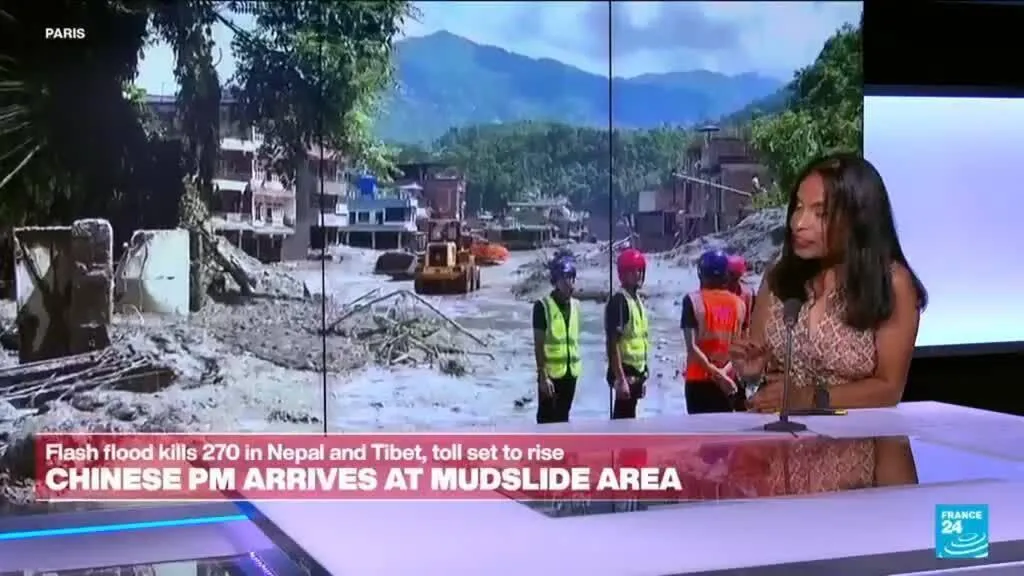
Glacial collapse, not rain, killed 180 in Nepal's Himalayan flood
The Himalaya's extreme geography hid the true cause of Nepal's catastrophic flood, a glacial collapse that turned a geological battleground into a mass-casualty zone.

Iran’s Esmail Baghaei says Oman talks start shipping via Hormuz, not US talks yet
Temporary route plans with Oman aim to restart commerce while Tehran says Washington dialogue is not on the table.

Standards watchdog opens probe into Reform UK deputy leader Richard Tice over interests
The parliamentary standards commissioner says it began an investigation on 28 July into a possible undeclared interest.