

Elon Musk pushes retail to buy $23B of SpaceX shares next week
The plan makes everyday investors central to SpaceX IPO momentum, not just background liquidity.
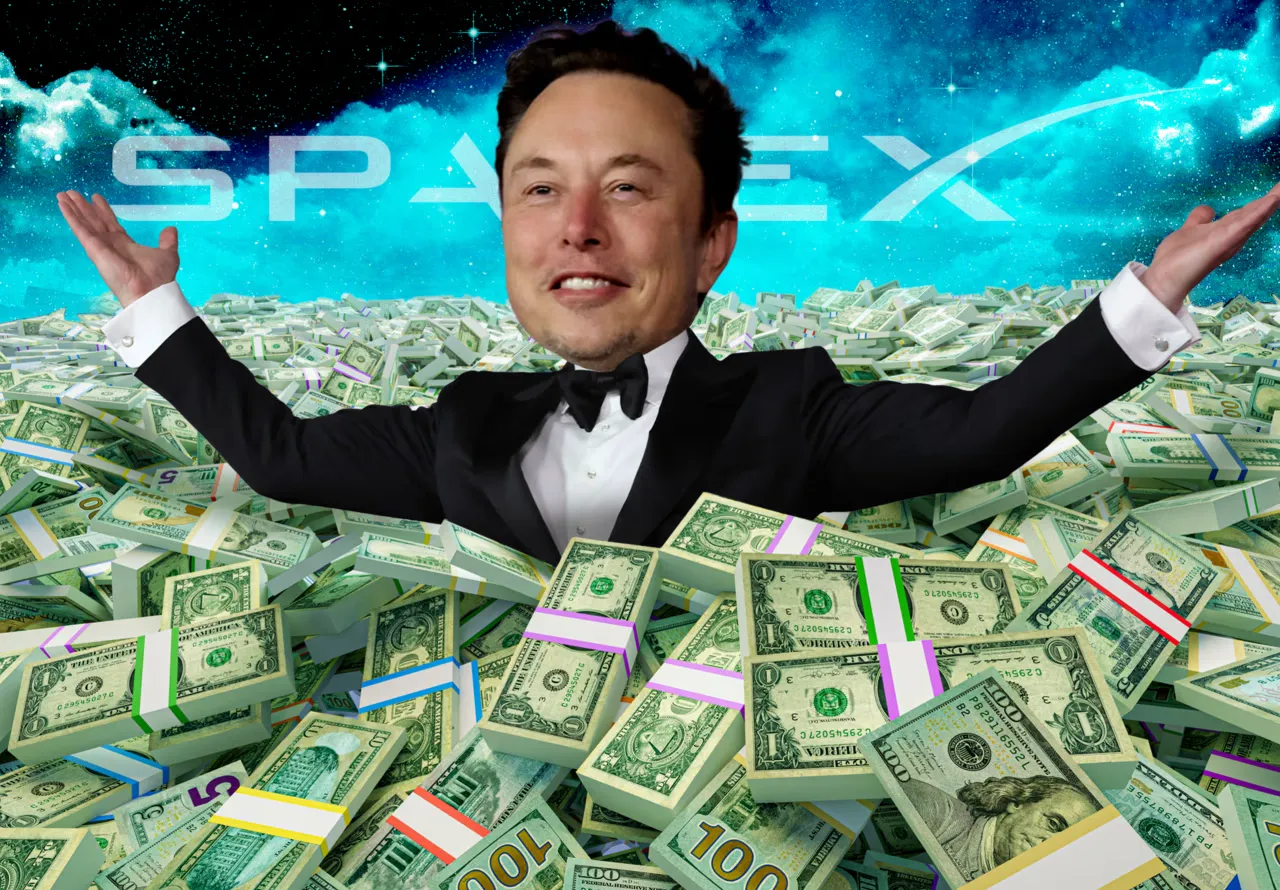
Elon Musk is asking retail investors to buy some $23 billion of SpaceX shares next week. For decision-makers watching capital-market optics, it signals the IPO playbook includes a public, retail-heavy legitimacy push.
Elon Musk wants retail investors to buy some $23 billion of SpaceX shares next week. The quote frame matters because it reads like a blunt instruction: “They’re going to have to own it.” In other words, Musk is not treating retail demand as a side dish for the SpaceX IPO. He is treating it as part of the dish.
That $23 billion number is the headline stake: it is big enough to move how the offering is perceived before it even pricing. When an issuer leans on everyday investors at this scale, the market reads it as a political choice as much as a financial one. The capital goal is one thing. The signaling goal is another. Musk is effectively telling the market that the IPO's success is tied to whether retail investors show up in meaningful size.
Why does this matter beyond the hype cycle? Because retail involvement changes the behavior of the ownership base. Retail investors typically buy with less institutional coordination, and they can react quickly to narratives, headlines, and perceived risk. That can amplify volatility around an offering, especially if the market interprets the retail push as either (a) broad-based confidence or (b) a need to broaden participation because of valuation or allocation constraints. The source does not spell out the “why” behind the number, but the effect is plain: when retail is asked to buy $23 billion worth of shares, the IPO story becomes a mass-market story, not only a broker-dealer spreadsheet exercise.
There is also a governance and incentive angle. SpaceX is known as a company with a strong founder gravitational pull. In deals like IPOs, boards and management typically navigate a delicate balance between control, messaging, and the practical realities of distribution. If Musk wants retail to “own it,” that implies he expects the offering narrative to resonate outside the usual investment circles. That can create internal pressure to align the marketing, the timing, and the public explanation of the business with what retail investors will understand and repeat.
From a market-structure perspective, next week is a near-term focal point. Offering windows compress attention. Analysts and institutional investors will be watching the allocation mechanics, but retail attention can still influence the opening weeks through sentiment and liquidity. In practice, retail interest can drive early trading volume and the speed at which supply gets absorbed. That is not the same thing as long-term ownership or fundamentals. But in the first days, liquidity and perceived demand can shape the market’s narrative about whether the IPO is “working.”
There is a regulatory and framing component too, even if the source is brief. An IPO that actively targets retail investors has to fit within the rules governing how information is disseminated and how investors are allowed to participate. While the source does not list specific regulations, it does highlight the intended buyer universe. That matters because regulators and exchanges care about fair access and clear disclosure, especially when founders and high-profile companies pull attention from mainstream finance toward a broader public audience.
For peers, the strategic implication is straightforward: the SpaceX IPO may be a test case for whether founders can convert consumer-scale interest into market-scale capital fast enough to matter. Executives at other companies that are planning liquidity events, raising growth capital, or considering public market timing will notice the template. If retail is positioned as a required ingredient, not a passive complement, then communication strategy becomes part of capital strategy.
In short, Musk is pushing a very specific lever: retail investors buying some $23 billion of SpaceX shares next week. That transforms the IPO from a purely institutional process into a public legitimacy campaign with measurable financial stakes. If it works, it suggests a playbook where mass ownership appetite can accelerate market momentum. If it struggles, it will put a spotlight on whether retail-led participation can sustain the early trading dynamic that new listings depend on.
This story's Key Insights and Take-aways are locked.
Create a free account to unlock Executive Actions for one credit.
Register to UnlockAlways free for Executives Club members. Join the Club
More in Business

Anthropic’s Levant Alpöge cracks the Jacobian conjecture after 87 years
A Harvard valedictorian used Claude to hit a 1939 breakthrough, but the missing “why” is the real problem.

Uber buys Delivery Hero for nearly $15B, vaulting to top food delivery outside China
The deal doubles Uber's dual-services footprint and pushes a ride-and-eats bundling play into 50 more markets.

Epic and Google drop settlement bid, forcing rival Android app stores by July 22
Google told the court it is ready to carry third-party app stores starting Wednesday, July 22.