
Emirates launches 2026 war-zone travel cover with medical payouts up to $25,000
A new insurance product with Travel Guard targets the war and conflict exclusions that stranded Gulf-bound travelers.
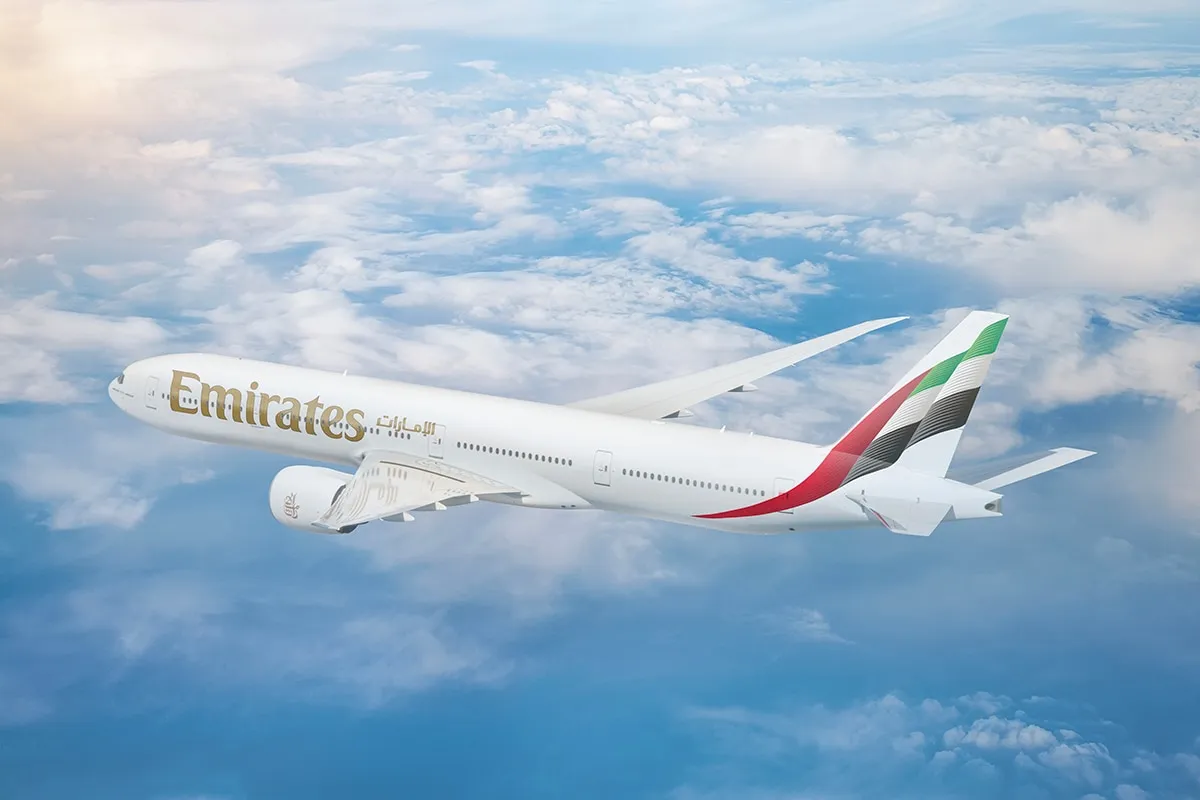
Emirates Airlines launched the 2026 Emirates Comprehensive Travel Cover initiative with Travel Guard, including medical expense coverage up to $25,000 and help for passengers stranded due to conflict. For decision-makers, it signals an insurance design shift that could pressure rivals and reshape expectations for “acts of war” coverage.
Emirates Airlines is rolling out a 2026 travel insurance package that directly tackles the exclusion most travelers never want to read about: war and conflict-related disruption. The policy includes medical expense coverage of up to $25,000, plus assistance if passengers are stranded as a consequence of conflict.
This matters because traditional travel insurance almost exclusively excludes war, armed conflict, civil unrest, missile attacks, and terrorism-linked disruptions. That exclusion becomes a real-world problem when geopolitics changes faster than insurers can underwrite. During the height of the Iran war, it was essentially impossible for people wanting to visit the UAE or the Gulf to get travel insurance, which pushed travelers toward other destinations. Emirates’ move, paired with Travel Guard, aims to reverse that trend by making conflict-aware coverage part of the travel purchase.
So what exactly is new? Arabian Business describes the initiative as world-first design. Emirates is the first airline in the world to produce an insurance product specifically designed around war-zone or conflict related travel disruption. Under the 2026 Emirates Comprehensive Travel Cover, services include help with airline-managed hotel stays, rebooking on alternative airlines, and medical expense coverage up to $25,000.
In practical terms, the policy is built for the moment when an itinerary breaks. Coverage is described as extending to assistance for passengers stranded due to conflict, with airline-coordinated support like hotel stays and rebooking, rather than leaving customers to navigate cancellations on their own. The underlying bet is that passengers do not just need “insurance paperwork,” they need operational problem-solving when disruptions happen.
The timing is also informed by a broader pattern the aviation industry learned the hard way. Arabian Business points back to the COVID-19 pandemic, when global aviation was brought to a shuddering halt. Emirates demonstrated what it calls “phenomenal leadership” by becoming the first airline to offer complimentary COVID-19 medical and quarantine cover for passengers in partnership with AIG. That approach triggered responses from competitors: Lufthansa Group launched a COVID-related travel insurance add-on with AIG, and Etihad Airways dealt with AXA to tackle quarantine costs.
That history matters because it shows how quickly airline and insurance partnerships can become competitive necessities, not optional add-ons. When customers discover their existing policy does not cover what insurers describe as “acts of war,” demand shifts. Arabian Business says insurers denied claims during the regional airspace closures, arguing the chaos stemmed from geopolitical conflict rather than operational disruption. It notes that regional airspaces closed almost overnight for hubs such as Abu Dhabi, Dubai, and Qatar, leaving thousands of flights cancelled and passengers stranded, only to find their insurance did not cover those conditions. Even after airspaces reopened, disruption continued, flights were cancelled, routes were changed, and governments upgraded travel warnings.
Emirates’ ability to offer this unique product is tied to its position in the market. Arabian Business states Emirates has the scale to support a distinctive insurance product as one of the world’s largest airlines. It also describes “substantial state-backing and vast liquidity” compared with many market rivals, plus experience negotiating with insurers. The article suggests insurers view Emirates as financially resilient and operationally sophisticated, which is a crucial ingredient when you are underwriting disruption that could be geopolitical in nature.
And the ripples are already moving. Arabian Business reports that the initiative has prompted at least one direct follow-on: Etihad Airways is now offering free medical care for up to 15 days for international passengers flying to or through Abu Dhabi. It also mentions other Gulf carriers such as Qatar Airways may introduce a similar program. Beyond Gulf competitors, aviation commentators cited in the article claim Emirates’ decision could pave the way for “hybrid airline insurance products” and dynamic geopolitical risk coverage.
Executives should pay attention to this as more than a customer-service headline. The underlying shift is toward designing insurance alongside the travel product, not around it. Emirates is effectively packaging a response to a specific failure mode in standard insurance: exclusions that leave travelers exposed exactly when uncertainty spikes. If that packaging becomes a new benchmark, boards and CFOs at other airlines will face a choice. They can treat conflict-aware coverage as a niche experiment, or they can assume customers will start comparing offers on their ability to absorb geopolitical disruption, not just medical incidents. In a market where demand can stay strong while coverage gaps cause stranded travelers to defect to safer routes, the insurance design becomes part of the business model.
This story's Key Insights and Take-aways are locked.
Create a free account to unlock Executive Actions for one credit.
Register to UnlockAlways free for Executives Club members. Join the Club
More in Business

Anthropic’s Levant Alpöge cracks the Jacobian conjecture after 87 years
A Harvard valedictorian used Claude to hit a 1939 breakthrough, but the missing “why” is the real problem.

Uber buys Delivery Hero for nearly $15B, vaulting to top food delivery outside China
The deal doubles Uber's dual-services footprint and pushes a ride-and-eats bundling play into 50 more markets.

Epic and Google drop settlement bid, forcing rival Android app stores by July 22
Google told the court it is ready to carry third-party app stores starting Wednesday, July 22.