
EU maps a tech exit strategy from American dependence
The 27-nation bloc wants more data centers, semiconductors and cloud power so governments and companies have fewer single-country chokepoints.
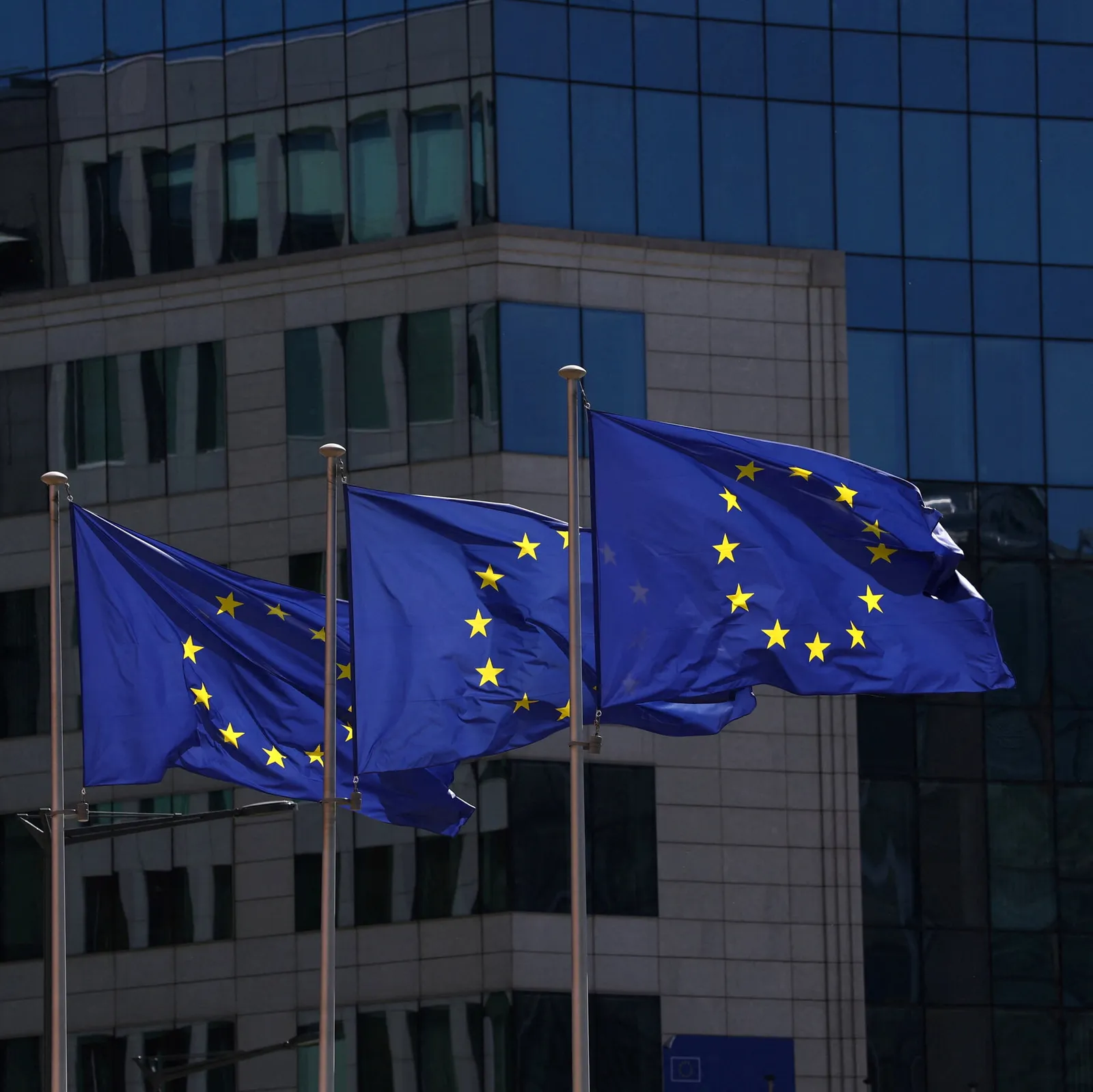
The 27-nation European Union outlined how it hopes to expand the region’s data centers, semiconductors and cloud computing capabilities. For executives and boards, that signals a longer-term push to shift supply, infrastructure and procurement decisions away from a heavy reliance on American tech.
The European Union has put a clearer shape around something it has been talking about for years: reducing its dependence on American tech. In the outline it released, the 27-nation bloc said it wants to expand three pillars of digital infrastructure at once, data centers, semiconductors and cloud computing capabilities. That is not a minor policy tweak. It is the EU sketching a strategy to build more of the digital stack inside Europe, rather than renting so much of it from abroad.
For executives, that matters because the stack is where modern business lives. Data centers power storage and compute. Semiconductors sit inside nearly every device and server. Cloud services glue the whole thing together. If Europe wants more of those capabilities at home, the policy environment around procurement, investment and industrial planning could gradually shift. The source is sparse on the details, but the direction is clear: the bloc is trying to widen its own capacity in areas that have become central to both commerce and geopolitics.
That makes this more than a tech story. It is a sovereignty story with budget consequences. Governments do not usually outline plans to expand data centers, semiconductors and cloud computing unless they think the current setup leaves them exposed. In plain English, Europe is signaling that it does not want its digital future to depend too heavily on another country’s firms, infrastructure or supply chains. That instinct has been building across advanced economies, especially as chips became a strategic asset and cloud infrastructure turned into core economic plumbing. The EU’s move fits that broader pattern, but it carries special weight because it comes from a 27-country market trying to act in concert.
The practical question is how that ambition gets translated into real capacity. Data centers are capital-intensive, energy-hungry and slow to build. Semiconductors require deep industrial ecosystems, specialized equipment and long planning horizons. Cloud computing looks more software-like from the outside, but it still depends on physical infrastructure, network access and trust from customers who may be wary of concentrating too much data in too few hands. By naming all three together, the EU is acknowledging that digital independence is not one purchase or one law. It is an ecosystem problem. If one layer stays weak, the others still lean on outside providers.
For the companies that already dominate these markets, the announcement is a reminder that Europe wants more leverage. That can mean opportunity and friction at the same time. More regional investment could create new demand for equipment, construction, chips and services. But it can also encourage buyers, regulators and policymakers to favor providers that can offer more local capacity or more European control. For American tech firms, the message is not that Europe is closing its doors. It is that the bloc wants a stronger bargaining position when it comes to the infrastructure underneath digital life.
The backdrop here is the bigger debate over resilience. In recent years, leaders in business and government have seen how fragile global supply chains can be when a key node gets disrupted. Chips are the obvious example, but cloud concentration has its own risks. If a region depends too heavily on a small number of foreign platforms, then outages, pricing changes, regulatory conflicts or geopolitical stress can ripple across entire industries. The EU’s outline is an attempt to reduce that exposure over time. It is also an implicit recognition that digital power is no longer just about who builds the best consumer app. It is about who owns the pipes, the processors and the warehouses full of servers.
What makes this especially important for executives is the second-order effect. Once a bloc like the EU starts framing dependence as a strategic liability, boards have to think beyond immediate cost and look at resilience, compliance and optionality. A sourcing decision that looks efficient today can look brittle tomorrow if the policy environment changes. A cloud contract that saves money now may carry more concentration risk than a company wants once regulators, customers or governments start asking harder questions. Europe’s plan does not solve those tradeoffs overnight, but it changes the conversation around them. For founders, CFOs and boards with exposure to Europe, the signal is simple: the region wants more control over its digital backbone, and that will shape where money goes, who gets favored and how dependence gets measured.
This story's Key Insights and Take-aways are locked.
Create a free account to unlock Executive Actions for one credit.
Register to UnlockAlways free for Executives Club members. Join the Club
More in Technology

OpenAI says 10,000 agents cracked a 90-year math problem in 88 hours
The company's claim is audacious, but one mathematician is pushing back. Here's what it means for AI-driven discovery.
Meta still serves child sexual abuse ads on Instagram in India - BBC report
A new report following the BBC Eye investigation says the ads are still there - what it signals for every platform with a self-serve ad engine.

White House yanks 'Build the Wall' game after Tetris Company copyright warning
The administration's arcade game vanished in hours - and the takedown playbook every brand can learn from.