
Europe's Drivers Want Cheap Chinese Cars. Politicians Are Slamming the Brakes.
Consumer demand for low-cost Chinese vehicles is colliding with regulatory resistance across the continent, and the outcome will reshape Europe's auto market.
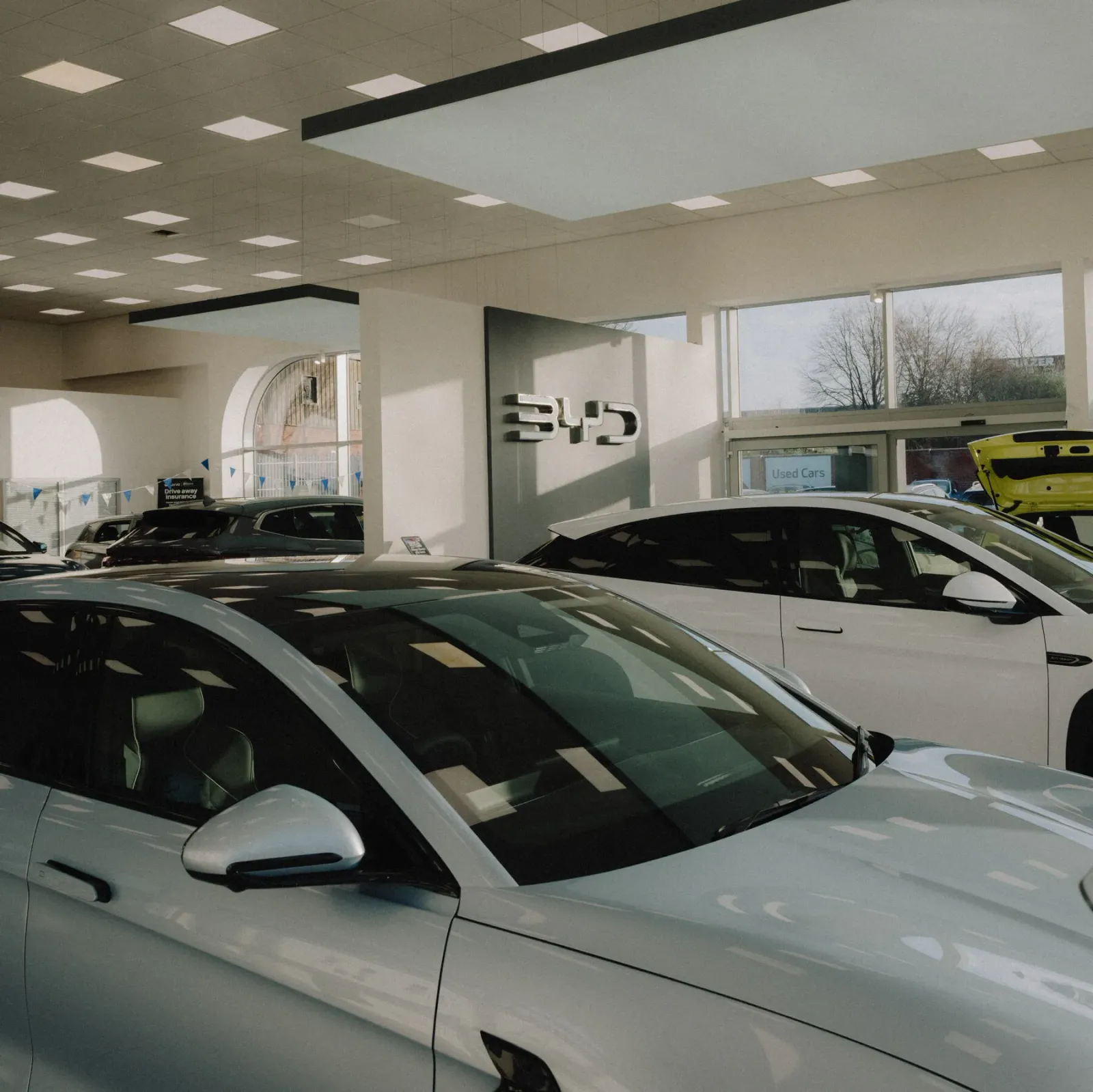
European consumers are increasingly choosing low-cost Chinese vehicles, while policymakers across the continent are moving to slow that demand. The clash between market preference and political pressure is creating uncertainty for automakers, dealers, and investors.
Europe's drivers want cheap Chinese cars. Its politicians are trying to stop them. That is the core tension at the heart of the continent's auto market, where consumer enthusiasm for low-cost Chinese vehicles is running headlong into a wall of regulatory caution. The New York Times describes it as a love-hate relationship, and the description fits: buyers are increasingly drawn to the price and value of Chinese models, while policymakers are actively seeking to slow their adoption.
The gap between what consumers want and what governments allow is not a minor policy squabble. It is a structural conflict that touches trade, industrial strategy, and the future of one of Europe's most important industries. For every driver who sees a Chinese car as a smart purchase, there is a lawmaker who sees a threat to domestic manufacturing, employment, and technological independence. That collision is already shaping decisions across the value chain, from factory floor to showroom floor.
The love-hate dynamic is easy to understand. Chinese automakers have spent years building cost-efficient production lines and improving quality, and they are now offering vehicles at price points that European consumers find hard to ignore. The source notes that consumers across the continent increasingly want to buy these low-cost vehicles. That demand is not confined to one country or one demographic; it is broad and growing, driven by the same practical calculus that has always governed car buying: get the most car for the least money.
Policymakers, however, are looking at a different set of numbers. They see the potential loss of domestic market share, the risk of becoming dependent on a strategic rival, and the political fallout from factory closures and job losses. The source is clear that policymakers are seeking to slow the influx, but the exact methods are varied and evolving. Some are pushing for trade barriers, others are tightening subsidy rules, and still others are calling for domestic investment to counter the Chinese advance. The common thread is a determination to buy time for local industry to adapt.
For executives, this creates a genuinely difficult operating environment. Automakers that choose to partner with Chinese companies risk political backlash, while those that compete head-on face relentless price pressure. Dealers must decide which models to stock, knowing that policy shifts can change the economics overnight. Investors are left to price in a future that could swing between open markets and protectionism. The only certainty is that the status quo is not stable.
The stakes extend beyond the auto sector. Europe is one of the world's largest car markets, and the outcome of this clash will send signals to every industry that depends on cross-border trade and consumer preference. If Chinese cars are allowed to compete freely, European manufacturers will be forced to innovate faster and cut costs more aggressively. If they are blocked, consumers will pay more and choices will narrow. Either path carries consequences, and the political debate is only beginning to catch up with the reality on the ground.
For now, the message for decision-makers is clear: the European car market is no longer a one-way street. Consumer preference is a powerful force, and it is colliding with political will. Companies that ignore either side of that equation do so at their own risk. The love-hate relationship is not going away, and the next few years will determine whether it ends in a breakup, a reconciliation, or a messy open marriage. The smartest players are already preparing for all three.
This story's Key Insights and Take-aways are locked.
Create a free account to unlock Executive Actions for one credit.
Register to UnlockAlways free for Executives Club members. Join the Club
More in Business

Elon Musk unveils a flying car, and SpaceX helped build it
The Tesla CEO's showcase at a SpaceX facility signals a future where road and rocket engineering converge.

Apple's $2,000 iPhone Duo opens preorders, taking on Samsung and Google
Apple's first foldable hits the market at a premium price, reshaping a category Samsung and Google have led.

Pope Leo XIV, first American pope, diagnosed with lung cancer
The 71-year-old Chicago-born pontiff underwent successful surgery on his right lung, and his diagnosis raises new questions about his AI-focused papacy and the Vatican's future.