

European SpaceX challenger banks $450M in largest-ever Series C
A record $450M Series C puts real capital behind reusable spacecraft and creates a second credible standard for orbit.
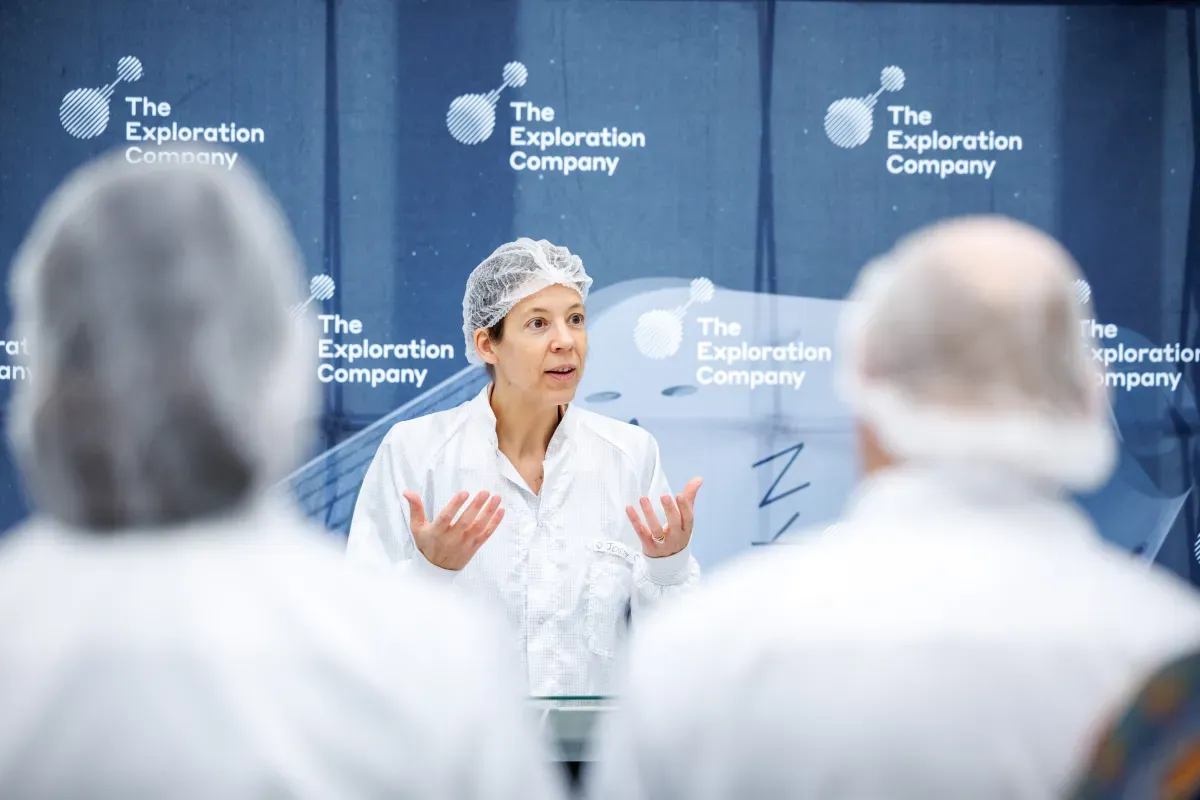
The Exploration Company (TEC) has raised $450 million in a Series C round, which it describes as the largest-ever by a European space company, to build reusable spacecraft. For operators and investors, the record shows private capital can now fund the kind of deep-hardware space projects that previously relied on government balance sheets.
The Exploration Company (TEC) just raised $450 million in a Series C round, and it describes the outcome as the largest-ever Series C by a European space company. The capital is earmarked to build reusable spacecraft, the same design logic that made SpaceX the lower-cost benchmark for repeated trips to orbit. The two facts together are the story: a European firm now has the financial weight to enter the reusable market as a serious counterpart, not just a plan on a slide.
That record is an engineering capacity, not only a brand moment. Reusable spacecraft demand design, manufacturing, thermal protection, guidance, ground infrastructure, and repeated test flights to prove a vehicle can be recovered and flown again. Those cycles are long and capital-intensive, and they include a phase where no revenue exists yet. $450 million covers that full runway, allowing TEC to make multiple hard attempts without running out of cash before the first missions become and a repeatable business. For a company building reusable hardware, this removes the usual failure point: not complexity, but time.
The funding also changes what it means to be a private space business in Europe. Historically, Europe's strongest space capabilities have been delivered through government and intergovernmental programs, public procurement, and institutional contracts. That model built decades of capability, but it did not usually create the same kind of scale capital the commercial software wealth. $450 million for one vehicle company sends a different message: the region’s private capital is now willing to underwrite big physical assets in orbit, not just satellites. A European company can still run its own technical programs, test privately, and hold a private equity appetite large enough to meet the industry’s most expensive challenges.
For anyone purchasing orbital services, the second-order implications are straightforward. A well-funded reusable spacecraft program creates a new price anchor for the whole market. As long as vehicles are treated as disposable, every mission carries the full cost of a new vehicle. Reusable architecture changes the economicsafter the first successful flight, because fixed costs of the vehicle spread across many missions. If TEC reaches respect, every current price list in the market will be forced to reconsider how much legacy works. That is the real challenge from this round.
The timing also matters for operators. The small satellite market, the national security use cases, also the larger departure to in-space industry all share a constraint: too few launch vehicles and too little flight capacity. A $450 million balance sheet is enough for early manufacturing, test, and first missions, and it is keeping a new supply chain intact. For procurement teams, this is not simply a good investment story; there may be a real option to diversify launch and transport, at least as a backup or a different vendor. Even if the first flights happen later than promised, the presence of an alternative changes the bargaining position at the board.
Hardware companies learn by flying, and this round finances the willingness to fly. With $450 million, TEC can build enough vehicles to run a credible test iteration program. Each test produces more engineering data, which lowers the cost and risk of the next vehicle, which in turn reduces the price of a reusable operation. That flywheel is in today’s space. It is exactly the same mechanism that made early reusable vehicles look expensive until they became the industry’s benchmark. Europe has not had this kind of private iterative engine before; this round is a direct attempt to become the next one.
The broader market impact is also from the capital itself. For founders, boards, and aspiring deep-tech companies, the headline is about what a European space company may ask for now., Phematically, the point is not just that $450 million is a huge number. It is that a hardware company achieved it at the Series C stage, in a region the market tended to treat as public cap. It suggests that the thermsof a company for, programmable physical capital can look much larger than the old “enterprise” range. Other programs betting on deep hardware, including those outside space, can use TEC’s round as evidence that the private market now has tolerance for a high risk vehicle and the foundational infrastructure.
Even the answer to the obvious question is in the record. The $450 million will not reduce SpaceX, but it shows a new scale of competition for a proven method. For companies already operating in this sector, the specific insight is to plan against a future in which a second European supplier has stable capital and a real answer to reusable. The cost of inattention may be a lost tender, a reserved model, or, in the best case, someone else setting the price for the next decade.
This story's Key Insights and Take-aways are locked.
Create a free account to unlock Executive Actions for one credit.
Register to UnlockAlways free for Executives Club members. Join the Club
More in Business
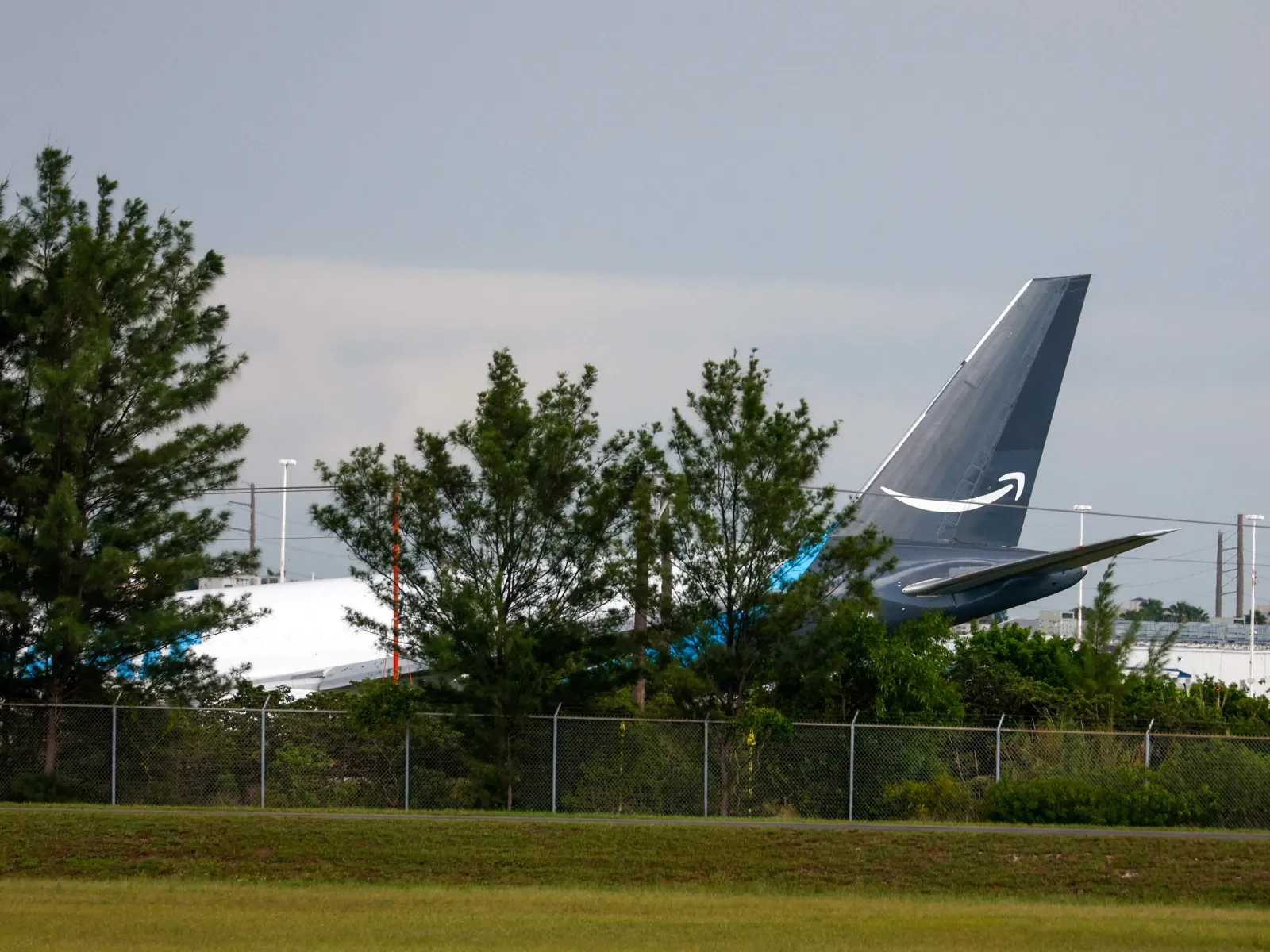
Amazon Prime Air 767 overshoots Miami runway, killing at least 5
The Boeing 767 freighter from San Juan struck vehicles and erupted in flames, prompting a ground stop and a fresh NTSB investigation into Amazon's air cargo network.

Death sentence for TV presenter Sarah Khalifa: Egypt's drug case hits media
The sentencing of Sarah Khalifa and 11 others underscores the severity of Egypt's anti-drug laws and the exposure of public figures to capital punishment.
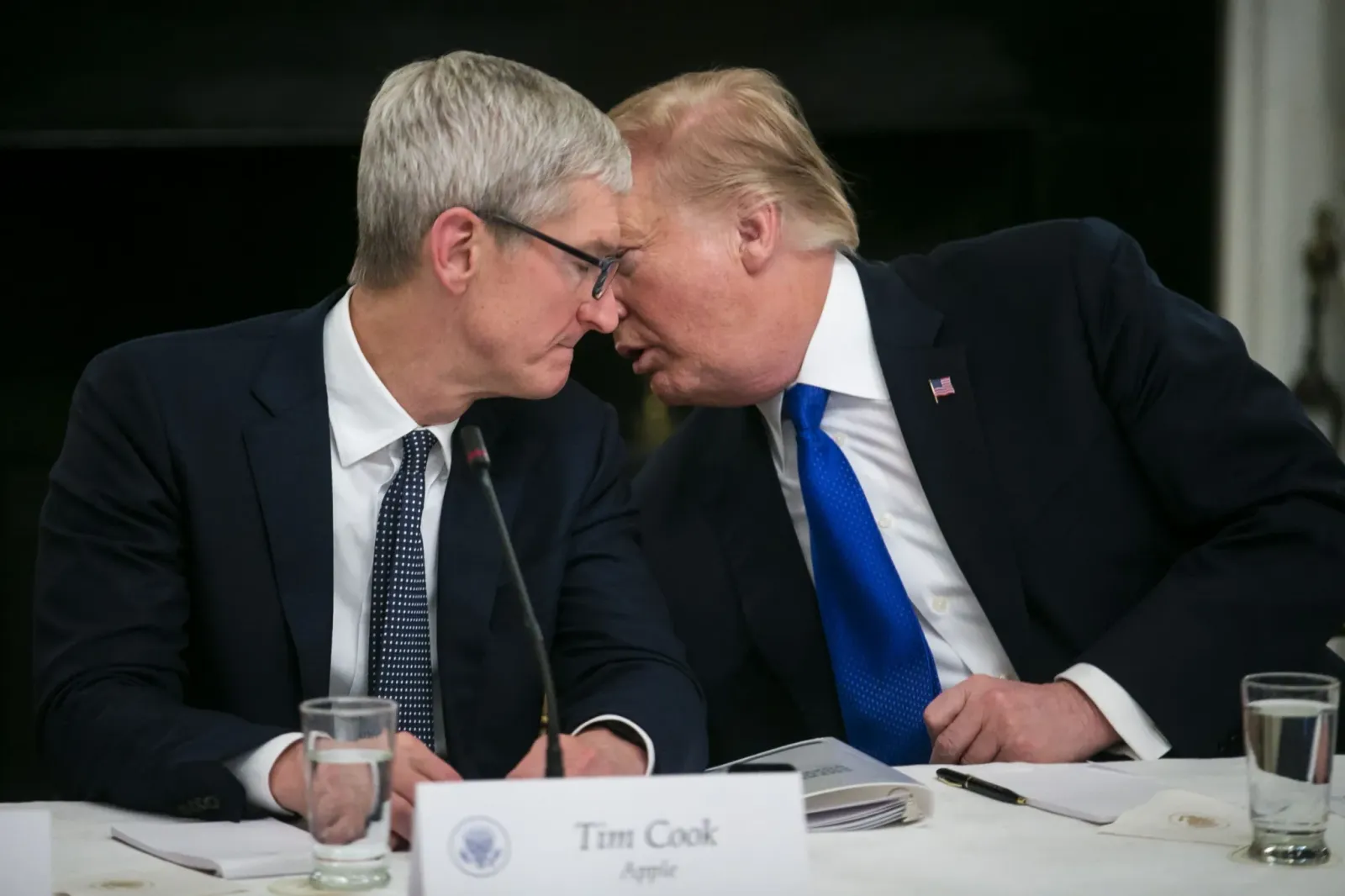
Tim Cook steps down as Apple CEO, stays on as chair with $45M equity
The 'Trump whisperer' keeps his White House and Beijing access as Apple navigates tariffs and a $4.6 trillion market cap.