

FBI Arrests OpenAI Employee Accused of Planting Stealth Bug in Office
The arrest exposes a sophisticated insider threat at a top AI lab, where unreleased models and proprietary research are prime targets for espionage.

The FBI arrested an OpenAI employee accused of planting a device built to evade detection in the office, with plans to secretly record meetings in sensitive spaces. The incident underscores the growing risk of insider threats at AI companies, where intellectual property is the ultimate prize.
The FBI has arrested an OpenAI employee accused of planting a device built to evade detection in the office, with plans to secretly record meetings in other sensitive spaces, OpenAI said. The arrest, reported by The New York Times, is a stark reminder that even the most advanced AI companies are not immune to insider threats. For a company at the center of the AI boom, the breach of trust is as significant as the security lapse itself.
The device was designed to evade detection, according to OpenAI, suggesting a sophisticated attempt at corporate espionage rather than a casual breach. The employee allegedly planned to record meetings in 'other sensitive spaces,' a phrase that hints at the value of what's discussed behind closed doors at a company racing to build artificial general intelligence. OpenAI's research on large language models, alignment, and other cutting-edge areas is among the most sought-after intellectual property in the world, making it a prime target for competitors, nation-states, and individuals seeking financial gain.
For context, insider threats are a growing concern across industries, but they carry particular weight in AI. Unlike external hackers, insiders have legitimate access to systems, data, and physical spaces. They can bypass firewalls, encryption, and other digital defenses simply by being in the right place at the right time. According to security research, insider threats are responsible for a significant percentage of data breaches, and the cost of a single incident can run into the millions. For AI companies, the stakes are even higher: a leaked model or training dataset could undermine years of research and give rivals a shortcut to market.
The sophistication of the device - built to evade detection - suggests the employee went to great lengths to avoid discovery. That raises questions about how such a device could be planted without being caught, and whether OpenAI's physical security protocols are adequate. Many companies rely on badge access, cameras, and clean-desk policies, but a determined insider can often find ways around them. In this case, the device was reportedly designed to be hidden, which means standard sweeps may not have been enough. This incident may prompt OpenAI and other AI labs to invest in more advanced physical security measures, such as RF detection, signal jamming, and regular inspections of sensitive areas.
The FBI's involvement signals that this is being treated as a serious federal matter, potentially involving charges related to economic espionage or theft of trade secrets. Federal laws such as the Economic Espionage Act and the Defend Trade Secrets Act provide severe penalties for such crimes, including prison time and fines. While the specific charges are not yet public, the case could set a precedent for how the U.S. government prosecutes insider threats in the AI sector, which has become a national security priority. The Department of Justice has increasingly focused on protecting American technological advantages, particularly in AI and other emerging technologies. The incident could also affect OpenAI's relationships with partners and regulators, who may demand stronger security assurances.
For executives and boards, the incident is a wake-up call. Insider threats are notoriously difficult to detect because they come from people with legitimate access. The typical response is to layer security: background checks, access controls, monitoring, and a culture of reporting suspicious behavior. But as this case shows, even those layers can be bypassed by someone determined enough. Companies need to think beyond traditional cybersecurity and consider physical security, employee monitoring, and behavioral analytics. For example, implementing zero-trust architectures that limit access to sensitive information on a need-to-know basis can reduce the blast radius of a single compromised insider. They also need to create an environment where employees feel comfortable reporting concerns without fear of retaliation.
The arrest also highlights the human element of security. Employees at AI companies are often driven by mission and excitement, but they can also be vulnerable to financial pressure, coercion, or ideological motives. In a competitive job market, where top AI talent is highly sought after, companies must balance trust with vigilance. This incident may lead to more stringent background checks and ongoing monitoring, but it could also create a culture of suspicion that undermines collaboration and innovation. Leaders must navigate this tension carefully, ensuring that security measures do not stifle the very creativity that drives their success.
As the case unfolds, the broader lesson for decision-makers is clear: in the race to build the future, the biggest threat may come from within. Review your physical security, audit your sensitive spaces, and make sure your insider threat program is as sophisticated as the people you're trying to protect. The cost of complacency is too high, and the stakes have never been greater. For OpenAI, this is a test of its resilience; for the rest of the industry, it is a cautionary tale.
This story's Key Insights and Take-aways are locked.
Create a free account to unlock Executive Actions for one credit.
Register to UnlockAlways free for Executives Club members. Join the Club
More in Technology

Cop fired after sharing Flock login with ICE husband: 983 searches
A Savannah officer's shared credential let an ICE agent run hundreds of plate searches on Hispanic drivers, exposing a surveillance backdoor.

Elizabeth Holmes doc 'You Can See Everything' posts second-biggest doc debut ever
The true-crime draw shows fraud narratives still sell - a signal for media execs and a caution for founders.
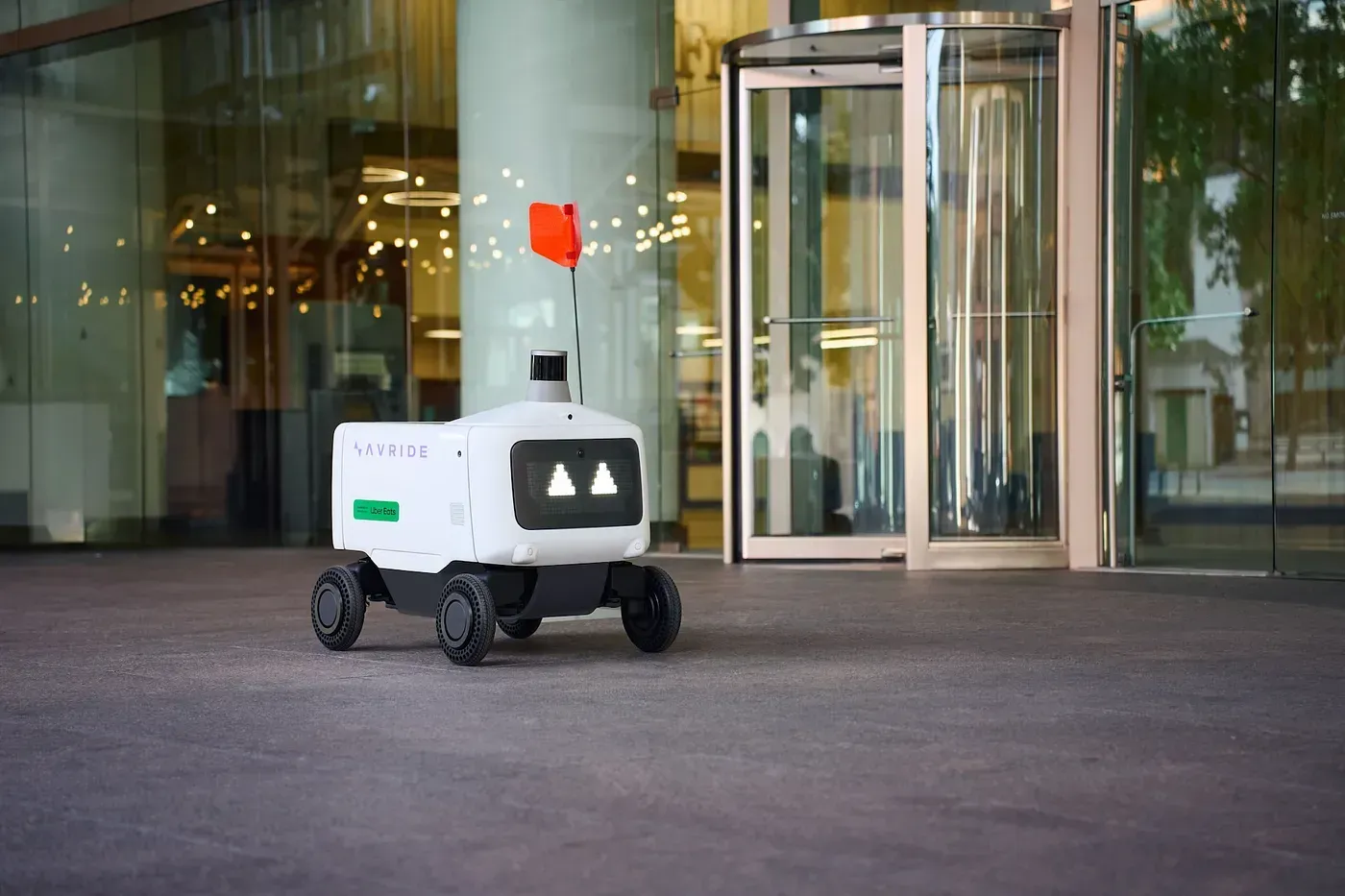
She blocked an Uber delivery robot to save jobs. Police arrested her.
Carolyn Marvin's disorderly conduct arrest turns a sidewalk standoff into a test case for how cities police the automation-versus-workforce debate.