

FDA expands Cyclospora-linked iceberg lettuce outbreak to 9 states and 1,947 sick
Taylor Farms de Mexico pulled iceberg lettuce from central Mexico, after FDA linked cases to Taco Bell.
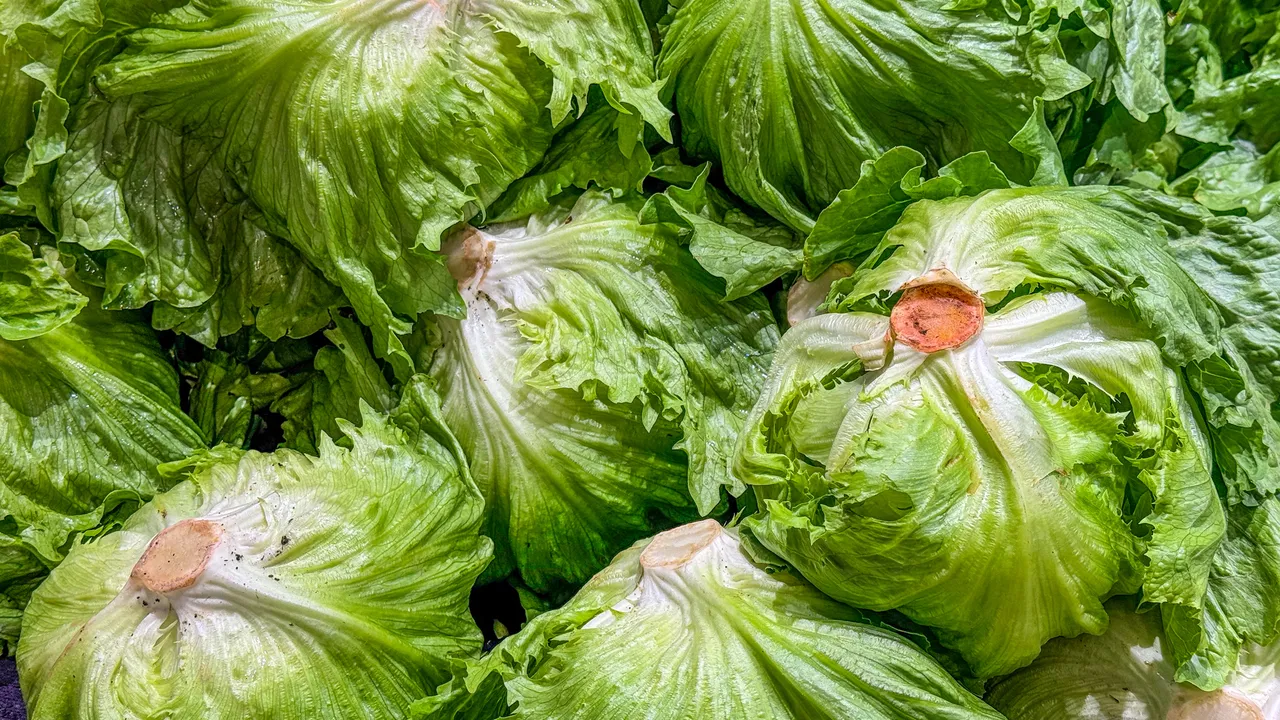
The FDA says a Cyclospora cayetanensis outbreak tied to iceberg lettuce now spans nine states, with 1,947 people infected and 98 hospitalizations. FDA also notes Taco Bell stopped using lettuce from Taylor Farms de Mexico as of July 17, 2026, but more cases could still surface.
The FDA has expanded its Cyclospora cayetanensis outbreak investigation tied to iceberg lettuce to nine U.S. states, bringing the reported total to 1,947 sick people, including 98 hospitalizations. The agency also linked the exposures to people who reported eating Taco Bell before they got sick, making this outbreak both a public health story and a high-stakes brand and supply chain stress test.
Here is the hard part for decision-makers: the case count can continue rising even after countermeasures start. FDA expects confirmed cases to increase despite the recall, because it can take as long as six weeks for CDC and state officials to determine whether a sick person is part of this outbreak. In other words, the event does not end when the first alert goes out. It stretches, and the uncertainty stretches with it.
This is not the first Cyclospora-related cluster in the U.S. Federal officials have said this outbreak is one of several being caused by Cyclospora cayetanensis, a parasite that can enter the body when someone consumes food or water contaminated with the organism. The federal government has not officially identified a source of contamination in the other Cyclospora outbreaks yet, although some state officials have pointed to potential culprits like cilantro and parsley. That context matters because it shows why outbreaks like this are difficult to contain quickly: the “same bug, different source” problem is real, and traceability gets complicated fast.
For this nine-state outbreak, FDA names the affected states as Illinois, Indiana, Kansas, Kentucky, Michigan, Ohio, Oklahoma, Pennsylvania, and West Virginia. FDA reports the 1,947 infected people across those states, with the company and food exposure path emerging from earlier data. Federal data previously pointed to shredded lettuce served at Taco Bell as a common source of exposure, and from there, officials identified the supplier as Taylor Farms de Mexico.
FDA’s update also points to an important reversal in the operational timeline: “Taco Bell has indicated they are no longer using lettuce from Taylor Farms de Mexico as of July 17, 2026,” the FDA noted. That timing is a clue to how retailers manage risk once a supplier connection is made. Even when the contamination source is tied to a specific region, brands still have to decide how broadly to pause, what to stop buying, and how fast to communicate changes across stores, distribution centers, and the public.
The supplier response has been more decisive on the product itself. The infections have been linked to lettuce sourced from central Mexico, prompting Taylor Farms to remove all of its iceberg lettuce from that region from the U.S. market, and the company has also issued a recall. A complete list of recalled products is available on the FDA’s website, and the recall affects products distributed in the nine states listed above, plus additional states, which are also listed by FDA. FDA says consumers, restaurants, and retailers that purchased or received recalled lettuce should discard it immediately and not consume it. This is the key operational instruction: unlike many food safety problems that are handled by “cook longer” or “wash better,” the directive here is discard, period.
For executives, the “second-order” reality is that the absence of deaths does not equal low impact. FDA reports 98 hospitalizations and no deaths, which helps quantify severity, but the broader risk includes reputational damage, legal exposure, customer trust, and the cost of restarting supply. And because the incubation and investigation timelines can stretch to weeks, even a clean recall can still be followed by new case confirmations. That means leadership needs a plan for volatility: operational continuity, communications discipline, and a clear understanding of what regulators will say next.
There is also a regulatory and supply chain lesson hiding in plain sight. The FDA’s wording underscores a coordinated process between federal and state partners, with ongoing investigation while ensuring implicated products are removed from the market. That matters for organizations managing compliance programs, vendor contracts, and recall readiness, because the enforcement posture is not just about today’s information. It is also about how quickly information is produced, verified, and acted upon across jurisdictions.
So the strategic stake is bigger than one outbreak. Multiple U.S. Cyclospora clusters exist, but this one now has a named supplier relationship, a retailer connection through reported Taco Bell consumption, and a geographically specific sourcing issue tied to central Mexico. In board terms, this is what supply chain risk looks like when it becomes a regulatory timeline: a trigger, a recall, a brand cutover date, and a lingering window where confirmed cases can still rise. For leaders in food, hospitality, and consumer packaged goods, that is the playbook you hope you never have to run, until the day you do.
This story's Key Insights and Take-aways are locked.
Create a free account to unlock Executive Actions for one credit.
Register to UnlockAlways free for Executives Club members. Join the Club
More in Business

Anthropic’s Levant Alpöge cracks the Jacobian conjecture after 87 years
A Harvard valedictorian used Claude to hit a 1939 breakthrough, but the missing “why” is the real problem.

Uber buys Delivery Hero for nearly $15B, vaulting to top food delivery outside China
The deal doubles Uber's dual-services footprint and pushes a ride-and-eats bundling play into 50 more markets.

Epic and Google drop settlement bid, forcing rival Android app stores by July 22
Google told the court it is ready to carry third-party app stores starting Wednesday, July 22.