
FIFA’s $15B World Cup payday confirms commercialization is now the real champion
Expanded to 48 teams, the 2026 tournament shattered audience records and helped FIFA project $15B for 2023-2026.
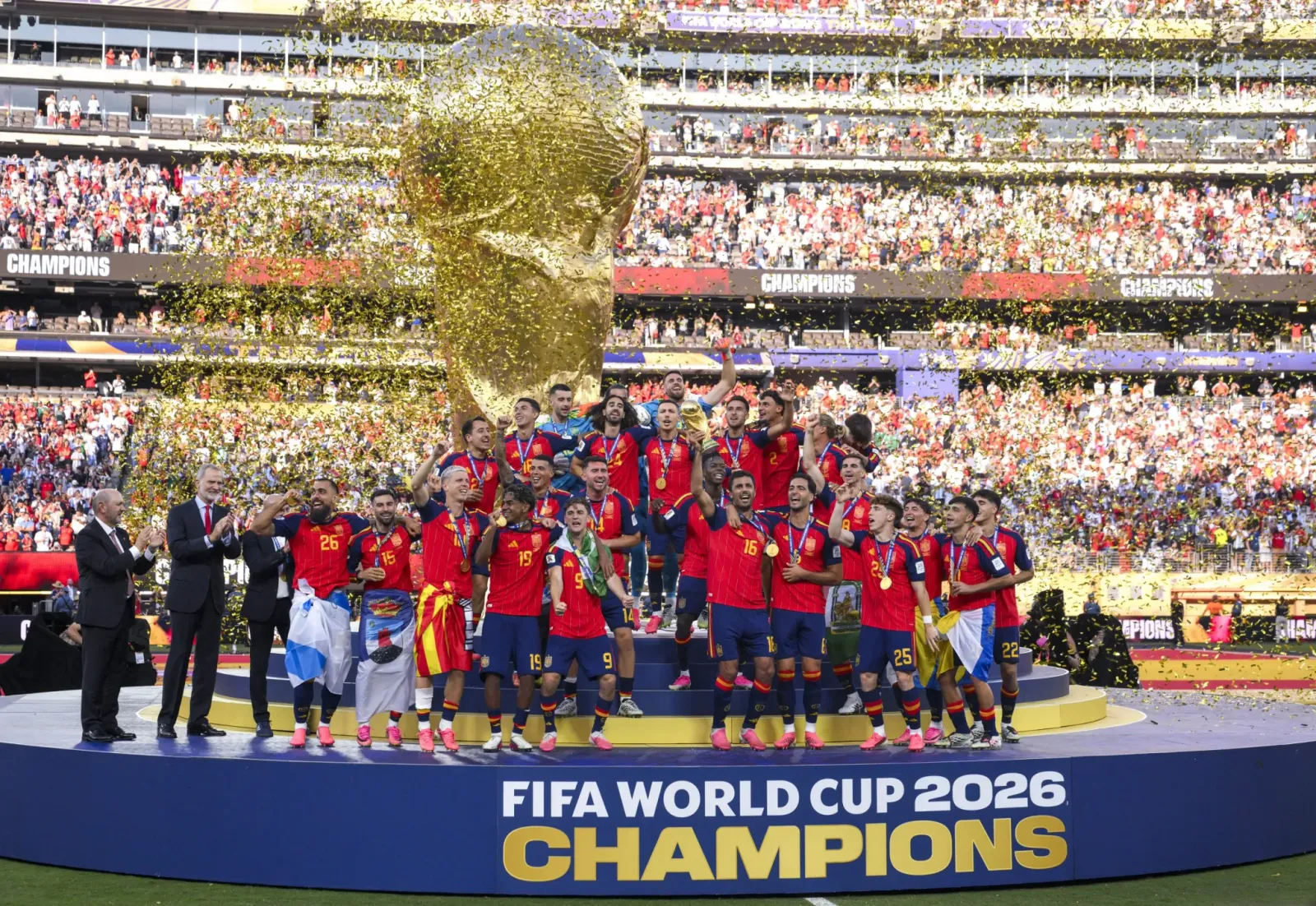
FIFA says the 2026 World Cup delivered its most financially successful tournament ever, with Infantino projecting revenue for the 2023-2026 commercial cycle to surpass $15 billion. For decision-makers, the bigger story is that format expansion, pricing power, and TV demand are driving FIFA’s incentives more than ticket accessibility debates.
The 2026 World Cup is officially FIFA’s most financially successful tournament ever, and the money number it points to is now sitting at $15 billion-plus. FIFA’s own timeline matters here: it projected roughly $8.9 billion in total revenue about a year ago for 2026, then said in April the World Cup itself would generate around $11 billion. Over the weekend, FIFA President Gianni Infantino said the revenue for the full 2023-2026 commercial cycle would surpass $15 billion.
This is not a small win or a quiet little upside. It is the reversal of a fear FIFA had to keep swatting away: months of warnings that exorbitant ticket prices and U.S. travel restrictions would hold the event back. FIFA’s reported outcomes, including record TV audiences and packed stadiums, are the payoff to that bet. Infantino also told representatives of FIFA’s member associations that ahead of the next World Cup in 2030, FIFA can do even better, framing this tournament as one that “opened a lot of doors” and “possibilities.”
So what actually drove the $15B-plus story? Part of it was the expanded format. The tournament used 48 teams, up from 32. That expansion pulled in just under a quarter of the world’s FIFA-affiliated national teams, which in practice meant more national fan bases, more matchups, and a larger global footprint. The schedule also scaled with it: matches went from 64 to 104. Some observers worried the larger field would dilute competitiveness, but the numbers FIFA provided suggest broader interest translated into demand.
FIFA says it received over 500 million ticket requests from residents located in all 211 countries and territories that make up FIFA’s member body. Those requests came through a 33-day application window between December and January. And in at least one measurable slice of supply-demand alignment, FIFA quoted figures that line up with sold-out reality: in the group stage, soccer analytics firm Football Benchmark director Antonio Di Cianni said “the utilization rate of stadiums was basically sold out, at 99%.” Translation for executives: even when access feels difficult, the market can still show up in volume.
Then there is the pricing power, which is where the commercialization champion label stops being rhetorical. The 2026 tournament was the most expensive World Cup ever. During the group stage, FIFA sold tickets as high as $575, more than double the price of group stage tickets during the 2022 World Cup in Qatar, which sold for $220 at maximum. FIFA also used dynamic pricing for the first time, and that pushed group-stage prices above $1,000 at times. Mobile ticketing platform SeatGeek told The Athletic that the average price of a ticket for the World Cup final Sunday on the platform was $12,751. On FIFA’s resale platform, at least one ticket was listed for $2.3 million.
That pricing story collided with political scrutiny. At least one moment during the summer, U.S. lawmakers accused FIFA of prioritizing revenue over giving fans access, and they urged FIFA to lower prices. FIFA later came under fire for taking a 15% cut from both buyer and seller for tickets resold through its official platform. This is a classic tension executives will recognize: when demand exists, monetization expands quickly, and the public debate tends to catch up later, not earlier.
Meanwhile, FIFA’s commercial thesis did not rely only on ticket revenue. It also leaned heavily on viewership momentum. The U.S. national team’s round-of-32 victory over Bosnia and Herzegovina drew more than 24 million viewers across Fox and Telemundo, making it the most-watched English-language soccer broadcast in U.S. TV history. Mexico’s loss against England in the round-of-16 brought in 23.2 million viewers across Telemundo and Peacock. That match, with Spanish-language commentators, set a record as the most-watched soccer match in Spanish in U.S. media history.
For corporate and media decision-makers, the second-order implication is straightforward: the combination of more matches, more teams, and highly concentrated global attention creates more premium inventory for advertisers and broadcasters. It is not just “people watched.” It is “the schedule became more programmable.” Mark Conrad, director of the sports business concentration and professor of law and ethics at Fordham University’s Gabelli School of Business, told Fortune that more games and teams participating means more matches and programming to advertise during and more target audiences to reach globally. He added that the 2030 World Cup’s status as the 100-year edition could make advertising during the event even more appealing.
Which brings the story to the boardroom question: will FIFA lower prices after the $15B-plus success? Conrad’s answer is basically no. “Prices will likely continue to be high in the next World Cup, especially with the tournament being held in different markets,” he said. He also suggested FIFA will likely take a similar approach to pricing oversight as it did in this World Cup.
Infantino confirmed Saturday that FIFA members are discussing whether to expand the World Cup again to host 64 teams, although he said the proposal needs discussion among FIFA’s member associations. A 64-team tournament would include nearly a third of FIFA’s member countries and would grow matches to 128 from 104 this year. If that happens, the FIFA model being validated right now suggests the incentives will keep pushing toward scale, monetization, and advertiser-friendly structure. And for anyone in media rights, live events, or sports governance, the lesson is that commercialization is no longer a byproduct. In FIFA’s world, it is the tournament champion.
This story's Key Insights and Take-aways are locked.
Create a free account to unlock Executive Actions for one credit.
Register to UnlockAlways free for Executives Club members. Join the Club
More in Business

Uber buys Delivery Hero for nearly $15B, vaulting to top food delivery outside China
The deal doubles Uber's dual-services footprint and pushes a ride-and-eats bundling play into 50 more markets.

Epic and Google drop settlement bid, forcing rival Android app stores by July 22
Google told the court it is ready to carry third-party app stores starting Wednesday, July 22.
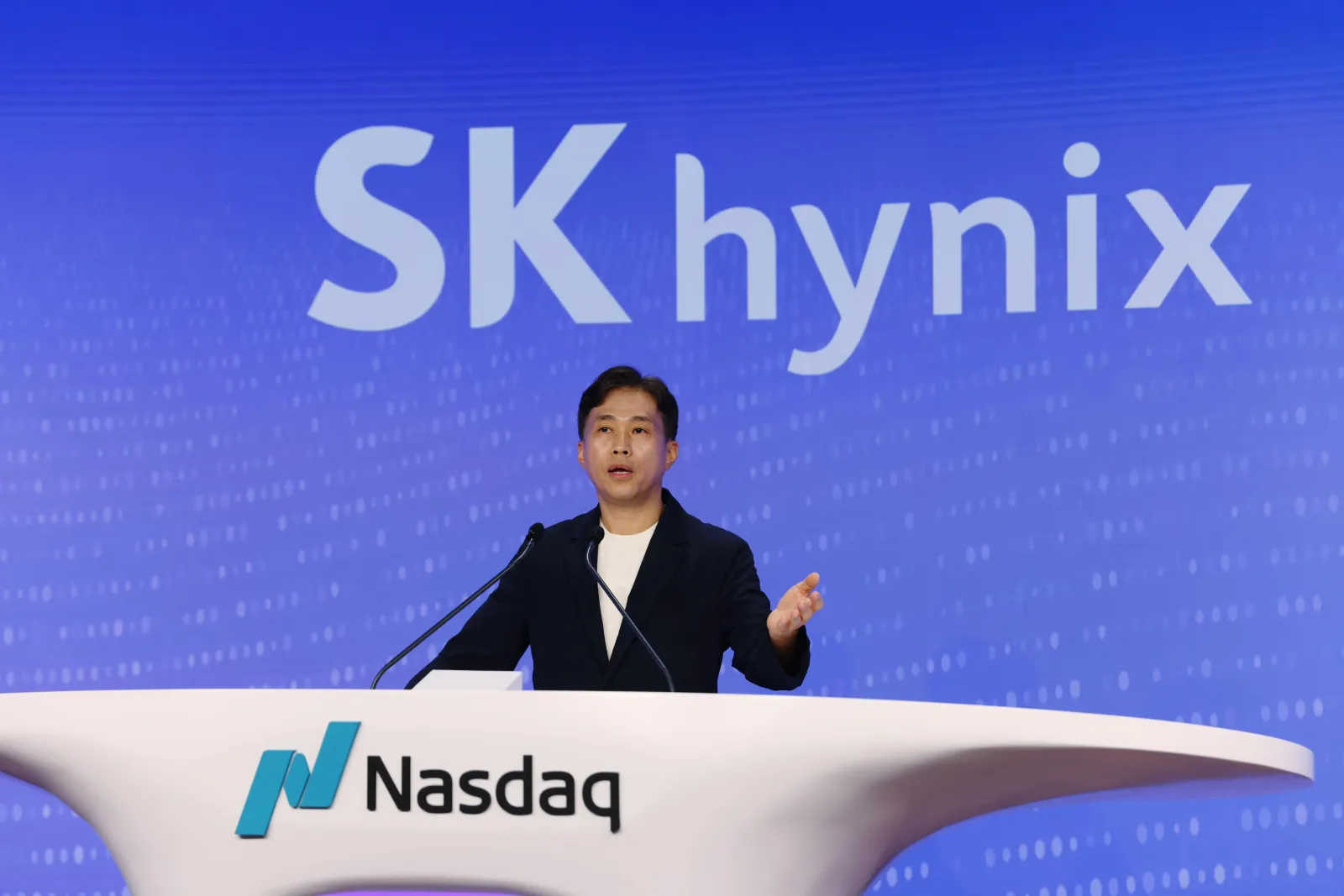
SK Hynix opens at $170, raises $26.5B, and tops foreign IPO records
In Friday's Wall Street debut, SK Hynix turns AI RAM demand into a $26.5B fundraising moment that rewrites comps.