
Forbes' Top Editor Took a Secret $6M From a Ranking Firm
Shook Research rebranded to Veritant after its founder admitted paying Forbes' editor for favorable coverage. Here is what that means for every media-adjacent business.
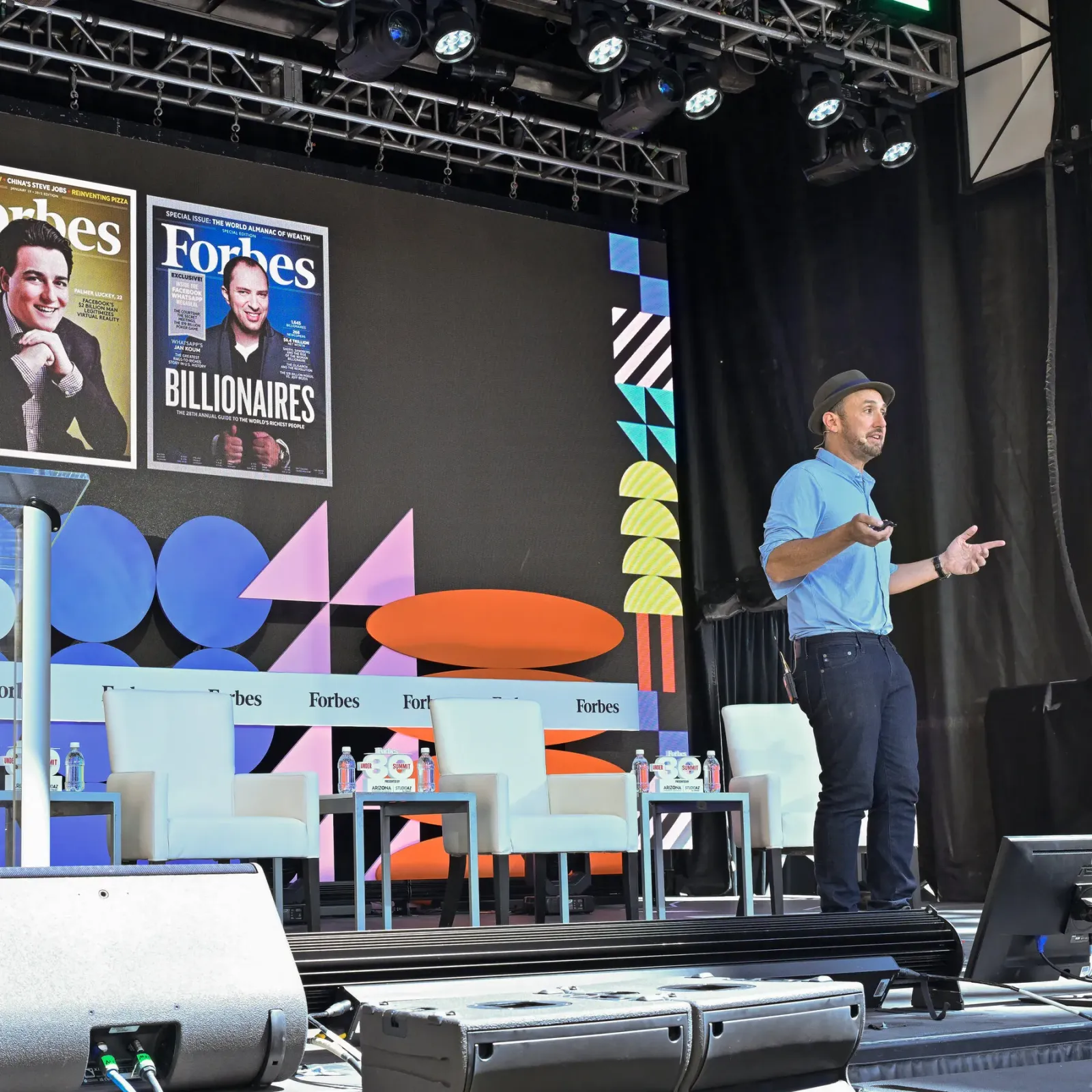
Shook Research founder Ken Shook acknowledged a secret $6 million payment to Forbes' top editor, prompting an accelerated rebrand to Veritant. The disclosure exposes the fragility of rankings-based business models and the reputational risk of undisclosed media payments.
The company that built its name ranking wealth advisers just erased that name from the building. Shook Research, known for its lists of top financial advisers, has rebranded to Veritant after founder Ken Shook acknowledged a secret $6 million payment to the top editor of Forbes. The rebrand was already in the works, but the scandal forced the company to speed up the timeline, according to The New York Times. The payment, made to Forbes editor Randall Lane, has put a spotlight on the murky economics of industry rankings and the quiet deals that can sit behind them.
For context, Shook Research is not a household name, but its rankings are. The company produces the Forbes lists of top wealth advisers, which are widely used by affluent investors and financial firms to identify trusted money managers. A spot on those lists can drive significant new business for an adviser, which is why the rankings carry real commercial weight. The revelation that the founder paid the editor of the very publication running those lists raises obvious questions about how much of the ranking was merit and how much was money. Shook has said the payment was for access and advice, not for editorial influence, but the distinction is hard to sell to a skeptical public.
The scandal first surfaced in Forbes' own pages. In September, Forbes published an investigation into Shook Research, alleging that the company had paid Lane for access and that the payments were not disclosed to readers. Lane, who had been Forbes' editor, was placed on leave and later resigned. Shook initially denied any wrongdoing, but in a subsequent statement acknowledged the $6 million payment. The acknowledgment came as part of a broader reckoning for the wealth management industry, where rankings and awards have long been a marketing battleground. Advisers pay for marketing materials that tout their inclusion on these lists, and the lists themselves are produced by companies that often have their own commercial relationships with the publications that publish them.
For decision-makers, the lesson is not just about ethics; it is about the structural risk of building a business on someone else's editorial platform. Shook Research's entire value proposition was its ability to confer prestige through rankings. Once that prestige is tainted, the business model cracks. The rebrand to Veritant is an attempt to distance the company from the scandal, but a new name does not erase the underlying conflict. Clients and advisers who relied on the Forbes lists will now have to ask a harder question: What else was for sale?
The payment also raises regulatory questions. The Securities and Exchange Commission has long scrutinized pay-to-play arrangements in the financial industry, particularly those involving public pension funds and municipal advisers. While Shook Research is not a registered investment adviser in the traditional sense, its rankings influence how investors choose advisers, which puts it in a gray area. The SEC has not announced any action related to the payment, but the agency's history suggests it will be watching. For compliance officers and general counsels, the case is a reminder that undisclosed payments to media figures can create liability even when they are not technically bribes.
The broader media industry is watching too. Forbes is not the only publication that produces rankings or accepts payments from the subjects of its coverage. Trade publications, conference organizers, and even mainstream outlets have long walked a line between editorial independence and commercial partnerships. The Shook case is a warning that the line is thinner than it looks. When a ranking becomes a revenue driver, the pressure to monetize it grows, and the pressure to keep it clean grows with it. The result is a system where readers cannot always tell the difference between journalism and marketing.
For the wealth management industry, the fallout is already visible. Advisers who proudly displayed their Forbes rankings on their websites are now quietly removing them. Clients are asking questions. Firms that paid for marketing materials tied to the rankings are wondering whether they got what they paid for. The reputational damage extends beyond Shook Research to the entire ecosystem of adviser rankings, which includes competitors like Barron's and Financial Times. Those publications have their own methodologies and their own commercial relationships, and they will now face increased scrutiny by default.
The strategic takeaway for executives is straightforward: trust is a balance sheet asset, and it can be written down overnight. Shook Research spent years building a brand that stood for quality and trust. One payment, acknowledged under pressure, destroyed that brand in a matter of weeks. The rebrand to Veritant is a recognition that the old name is now a liability, not an asset. But a new name is only the first step. The harder work is rebuilding the trust that was lost, and that work cannot be accelerated or rebranded away.
For peers in similar roles, the case offers a clear playbook for what not to do. If your business depends on a third party's stamp of approval, you need to understand exactly how that stamp is earned. If there is any chance it is being bought, you need to know before the public does. And if you are the one doing the buying, you need to recognize that the secret will not stay secret forever. The $6 million payment to Forbes' top editor is now public, and the company that paid it is no longer called Shook Research. It is called Veritant, and it is starting over.
This story's Key Insights and Take-aways are locked.
Create a free account to unlock Executive Actions for one credit.
Register to UnlockAlways free for Executives Club members. Join the Club
More in Business

Elon Musk unveils a flying car, and SpaceX helped build it
The Tesla CEO's showcase at a SpaceX facility signals a future where road and rocket engineering converge.

Apple's $2,000 iPhone Duo opens preorders, taking on Samsung and Google
Apple's first foldable hits the market at a premium price, reshaping a category Samsung and Google have led.

Pope Leo XIV, first American pope, diagnosed with lung cancer
The 71-year-old Chicago-born pontiff underwent successful surgery on his right lung, and his diagnosis raises new questions about his AI-focused papacy and the Vatican's future.