
Frogs survive chytrid fungus because they arm immune defenses before metamorphosis
New research shows tadpoles launch antimicrobial protection early, explaining recovery and pointing to drug discovery opportunities.
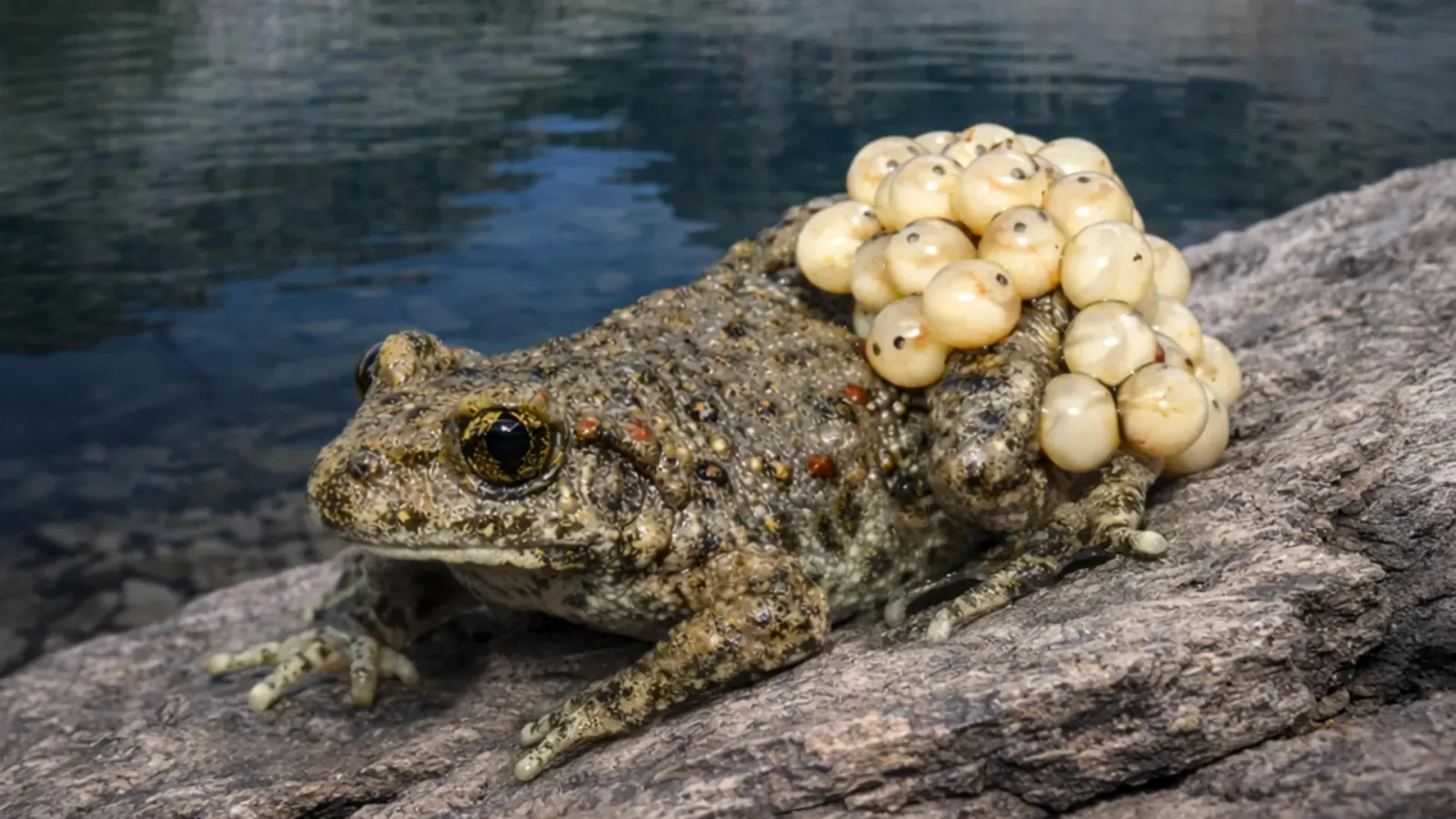
Researchers studying amphibians affected by a deadly fungus found that survivors develop powerful immune defenses while still tadpoles. The work also uncovered a large set of previously unknown antimicrobial peptides that could inspire future drugs to fight infections.
A deadly fungus has wiped out amphibian populations around the globe, yet some frogs still recover. The reason is not luck, at least not in the way people hoped it was. Researchers found that survivors develop powerful immune defenses while they are still tadpoles, well before metamorphosis, giving them a head start when the fungus can finally strike in their new life stage.
That head start matters because it reframes what “survival” looks like in the chytrid-fungus era. Instead of an after-the-fact immune response that shows up too late, the survivors are already biochemically prepared during the tadpole phase. The study also goes one step further and identifies a vast collection of antimicrobial peptides that were previously unknown, connecting the ecological recovery story to a tangible pipeline idea: these peptides could someday inspire new drugs to fight infections.
To understand why this is big beyond amphibian conservation, you have to understand the shape of modern infection defense. Antimicrobial peptides are part of the body’s early warning system. They can directly target pathogens, and they are often part of a broader immune toolkit that turns on quickly. In many diseases, timing is everything: if the first line of defense arrives after exposure, the infection can gain a foothold. This research suggests that some frogs effectively move that “first line” earlier, so that when metamorphosis changes their biology, the fungus runs into an immune system already ready to respond.
Now zoom out to the market and capital reality for anyone funding life science or antibiotic-adjacent work. Antimicrobial resistance has made it harder to rely on classic small-molecule antibiotics, and the industry has been hunting for new classes of antimicrobials for years. This is one reason the finding about previously unknown antimicrobial peptides is not just a scientific footnote. A large, novel library of peptides gives drug discovery teams something they do not get very often: new starting points with distinct sequences and properties. If those peptides can be translated into safe, effective therapeutics, investors and developers could see another leg of the antimicrobial pipeline.
There is also a second-order regulatory angle, even though this specific study is about amphibians. Regulators will care about mechanism, safety, and consistency, especially for any therapy aimed at infections. Antimicrobial peptides, as a concept, create questions around toxicity, stability, manufacturing, and how the peptide behaves in the human body. But the fact that the study identifies a “vast collection” of previously unknown peptides helps teams think in terms of selecting candidates, running structure-activity experiments, and optimizing for human-compatible performance. In other words, it is not a single molecule headline. It is an ecosystem of candidates.
This is where boards and executives should pay attention, even if they are not frog scientists. When you fund or govern a biotech platform, you are rarely buying a single cure. You are buying optionality: the ability to find working mechanisms, then refine them. The study’s central narrative, immune defenses developing while tadpoles, supports the idea that biology can be engineered or mimicked to achieve earlier protection. If that biology can be replicated in therapeutic terms, it could influence program design, not just scientific curiosity.
The strategic stake extends to adjacent areas too. Antimicrobial peptides can overlap with broader infection control goals: reducing pathogen survival, limiting colonization, or supporting the host immune response. Each of these has different trial designs and potential endpoints, but the upstream discovery from amphibians creates a new set of hypotheses worth exploring. And the ecological backdrop is not just sad context. When a fungus wipes out populations around the globe, it drives urgency for solutions. That urgency often accelerates research collaboration across academia, conservation groups, and eventually translational teams.
If you lead a company in this space, the practical takeaway is that timing and immune readiness can be as important as the immune system itself. Survivors appear to develop their powerful defenses while they are still tadpoles, giving a head start before metamorphosis, when the threat can become more dangerous. Combine that with the discovery of previously unknown antimicrobial peptides, and the story reads like a blueprint for “earlier defense plus new molecular ammo.” That is the kind of mechanism-driven insight executives can map onto translational strategy, partner searches, and pipeline prioritization, because it points to both biology and chemistry.
This story's Key Insights and Take-aways are locked.
Create a free account to unlock Executive Actions for one credit.
Register to UnlockAlways free for Executives Club members. Join the Club
More in Science
2026 Nikon Small World Winners Reveal the Hidden Machinery of Everyday Life
A mycologist's frozen Edinburgh garden became the backdrop for vivid views inside cells, a reminder of what advanced imaging now makes visible to researchers and the industries built on biology.

Study: 1 in 4 depression cases may be a body-clock problem, not a chemical one
A 10,000-person study finds standard antidepressants often fail these patients, but melatonin and morning sunlight may hit the real root cause.

Start-Up Says A.I. Designed a Virus to Attack One Patient's Superbug
If the claim holds up, personalized phage therapy could become a new frontline weapon against antibiotic resistance - but proof is far from final.