
Fury vs. Joshua Sold Out in 40 Minutes, Ring Walk at 1 a.m. UK
The Dec. 11 Principality Stadium showdown is already a record-seller, but the 1 a.m. UK ring walk tests even the most devoted fans.
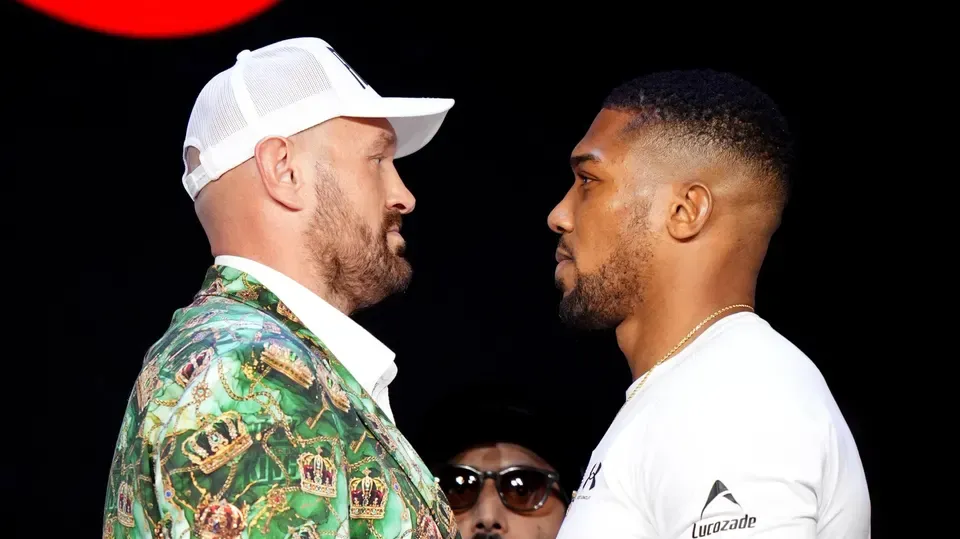
The Fury vs. Joshua fight, streaming on Netflix, sold out in 40 minutes for Dec. 11 at Principality Stadium, with the ring walk expected at 1 a.m. UK time. For decision-makers, the late start signals a new era of global fight economics, where streaming platforms and international audiences dictate prime time.
The biggest fight in British boxing history sold out in 40 minutes flat, and the ring walk is scheduled for 1 a.m. UK time on Dec. 11. That is 8 p.m. ET, a prime-time slot for American viewers, but a brutal late night for UK fans who have waited years for this matchup. The event, streaming live on Netflix from Principality Stadium in Cardiff, is already a commercial phenomenon before a single punch is thrown.
The 40-minute sellout is a testament to the pent-up demand for a fight that has been teased, delayed, and nearly derailed multiple times. Tyson Fury and Anthony Joshua, two of the heavyweight division's biggest names, have never met in the ring, and the public has been clamoring for it. The fact that tickets vanished in under an hour, despite the ungodly ring walk time, shows that scarcity and star power still trump convenience in live sports.
The 1 a.m. UK ring walk is the most telling detail for industry observers. It is a deliberate scheduling choice that prioritizes the US market, where the fight lands at 8 p.m. ET on a Saturday night. For decades, UK boxing events were built around British prime time, with ring walks typically happening around 10 or 11 p.m. local time. This shift to 1 a.m. is a clear signal that the economics of a global streaming audience now outweigh local tradition.
Netflix's involvement is the other game-changer. The streaming giant, known for scripted series and films, has been quietly building its live sports portfolio, and this fight is its biggest bet yet. By putting Fury vs. Joshua on a subscription platform rather than traditional pay-per-view, Netflix is testing whether a massive one-off event can drive subscriber growth and retention. The quick sellout of physical tickets suggests that the live experience remains valuable, but the real revenue play is in the millions of streaming viewers worldwide.
For promoters and broadcasters, the implications are stark. The traditional pay-per-view model, which charges fans $70 to $100 per fight, is being challenged by a subscription model that bundles the event into an existing monthly fee. If Netflix can demonstrate that a marquee fight attracts and retains subscribers, other streaming platforms will likely follow suit. That could reshape the economics of boxing, where fight purses have historically been tied to PPV buys.
The late ring walk also creates a logistical headache for the stadium and the fighters. A 1 a.m. ring walk means the main event likely ends around 2:30 a.m. UK time, and the undercard will stretch deep into the night. For UK fans attending in person, that means planning for a very late night or early morning. For the fighters, it disrupts their usual circadian rhythms, though both are seasoned professionals accustomed to adapting.
For executives in sports, media, and entertainment, this event is a case study in global audience optimization. The decision to start at 1 a.m. UK time is not an oversight; it is a calculated trade-off. The UK market loses some convenience, but the US market, which is far larger and more lucrative for streaming platforms, gains a perfect prime-time slot. The 40-minute sellout proves that demand can overcome inconvenience, but the real test is whether the global streaming audience shows up in numbers that justify the scheduling.
The second-order effects could be profound. If this fight succeeds on Netflix, expect more major boxing matches to migrate to streaming platforms, and expect more UK events to adopt US-friendly start times. The precedent being set here is that live sports are no longer bound by geography or tradition. The ring walk at 1 a.m. is not just a late night; it is a declaration that the fight game now answers to a global clock, and the fans who want to watch will set their alarms accordingly.
This story's Key Insights and Take-aways are locked.
Create a free account to unlock Executive Actions for one credit.
Register to UnlockAlways free for Executives Club members. Join the Club
More in Business

Elon Musk unveils a flying car, and SpaceX helped build it
The Tesla CEO's showcase at a SpaceX facility signals a future where road and rocket engineering converge.

Apple's $2,000 iPhone Duo opens preorders, taking on Samsung and Google
Apple's first foldable hits the market at a premium price, reshaping a category Samsung and Google have led.

Pope Leo XIV, first American pope, diagnosed with lung cancer
The 71-year-old Chicago-born pontiff underwent successful surgery on his right lung, and his diagnosis raises new questions about his AI-focused papacy and the Vatican's future.