

GCC firms post record $74.8B Q2 profit as oil lifts banks, energy
Record second-quarter earnings across the Gulf signal a resilient regional economy, but oil-price volatility and geopolitical risk still loom for boards.

Kamco Invest's latest analysis shows GCC-listed companies earned a record $74.8 billion in net profits in Q2 2026, up 31.3% year on year. For regional executives and boards, the surge underscores the continued dominance of energy and banking, while also highlighting exposure to crude price swings and geopolitical tensions.
Companies listed across the Gulf Cooperation Council delivered a record $74.8 billion in net profits during the second quarter of 2026, a 31.3 percent jump from the same period a year earlier, according to a new analysis from Kamco Invest. The surge was powered by the energy and banking sectors, which together offset a decline in crude oil export volumes across the region. The report, released as quarterly earnings season winds down, cements the Gulf's position as a global profit center, but it also raises questions about how long the tailwind can last.
The report attributes the earnings boom to higher average crude oil prices, which more than compensated for weaker export volumes. That dynamic reflects a regional geopolitical environment that has kept oil markets tight even as global demand shows signs of softening. For the six GCC economies - Saudi Arabia, the UAE, Qatar, Kuwait, Bahrain, and Oman - the numbers reinforce how deeply corporate profitability still tracks the price of a barrel. When crude rises, so do revenues for national champions in energy, petrochemicals, and related industries, and the ripple effects spread quickly through the broader business ecosystem.
Record profits at this scale carry immediate consequences for shareholders and governments alike. Listed companies in the Gulf are often major dividend payers, and many are at least partially state-owned. Higher net income translates into larger dividend flows, bigger tax and royalty payments, and more firepower for capital spending. In a region where fiscal budgets still lean heavily on hydrocarbon revenues, a strong corporate earnings season provides a cushion for public finances. It also gives sovereign wealth funds and state-linked investors more room to deploy capital into strategic projects, from infrastructure to technology, without straining national budgets.
The banking sector's contribution is particularly notable. Gulf banks typically benefit from higher interest rates and robust economic activity, and a rising tide of corporate profits tends to boost lending demand, deposit growth, and asset quality. The report's emphasis on banking as a key driver suggests that the region's financial institutions are capturing spillover effects from energy-led growth, even as they navigate global monetary policy uncertainty. Higher oil prices improve the creditworthiness of energy firms and their suppliers, which in turn reduces non-performing loan risks and supports balance sheet expansion. For bank executives, the challenge now is to manage that growth prudently, avoiding the kind of credit overhang that has hurt the region in past cycles.
On the energy side, the picture is more nuanced. While higher prices lifted revenues, the decline in export volumes signals potential constraints - whether from OPEC+ production agreements, shipping disruptions, or maintenance schedules. That tension between price and volume is a reminder that oil-driven earnings are not purely a function of market strength; they also depend on operational and geopolitical factors that can shift quickly. The report's reference to the regional geopolitical situation suggests that supply risks are currently supporting prices, but those same risks could easily invert and cause a sudden spike in volatility. Energy companies must therefore balance the temptation to boost output against the need to maintain spare capacity and operational resilience.
For boards and executive teams, the record quarter raises the bar for capital allocation decisions. With cash flows at historic highs, investors will expect clear strategies for returning capital, funding growth, or building resilience. The risk is that companies become complacent, treating a favorable oil price environment as permanent. History suggests otherwise: oil markets are cyclical, and geopolitical tailwinds can reverse without warning. CFOs should stress-test their 2027 budgets against a range of oil price scenarios, including a sharp correction, and ensure that dividend policies are sustainable even if earnings fall back to more normal levels. Similarly, capital expenditure plans should be flexible enough to be deferred or accelerated as conditions change.
The geopolitical backdrop adds another layer of complexity. The report specifically cites the regional situation as a factor supporting prices, but that same instability can disrupt production, logistics, and investor confidence. Companies operating across the GCC need to stress-test their supply chains, insurance costs, and contingency plans. A sudden escalation could quickly turn a profit windfall into a margin squeeze, especially for firms with heavy exposure to shipping lanes or cross-border operations. Boards should review their risk registers with fresh eyes, asking whether they are truly prepared for a disruption that lasts weeks or months, not just days.
Looking ahead, the second-quarter results offer a snapshot of a region that remains heavily exposed to hydrocarbons, but also one that is building financial strength. For CFOs and boards, the immediate priority is to lock in gains while preparing for a less favorable environment. That means disciplined balance sheet management, selective diversification into non-oil sectors, and a clear-eyed view of the risks that could puncture the current earnings cycle. The record number is a testament to the region's economic resilience, but it is not a guarantee of future performance. The smartest executives will use this moment of strength to build buffers, pay down debt, and invest in the businesses that will thrive when the oil boom inevitably cools.
This story's Key Insights and Take-aways are locked.
Create a free account to unlock Executive Actions for one credit.
Register to UnlockAlways free for Executives Club members. Join the Club
More in Business
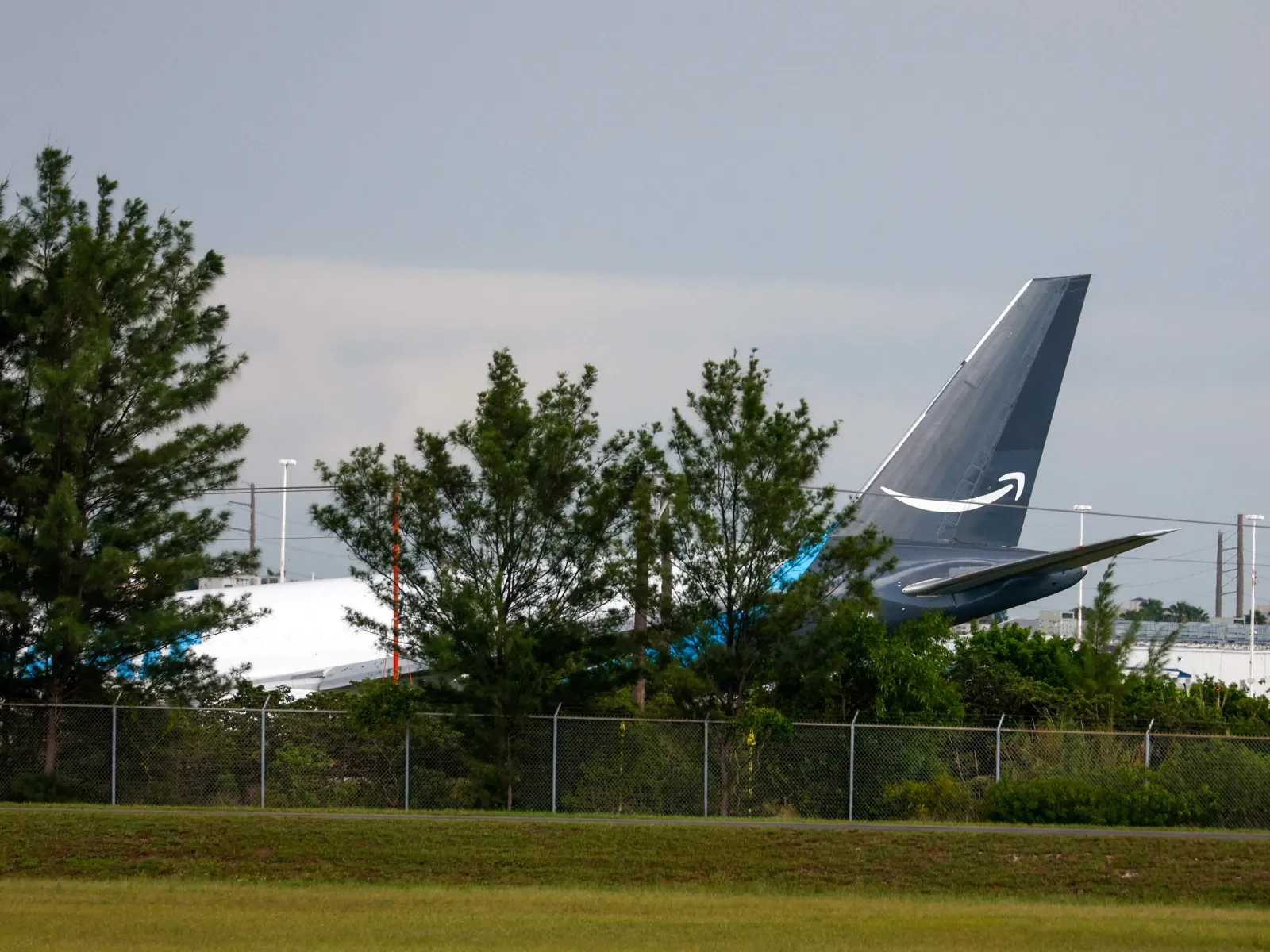
Amazon Prime Air 767 overshoots Miami runway, killing at least 5
The Boeing 767 freighter from San Juan struck vehicles and erupted in flames, prompting a ground stop and a fresh NTSB investigation into Amazon's air cargo network.

Death sentence for TV presenter Sarah Khalifa: Egypt's drug case hits media
The sentencing of Sarah Khalifa and 11 others underscores the severity of Egypt's anti-drug laws and the exposure of public figures to capital punishment.
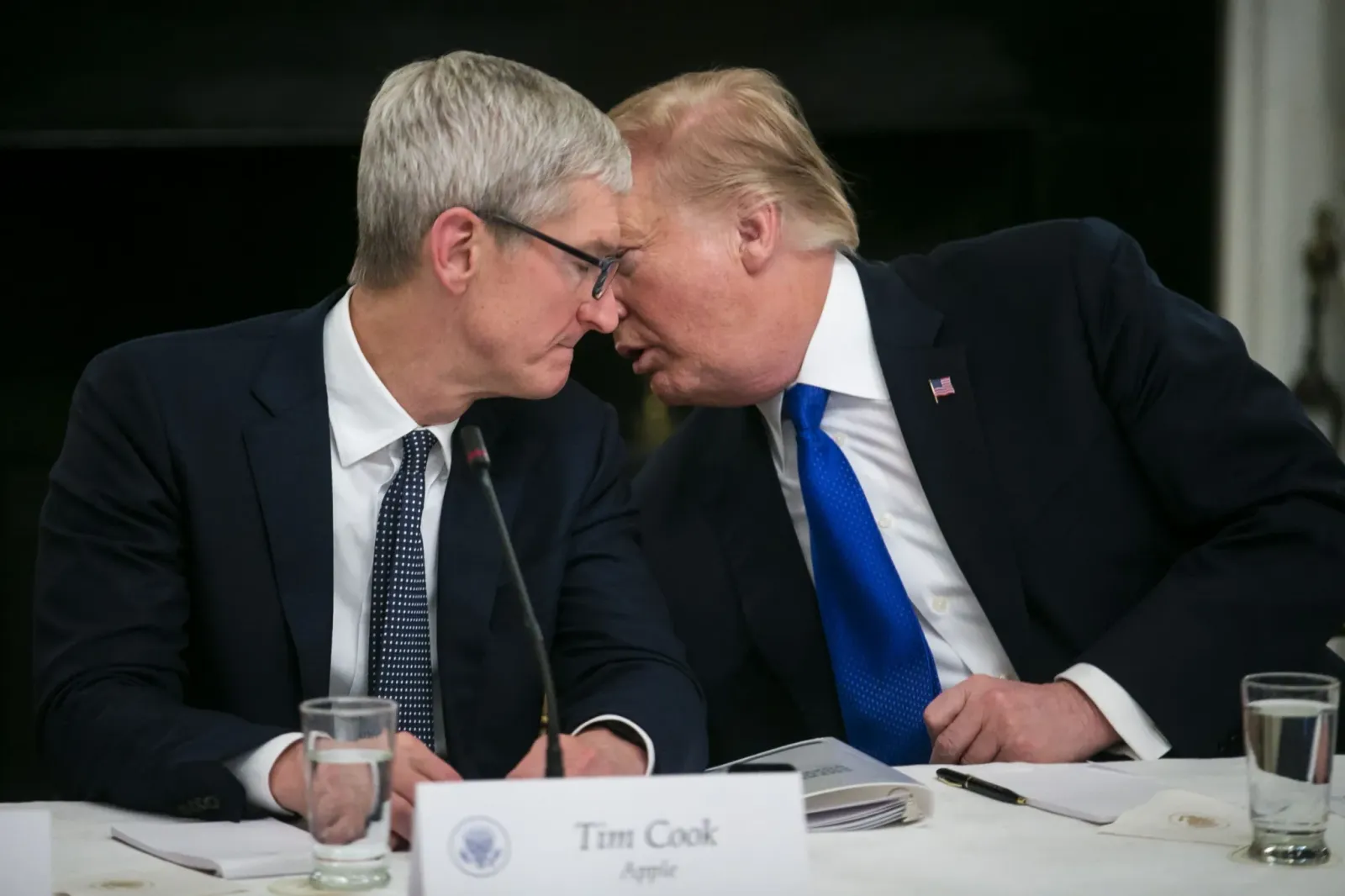
Tim Cook steps down as Apple CEO, stays on as chair with $45M equity
The 'Trump whisperer' keeps his White House and Beijing access as Apple navigates tariffs and a $4.6 trillion market cap.