
Gwynne Shotwell runs SpaceX like an adult-in-the-room while Elon Musk handles the fire
Shotwell, SpaceX's COO and president, is the stabilizer for a company heading toward an initial public offering.
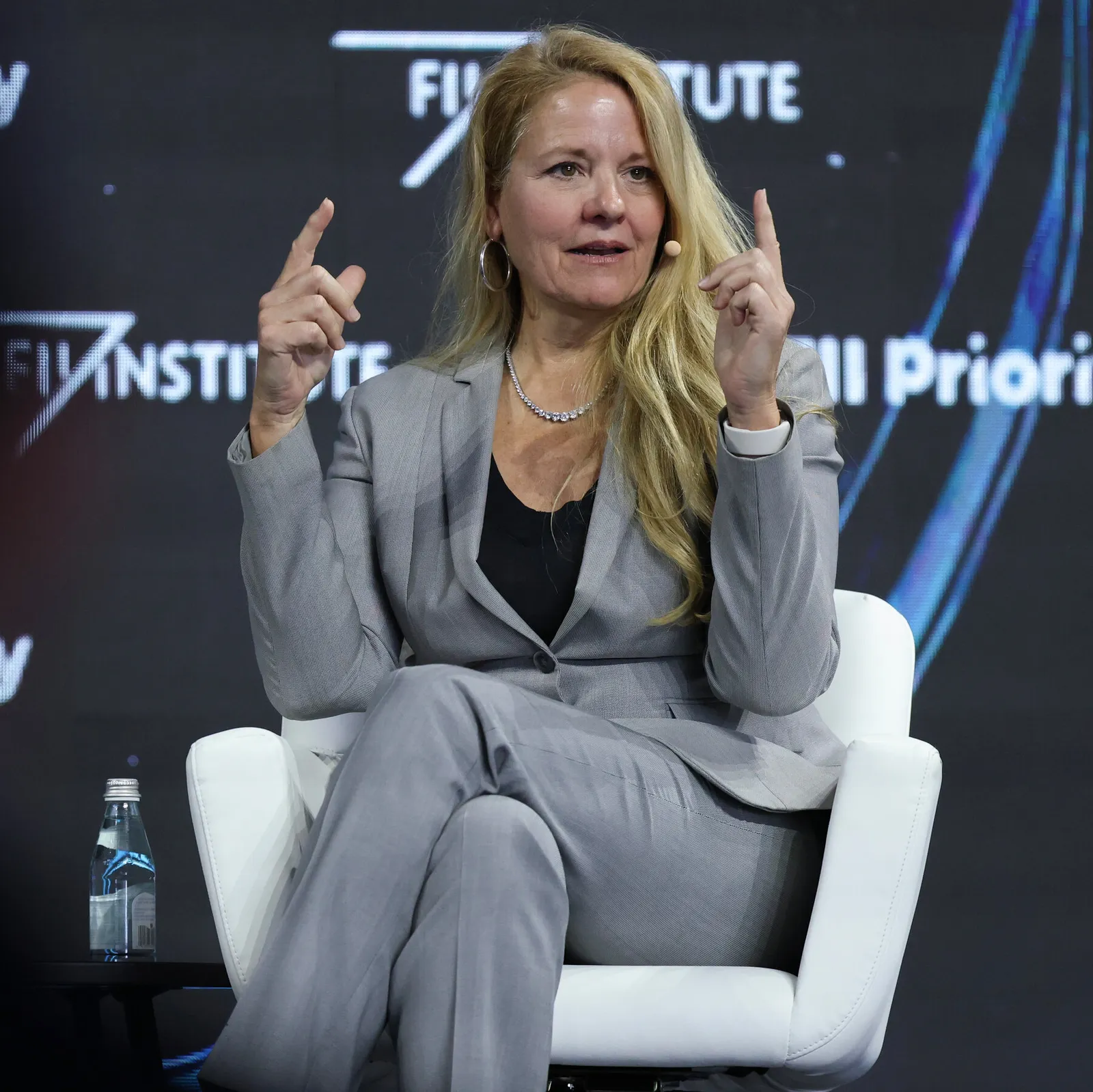
Gwynne Shotwell, SpaceX's president and chief operating officer, is positioned as the operational steady hand beside Elon Musk. As SpaceX prepares for a blockbuster initial public offering, her role becomes central to how the company manages scrutiny, expectations, and execution.
Gwynne Shotwell, SpaceX's president and chief operating officer, is the adult-in-the-room foil to Elon Musk as SpaceX prepares for a blockbuster initial public offering.
That positioning is not just a personality note. In a moment when investors, regulators, and prospective shareholders all want clean answers, SpaceX needs a credible operating center. Shotwell is the one associated with day-to-day execution and internal coordination, while Musk is the headline gravity. In other words, as SpaceX moves from “mission-driven spectacle” toward “public-company scrutiny,” the company’s leadership mix matters.
To understand why, zoom out to what an initial public offering actually changes. Going public is not a logo upgrade. It forces a machine to run on schedule: financial reporting rhythms, disclosure expectations, risk management discipline, and a board-and-management structure that can withstand questions from strangers who did not live through the last launch countdown. For a company like SpaceX, which has long operated with a culture built around ambitious engineering and rapid iteration, the shift is both operational and narrative. Investors want to see the same momentum, but with the accountability and predictability that public markets demand.
That is where Shotwell’s “steady hand” role reads like a structural advantage. As president and COO, she is the executive anchor tied to operations, execution, and internal follow-through. When founders or visionary leaders dominate perception, an organization often still needs someone who can translate vision into systems, deadlines, and cross-functional throughput. In SpaceX’s case, the article frames Shotwell explicitly as the foil to Musk, implying a division of labor: Musk brings scale and audacity, while Shotwell helps keep the organization coherent as it scales.
This matters even before any shares start trading, because the IPO process itself is a regulatory and governance workout. Underwriters, lawyers, and regulators will press for details that are easy to hand-wave in private life and harder to ignore in public documents. That includes clarity on corporate structure, governance responsibilities, and how leadership manages risk. Boards typically want executives who can run the company well enough that the board can oversee it. They also want a narrative that does not collapse under pressure. A “steady hand” is not just emotional branding. It signals a governance posture.
There is also a second-order implication for the investors watching the story form. When a company approaches an IPO, the market does not only price products. It prices management credibility. If the leadership team reads as unbalanced, the valuation can come with a discount. If the team reads as complementary, investors are more likely to believe that the company can meet both technical goals and disclosure standards. Shotwell’s visibility in this framing suggests SpaceX is trying to show that it has both the visionary force and the operating discipline.
For other executives and boards, the lesson is practical. When you are planning to go public, leadership roles become a form of risk management. The “adult-in-the-room” figure can reduce the perceived odds of operational chaos during the transition, even if the company’s engineering ambitions remain the same. It can also help align internal stakeholders during the IPO sprint, when timelines tighten and cross-team coordination becomes mission-critical.
So the real stakes are not just whether SpaceX becomes a public company. The stakes are whether it can keep delivering results while navigating an environment built to punish ambiguity. Shotwell, as president and COO, is presented as the stabilizing counterweight to Musk at exactly the moment when the company’s execution will be evaluated in a new way. For decision-makers across startups and growth companies, that is the quiet power behind the IPO headline: the organization’s ability to turn momentum into repeatable, board-ready performance.
This story's Key Insights and Take-aways are locked.
Create a free account to unlock Executive Actions for one credit.
Register to UnlockAlways free for Executives Club members. Join the Club
More in Technology

Antares hits criticality at Idaho National Laboratory, but power generation still isn’t on
A small modular nuclear startup cleared the self-sustaining line. Regulators and investors now shift to the next proof point.

Ötzi's frozen microbes are still growing, with yeast alive in his museum body
Scientists sampled Ötzi’s stomach, meltwater, skin, and storage lab, and found cold-adapted yeast species persist.

Boilermakers and welders land in WalletHub’s 2026 worst entry-level list
Gen Z trade-job boosters promised security. WalletHub’s 2026 ranking says some roles face weak openings, hazards, and automation exposure.