

Hangzhou’s Wangtianji sold 66 penthouses on day one for 3.36B yuan
A July 16 launch snapped up every high-end unit, signaling how fresh tech wealth is reshaping luxury demand in one city.
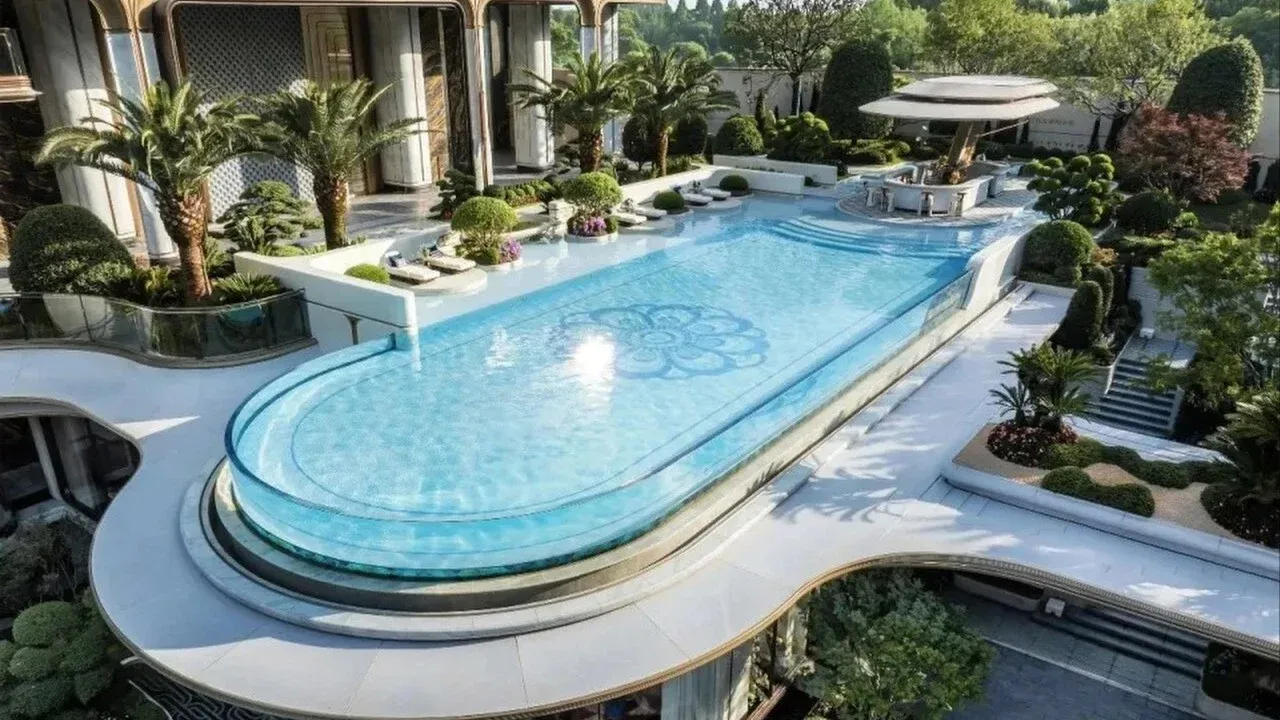
Wangtianji in Hangzhou sold all 66 units in its initial batch on July 16, generating 3.36 billion yuan (US$496 million) in total sales. For decision-makers, the speed and price strength highlights how quickly new tech fortunes can reprice prime residential assets.
A luxury penthouse launch in Hangzhou did not just sell out. It hit record highs, with Wangtianji’s initial batch of 66 high-rise flats all snapped up on the first day. The unit figures backed that headline with 3.36 billion yuan (US$496 million) in total sales generated on July 16, underscoring both strength in unit pricing and total value for high-rise apartments in the city.
Here is the part that matters for anyone tracking property risk or capital allocation: the demand was not leisurely, it was competitive. The SCMP report describes seven to eight bidders chasing each prime riverfront flat. Buyers also averaged 39 years old, suggesting this wave of demand is coming from relatively affluent, working-age households rather than a purely legacy or retirement-driven market. In a sector where liquidity can evaporate as soon as expectations shift, a first-day full absorption is a signal that the market’s center of gravity may have moved.
So what is actually behind a moment like this? In broad terms, luxury property markets tend to react to two inputs at once: access to capital and confidence about future wealth. Hangzhou, like other Chinese tech-linked cities, has benefited from the rise of new tech wealth. The report frames that directly as “fresh momentum” injected into the market. When new wealth appears, it does not only chase cars, travel, and brands. It often converts into tangible assets that can anchor lifestyle and perceived status. Luxury inventory at the top end, especially for highly attractive locations like riverfront views, can become a kind of high-touch “wealth deployment” channel.
The Wangtianji development itself matters because the transaction structure looks like classic high-end scarcity. The report says the launch was the initial batch, and every unit was sold on day one. That implies buyers were not waiting for discounts or negotiating leverage. Instead, the auction-like dynamics described by the seven to eight bidders per flat point to an environment where participants believed they were competing for limited future utility, not bargaining over a floating price. Even without seeing the exact unit price per flat in the excerpt, the report’s claim of “record highs” for both unit price and total value indicates the market did not just absorb supply, it accepted higher price levels.
For boards and finance leaders, the immediate question is not “who bought it,” it is “what does this do to market expectations.” When a high-rise luxury segment sells out at these numbers, it can lift comparable pricing assumptions for developers and brokers, and it can tighten the timeline for how quickly demand can pull forward future purchases. That can create a feedback loop: stronger sales momentum supports developer confidence, which can influence marketing, pricing strategy, and the pace of future releases. In parallel, competitors may adjust their own pricing or accelerate launches if they think buyers are willing to pay up right now.
There is also a regulatory overlay that executives should keep in mind, even when the excerpt does not spell out policy details. Chinese property has historically been shaped by government priorities such as stabilizing housing supply and controlling credit risk. In practice, authorities often calibrate mortgage availability, purchase restrictions, and local implementation through administrative measures. Even so, luxury segments frequently behave differently from mass-market housing because buyer profiles, financing methods, and investment motivations can diverge. A first-day sale of 66 units generating 3.36 billion yuan suggests this buyer pool was able and willing to move quickly, regardless of what the broader market sentiment looked like.
Second-order implications extend beyond one development. Hangzhou’s record highs for high-rise flats can ripple into how investors, lenders, and property funds assess the “floor” under luxury demand. If new tech wealth is consistently channeling into top-end real estate, liquidity may improve in that segment even when other categories face slower absorption. That can alter how capital is priced across the sector, including how developers estimate sales risk, and how financial institutions model collateral values.
For peers in similar roles, the stake is straightforward: if demand can translate into full-day absorption at peak prices, planning assumptions must reflect speed, not just direction. The Wangtianji outcome on July 16, with all 66 units gone and 3.36 billion yuan (US$496 million) in total sales, shows a market moment where pricing power and buyer urgency line up. In luxury property, that alignment can be temporary. The winners will be the teams that track these signals early enough to adjust pricing, inventory timing, and capital exposure before sentiment catches up.
This story's Key Insights and Take-aways are locked.
Create a free account to unlock Executive Actions for one credit.
Register to UnlockAlways free for Executives Club members. Join the Club
More in Business

Anthropic’s Levant Alpöge cracks the Jacobian conjecture after 87 years
A Harvard valedictorian used Claude to hit a 1939 breakthrough, but the missing “why” is the real problem.

Uber buys Delivery Hero for nearly $15B, vaulting to top food delivery outside China
The deal doubles Uber's dual-services footprint and pushes a ride-and-eats bundling play into 50 more markets.

Epic and Google drop settlement bid, forcing rival Android app stores by July 22
Google told the court it is ready to carry third-party app stores starting Wednesday, July 22.