

Heat leak in a “LeBron” press video sparked $245M prediction bets in three days
A deleted YouTube upload flipped odds fast, turning front-office prep into tradable information for millions.
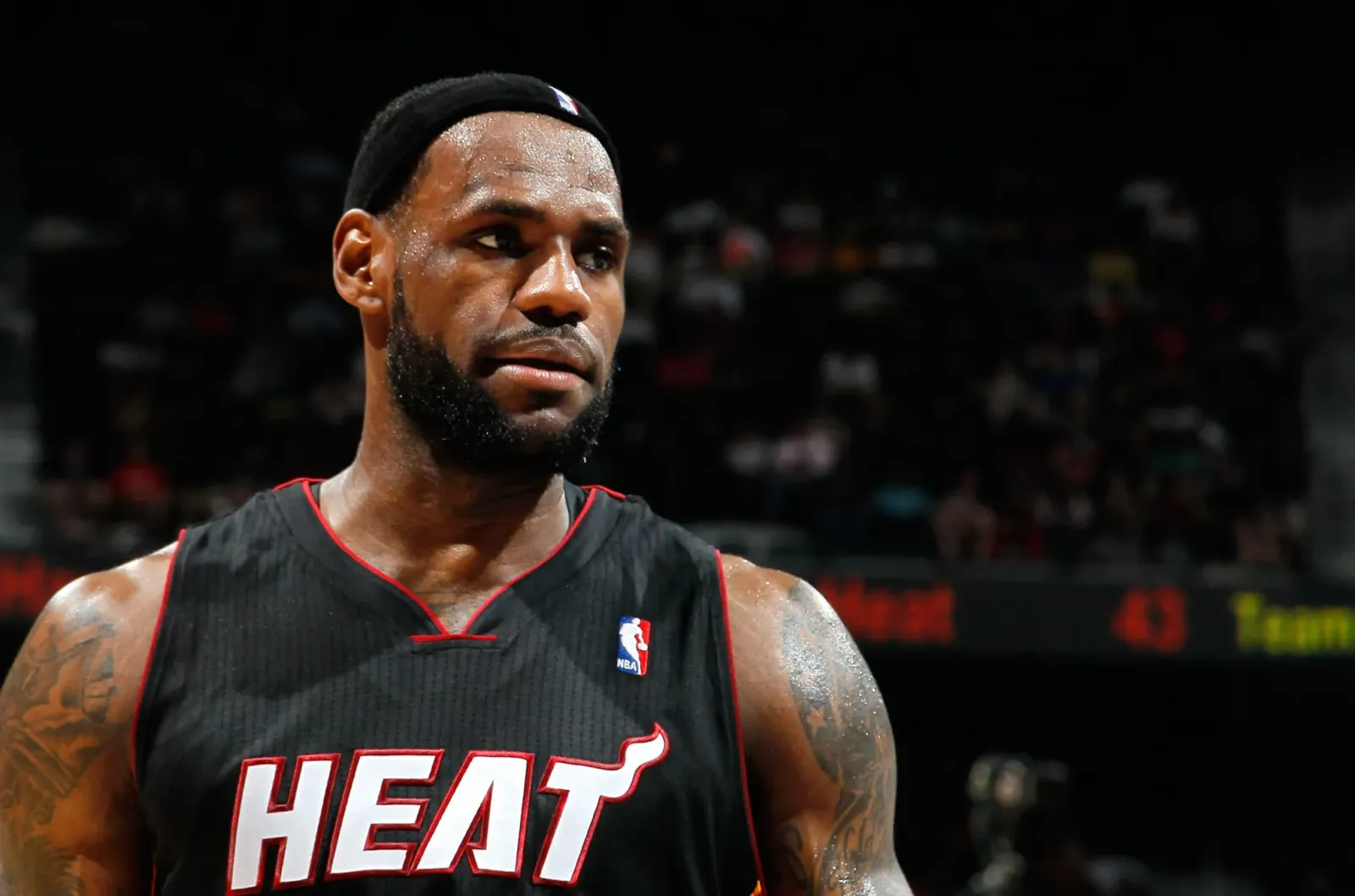
The Miami Heat accidentally posted and then deleted a YouTube video titled “LeBron James Introductory Press Conference,” and prediction markets immediately priced Miami as a near coin flip. The resulting trading across Kalshi and Polymarket has topped $245 million, raising pressure on sports leagues and regulators over whether leaks should exist in markets at all.
On Tuesday night, the Miami Heat accidentally published, then deleted, a YouTube video titled “LeBron James Introductory Press Conference,” dated for later this month. A team spokesperson told the Miami Herald the post was a mistake, made while the club prepared materials for “the possibility of James eventually deciding to join the Heat this offseason.” Shortly after the video was removed, the team reposted a job listing on LinkedIn for a director of YouTube strategy.
The market reaction was immediate and loud. LeBron James is still a free agent since leaving the Los Angeles Lakers 24 days ago, and he has given no timeline for his decision. Even his agent, Rich Paul, said this week that nobody knows when it’s coming. But on prediction markets, Miami is now priced near 50% on Polymarket to land James, and Kalshi has that scenario in the high 40s. Cleveland had been running dead even just a day earlier, and according to Polymarket, the likelihood of James returning to South Beach on the night the video was “mistakenly” posted sat at 31.5%, trailing Cleveland by three points.
So what does a “mistake” post do to a market? In this case, it turbocharged it. Combined trading tied to James’s next team has topped $245 million across Kalshi and Polymarket, with more than $200 million on Kalshi alone. That is a fast climb from just weeks ago, when the figure was $76 million; a Kalshi spokesperson has since put the total north of $170 million. And this is not just spread thin across obscure contracts. According to Kalshi, the current market volume of James’s landing spot has garnered over $211 million. In other words, following Kalshi’s $170 million report, there has been an increase of over $40 million in total betting volume in just three days.
At one point, the James trade ranked as the platform’s third-largest market ever on Kalshi, trailing only the 2026 World Cup champion contract and the 2028 Democratic presidential nomination. Fewer than 30 markets in Kalshi’s history have ever cleared $100 million in volume, which matters because it tells you this is not normal foot-traffic trading. By comparison, Kalshi’s markets on the Kawhi Leonard, Bronny James, Kyle Tucker, and Jaelan Phillips free agencies each drew well under $1 million. The contrast highlights what traders are reacting to: not “sports rumors” in general, but specific, time-stamped signals that look like they come from inside the building.
This James market also mirrors a broader shift Fortune has been documenting across sports, politics, and crypto: prediction markets are getting more active, and sports trading is leading the charge. Monthly volume on Kalshi and Polymarket, the two largest platforms, reached nearly $24 billion as of April, according to Pew Research Center, which found sports traders more active than those betting on politics or crypto. Fortune also points to a legal U.S. sports-betting shift during the World Cup, where prediction markets made up roughly 27% of all legal U.S. sports-betting volume, up from just 9% at the start of the year. Kalshi’s contract on the World Cup final between Spain and Argentina topped $1.27 billion, compared with roughly $2 billion wagered across the NBA Finals and $1 billion on the Super Bowl. The message is simple: when sports bets become tradable probabilities, markets behave like markets, not message boards.
Not everyone thinks this is good. The NBA has told federal regulators it doesn’t believe markets like the LeBron one should exist at all, arguing they invite exactly the kind of front-office leak the Heat just produced. That argument echoes Kalshi’s own legal fight. Kalshi is trying to keep operating these sports contracts nationwide, and its effort, state regulators argue, is actually offering unlicensed sports gambling. Fortune notes that the case is headed toward the Supreme Court over whether Kalshi is offering financial products.
Where this gets especially tricky for executives is that nobody can prove whether the Heat video leak was deliberate. Marty Conway, a sports business professor at Georgetown University, told Fortune that he couldn’t say whether the video leak was intentional and cautioned there’s no evidence either way. He said the logic behind why a team would even have such a video ready is revealing. “If it wasn’t even an option, why would somebody prepare it?” Conway said. “So, was the Heat just preparing for that? If they weren’t in the market for LeBron, they wouldn’t be preparing that kind of communication. So somebody believes that they are in the market for LeBron, and they’re prepared for it.”
Conway’s broader point is even more uncomfortable: whether the leak was a true accident or a controlled signal, it gets read through a betting lens now. He said mistakes like this can be common because there are lots of things sitting on servers in production but not ready to be seen, and “mistakes that happen in that regard.” But he added that it wouldn’t be surprising if someone, or a small group, floated that and had some ability to profit or shift the odds. That dynamic, he argues, is increasingly shaping how free agency plays out in public. Fans, reporters, and traders now treat internal preparations like press conference backdrops, jersey mockups, and even a YouTube upload as signals worth betting on, even when teams insist there’s nothing behind them.
If you’re a CEO, CFO, or board member in sports or adjacent businesses, the strategic stake is clear: information that used to live inside corporate processes is now tradable at scale. Every event, intentional or not, gets priced somewhere. And once it does, the debate stops being about “leaks” in the abstract and becomes about market incentives, regulatory posture, and how internal teams design communications. In a world where a deleted press conference video can drive $245 million in bets across two platforms in three days, the question is no longer whether probabilities exist. It’s who gets to react first, and what rules are supposed to stop it.
This story's Key Insights and Take-aways are locked.
Create a free account to unlock Executive Actions for one credit.
Register to UnlockAlways free for Executives Club members. Join the Club
More in Business

Anthropic’s Levant Alpöge cracks the Jacobian conjecture after 87 years
A Harvard valedictorian used Claude to hit a 1939 breakthrough, but the missing “why” is the real problem.

Uber buys Delivery Hero for nearly $15B, vaulting to top food delivery outside China
The deal doubles Uber's dual-services footprint and pushes a ride-and-eats bundling play into 50 more markets.

Epic and Google drop settlement bid, forcing rival Android app stores by July 22
Google told the court it is ready to carry third-party app stores starting Wednesday, July 22.