
Helium-3 goes moonbound as forecast demand climbs and prices stay brutal
The expensive isotope is drawing lunar mining plans, and decision-makers are watching for supply chain and regulation ripples.
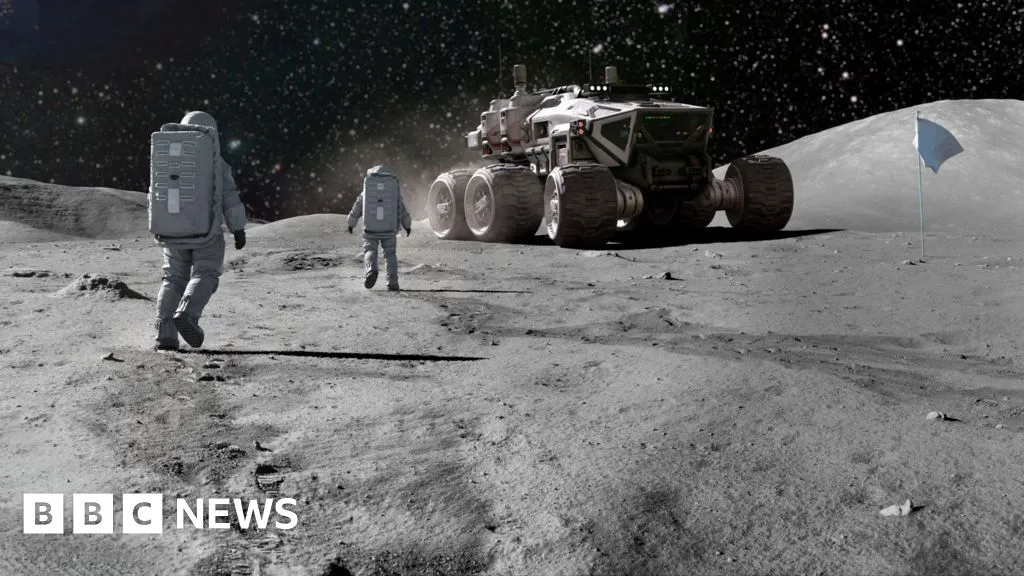
Helium-3 is expensive today and demand is forecast to soar. Some planners are aiming to mine it on the moon to meet that expected surge, turning a niche science question into a supply strategy debate.
Helium-3 is expensive, and demand is forecast to soar. That combo is pushing some planners to look past Earth and toward the moon, where helium-3 could be mined as a future supply source. For executives, the headline detail is not the science, it is the economics. When an input is costly and the market expects it to get tighter, teams start asking a very practical question: can we create supply where current supply cannot be scaled quickly enough?
Why the urgency? The source framing is straightforward: helium-3 is expensive, and demand is forecast to grow. If that forecast holds, the world does not just get a little busier. It gets more competitive. Companies that need helium-3, or that want to position themselves in markets that could rely on it, will be pressured to secure access early. That pressure is exactly what tends to pull projects from research labs to funding decks, and from “someday” to “we should start making deals now.” In that sense, lunar mining is less a sci-fi detour and more an attempt to solve a straightforward supply problem under forecast demand.
To understand why helium-3 attracts lunar talk, it helps to remember what makes moon sourcing feel different to operators. On Earth, scaling production for a rare and expensive material is often slow. You run into constraints like specialized extraction, limited deposits, long permitting timelines, and complex industrial demand. On the moon, the promise is a clean slate. The pitch is essentially geographic. If the material is more available in lunar conditions, then a new supply route could reduce future bottlenecks. Even when the engineering is hard, executives often find themselves comparing timelines: How long would it take to scale on Earth versus how long it would take to develop lunar operations.
But there is a catch executives should keep front of mind: the word “planning” matters. The source does not claim that helium-3 lunar mining is operational today. It says some are planning to mine it on the moon. That means we are still in the stage where regulatory pathways, investment structures, and partnerships can determine whether the idea becomes an industry or stays a slide in a deck. In other words, the risk is not only technical. It is commercial and legal too.
Regulation and governance are especially central for space resources because governments and companies do not live in the same system as traditional mining. Earth permits, environmental reviews, and land rights are one set of rules. Space resource activities are another layer, shaped by international agreements and national implementations. That matters for decision-makers because regulatory uncertainty can directly impact project timelines, costs, and bankability. If helium-3 becomes a strategic target, oversight tends to rise, and so do compliance requirements. Executives considering exposure to this space would want to understand how the rules might evolve, and how those changes would affect project economics.
There is also the second-order effect: forecasted demand can create a scramble even before supply exists. When a market expects demand to soar, everyone wants to be first in line. That can drive partnerships between space startups, traditional energy and materials companies, and investors who want upside from early bets. It can also influence capital allocation decisions elsewhere. Boards may pressure management teams to explain how they are thinking about supply constraints for high-value inputs. If helium-3 is expensive today and demand is forecast to increase, then the “cost of waiting” is not just theoretical. It is a balance-sheet concern.
Finally, there is a strategic stake for peers in similar roles. This is not only about helium-3 itself. It is a signal about how executives are approaching future industrial bottlenecks: by looking to locations that are currently out of reach for conventional supply chains. Lunar mining plans are a way to hedge a forecast. Whether that hedge is worth it depends on execution and regulation, but the direction is clear from the source: expensive input, expected demand growth, and moon-based sourcing under consideration. If helium-3 demand truly accelerates, the teams that can navigate the early stages of commercialization could shape who gets access first, who pays the lowest risk-adjusted cost later, and who gets left holding expensive assumptions when reality lands.
This story's Key Insights and Take-aways are locked.
Create a free account to unlock Executive Actions for one credit.
Register to UnlockAlways free for Executives Club members. Join the Club
More in Technology

Trump export-control order forces Anthropic to suspend Mythos 5 and Fable 5
A 5:21 PM directive bars access by any foreign national, including Anthropic employees, and triggers a frantic policy fight.

Microsoft adds Amazon capacity for GitHub after AI outages and reliability failures
GitHub is tapping multiple clouds, accelerating Azure, and relying on AWS compute to survive an AI coding surge.

Isar scrubbed Spectrum launch after fluid systems anomaly, again, at Andøya on Monday
A detected “off nominal behavior” in Spectrum’s fluid systems delayed Isar’s second test flight, not for lack of money.