

Honda backs magnet startup that could break China's rare-earth chokehold
The automaker's investment in Niron Magnetics signals a strategic bet on a supply chain free from rare-earth dependence.
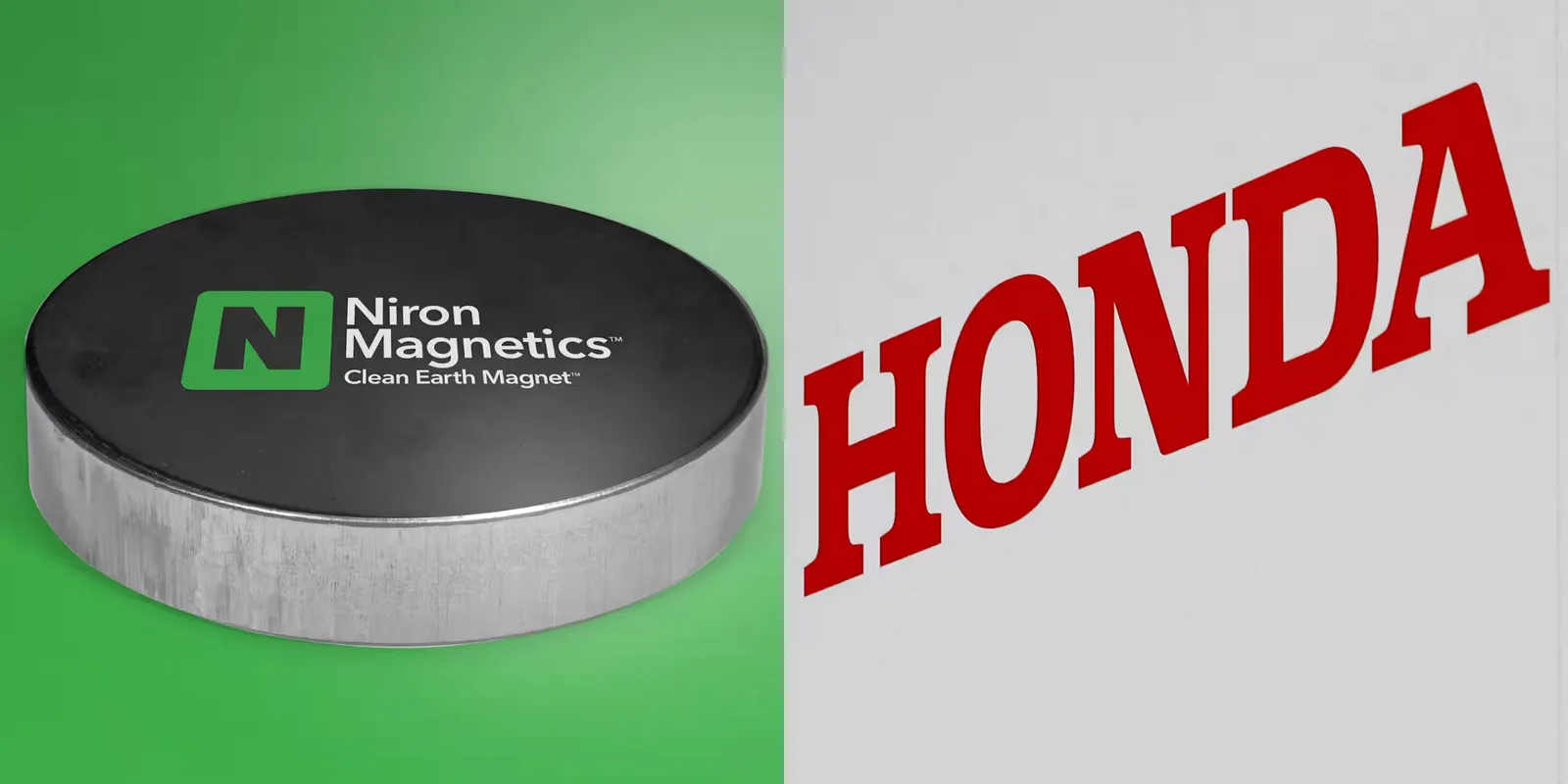
Honda has invested in Niron Magnetics, a startup developing permanent magnets without rare earths. The move gives Honda a hedge against China's dominance of rare-earth supply, a critical vulnerability for EV makers.
Honda has invested in Niron Magnetics, a startup building permanent magnets without rare earths. The move is a direct bet on breaking the supply chain grip that China holds over the critical materials used in electric vehicle motors. Financial terms were not disclosed, but the strategic signal is loud: one of the world's largest automakers is putting capital behind a technology that could rewrite the magnet supply chain.
The investment matters because rare-earth magnets are the workhorse of EV powertrains, wind turbines, and consumer electronics. Neodymium and dysprosium, two rare-earth elements, are essential to the high-performance permanent magnets that convert electrical energy into motion. China controls the vast majority of rare-earth mining and refining, giving it outsized leverage over global supply chains. For Honda, backing a rare-earth-free alternative is a hedge against export controls, price spikes, and geopolitical disruption that have repeatedly rattled manufacturers.
Niron Magnetics is developing magnets that rely on more abundant materials, aiming to match the performance of traditional rare-earth magnets without the supply chain risk. The company's technology has attracted attention from automakers and industrial players looking to de-risk their sourcing. Honda's investment adds a major automotive name to that list, validating the startup's approach and giving it credibility as it scales from lab to production.
The deal comes as automakers race to secure raw materials for their electric vehicle transitions. Battery metals like lithium and nickel have dominated the conversation, but magnets are equally critical. A rare-earth-free magnet that performs at scale would give automakers more negotiating power and reduce exposure to a concentrated supply chain. It would also insulate them from sudden policy shifts, such as export quotas or tariffs, that can disrupt production overnight.
China has historically used rare-earth export restrictions as a lever in trade disputes. In 2010, a dispute with Japan led to a sharp reduction in rare-earth exports, sending prices soaring and forcing manufacturers to scramble for alternatives. That history makes the search for substitutes a strategic priority, not just a cost exercise. Honda's investment signals that the company sees materials innovation as a core part of its long-term EV strategy, alongside battery development and manufacturing scale-up.
For the broader industry, the bet on Niron is a reminder that the next competitive advantage in EVs may come from materials science, not just software or battery chemistry. If rare-earth-free magnets reach commercial viability, they could lower costs, improve supply security, and shift the balance of power in the magnet market. Suppliers that currently dominate rare-earth processing would face a new competitive threat, while automakers and electronics makers would gain a valuable alternative.
The strategic stakes extend beyond Honda. Every automaker, wind turbine manufacturer, and electronics maker that relies on rare-earth magnets faces the same vulnerability. Watching whether Niron's technology scales is now a board-level concern for supply chain executives. The lesson is clear: resilience in critical materials is no longer a procurement issue, it is a competitive advantage. Honda's investment is a bet that the future of magnets is not written in rare earths, and that the companies that move early will be the ones that set the terms.
This story's Key Insights and Take-aways are locked.
Create a free account to unlock Executive Actions for one credit.
Register to UnlockAlways free for Executives Club members. Join the Club
More in Business
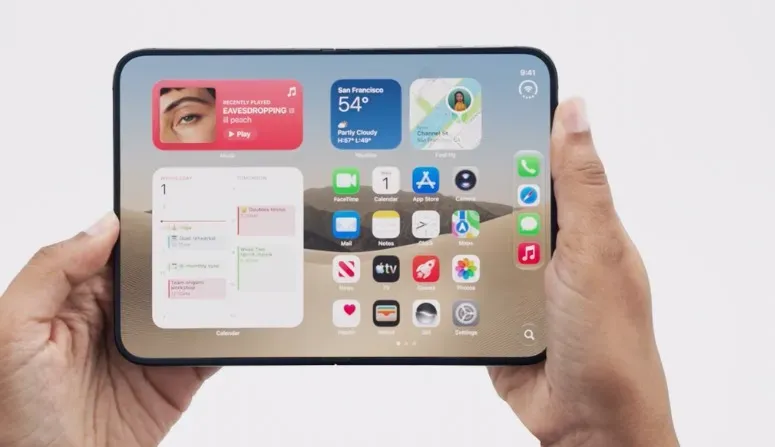
Apple unveils first foldable iPhone Duo with 7.6-inch display under new CEO Ternus
Apple's first foldable, the iPhone Duo, marks a major product bet for new CEO John Ternus, with a 7.6-inch unfolded screen.
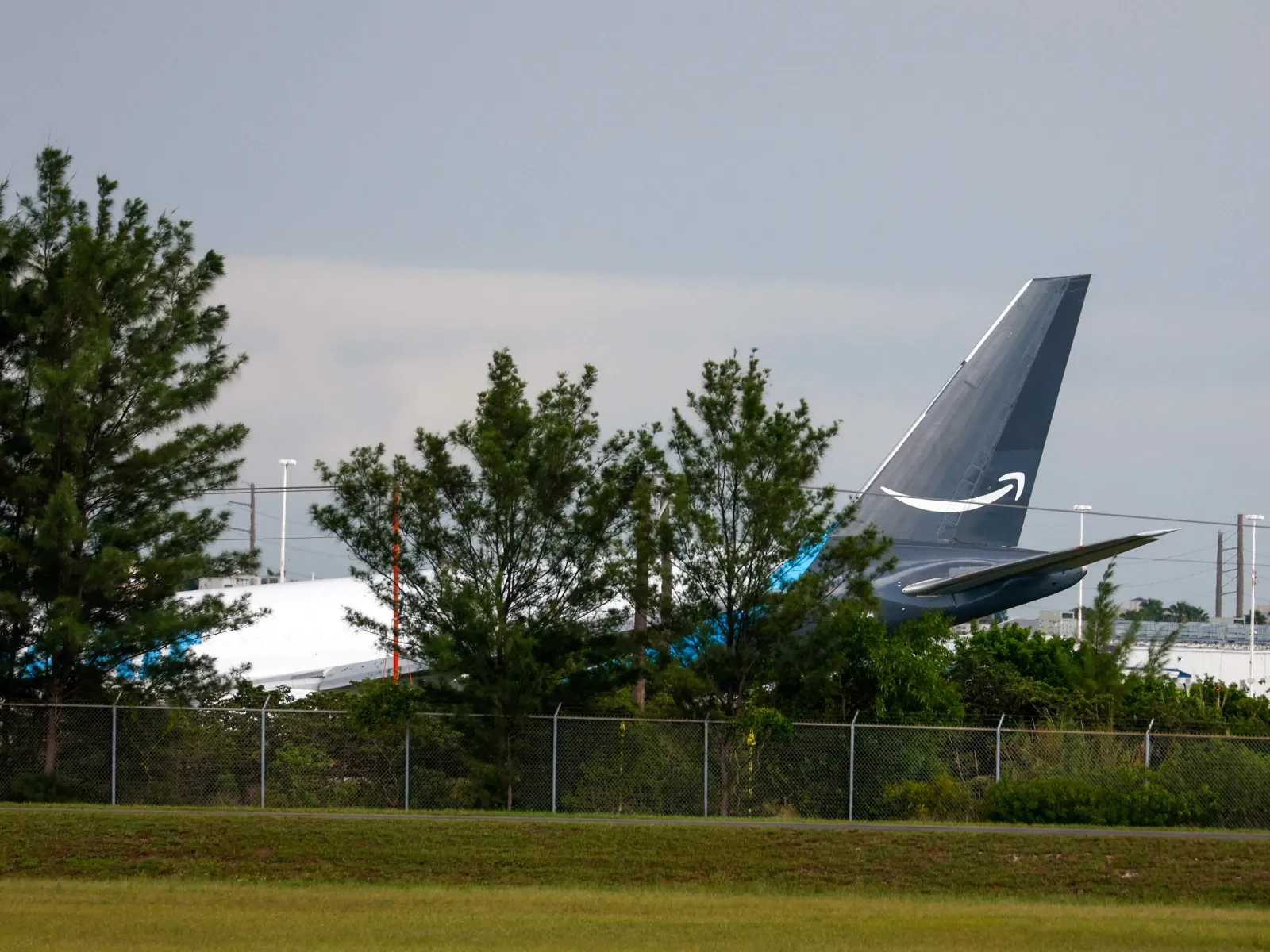
Amazon Prime Air 767 overshoots Miami runway, killing at least 5
The Boeing 767 freighter from San Juan struck vehicles and erupted in flames, prompting a ground stop and a fresh NTSB investigation into Amazon's air cargo network.

Death sentence for TV presenter Sarah Khalifa: Egypt's drug case hits media
The sentencing of Sarah Khalifa and 11 others underscores the severity of Egypt's anti-drug laws and the exposure of public figures to capital punishment.