

Hong Kong’s IPO boom hits a performance snag as pre-debut runups flip after listing
CNBC reports more Hong Kong IPOs disappoint post-listing, raising tough questions about pricing, momentum, and investor protection.
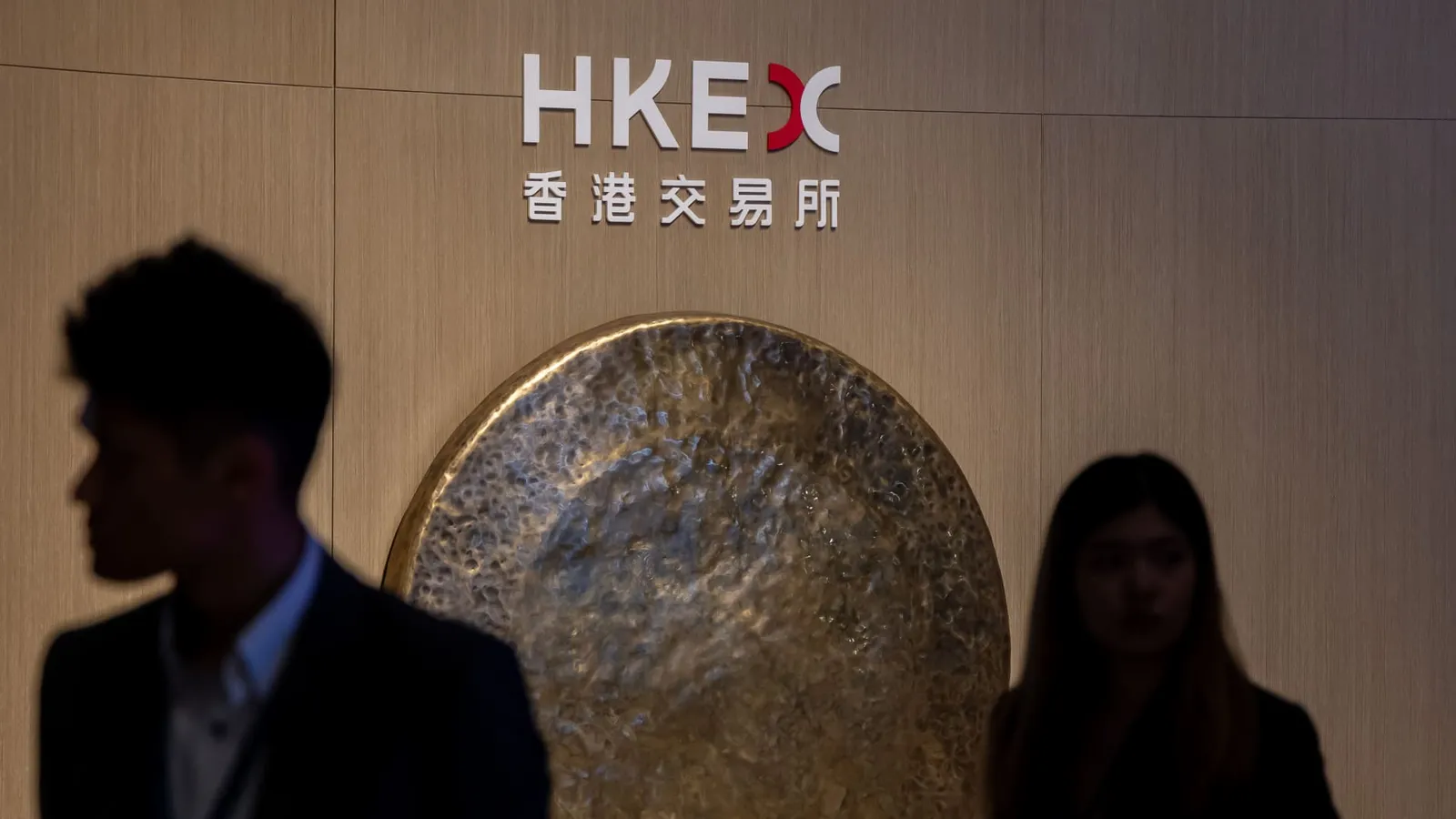
Hong Kong is pushing hard to rival Wall Street as the top IPO market, but CNBC flags a growing performance problem: pre-debut runups are turning sour after companies list. For decision-makers, that shift increases reputational, capital-market, and governance risk when momentum trades are mistaken for durable fundamentals.
Hong Kong’s IPO boom is running into an uncomfortable reality: a growing number of pre-debut stock runups are turning sour once the companies actually list, according to CNBC. The headline is blunt, but the implication is bigger than a few disappointing first prints. When early trading enthusiasm flips into post-listing weakness, it can change how investors, underwriters, and issuers think about what “success” really means.
On paper, Hong Kong has plenty of reasons to chase Wall Street’s throne. An IPO wave brings fees, liquidity, publicity, and leverage. It also signals that capital is flowing and that companies want to raise money in Hong Kong instead of elsewhere. But CNBC points to a pattern: pre-debut runups, which often reflect anticipation and speculation before official trading begins, do not consistently translate into strong post-debut performance. That disconnect is the performance problem developing alongside the IPO boom.
To understand why this matters, you have to understand the mechanics of IPO excitement. In many markets, the period leading up to a listing can attract traders who are betting on the story, the spotlight, and the “coming scarcity” of shares. That can create momentum before the market has had a chance to fully evaluate valuation, business quality, or realistic growth assumptions. Then, once the listing lands and broader liquidity meets a wider set of investor perspectives, pricing and expectations can re-rate quickly. CNBC’s framing suggests Hong Kong is seeing more of these reversals in the post-listing phase.
This is where incentives start tugging in different directions. Underwriters and issuers benefit when demand is high, the book looks oversubscribed, and the trading debut catches attention. But demand driven primarily by momentum can be fragile. If pre-debut enthusiasm does not align with fundamentals, you can end up with a setup where early gains are hard to defend. The result is not just volatility. It can be a credibility issue for the deal process itself.
Regulatory context also shapes how this plays out. IPO markets live in a world where regulators are trying to balance two things: encouraging listings and maintaining confidence that the process is fair and information is accurate. When a market starts to feel like it is rewarding hype more than substance, scrutiny tends to rise. That scrutiny can take many forms, from more attention to disclosure quality to tighter focus on marketing and communications. Even without any specific new rule named in the source, CNBC’s observation of a performance problem implies a market signal that regulators, investors, and market makers will likely treat seriously.
There is also a governance angle that executives cannot ignore. Boards typically review deal terms, timing, and disclosures, but they do not control how every trader will behave once shares hit the tape. Still, board-level due diligence matters because it influences the credibility of the valuation narrative. If pre-debut runups are repeatedly followed by weaker performance after listing, executives may find themselves facing tougher investor questions. Those questions are not always about the company’s operations alone. They can also be about whether the market was properly prepared for what the IPO represents.
For decision-makers, the second-order impact is straightforward: when the market punishes post-listing performance, the next deals become harder to price and more sensitive to sentiment. Investors may demand higher transparency, clearer guidance, and more conservative valuation assumptions. Underwriters may adjust positioning. Issuers may delay. Even if the IPO pipeline remains active, the quality of demand can matter as much as the quantity. CNBC’s point is that Hong Kong is competing for the role of top IPO market, but an expanding performance gap between pre-debut excitement and post-listing reality can undermine that competition.
Peers watching from the sidelines should take the lesson seriously. An IPO market does not just need listings. It needs repeatable outcomes that investors feel good about after the adrenaline fades. If Hong Kong wants sustainable leadership versus Wall Street, the market will likely need more consistency between the runup and the debut, and fewer situations where early enthusiasm turns sour once the broader investing public gets its say.
This story's Key Insights and Take-aways are locked.
Create a free account to unlock Executive Actions for one credit.
Register to UnlockAlways free for Executives Club members. Join the Club
More in Business

Anthropic’s Levant Alpöge cracks the Jacobian conjecture after 87 years
A Harvard valedictorian used Claude to hit a 1939 breakthrough, but the missing “why” is the real problem.

Uber buys Delivery Hero for nearly $15B, vaulting to top food delivery outside China
The deal doubles Uber's dual-services footprint and pushes a ride-and-eats bundling play into 50 more markets.

Epic and Google drop settlement bid, forcing rival Android app stores by July 22
Google told the court it is ready to carry third-party app stores starting Wednesday, July 22.