
Honor Magic V6 claims three foldable “firsts”, but the biggest win is battery life
The thinnest Honor foldable yet goes after creases, water resistance, and endurance. The tradeoff: only one feels truly new.
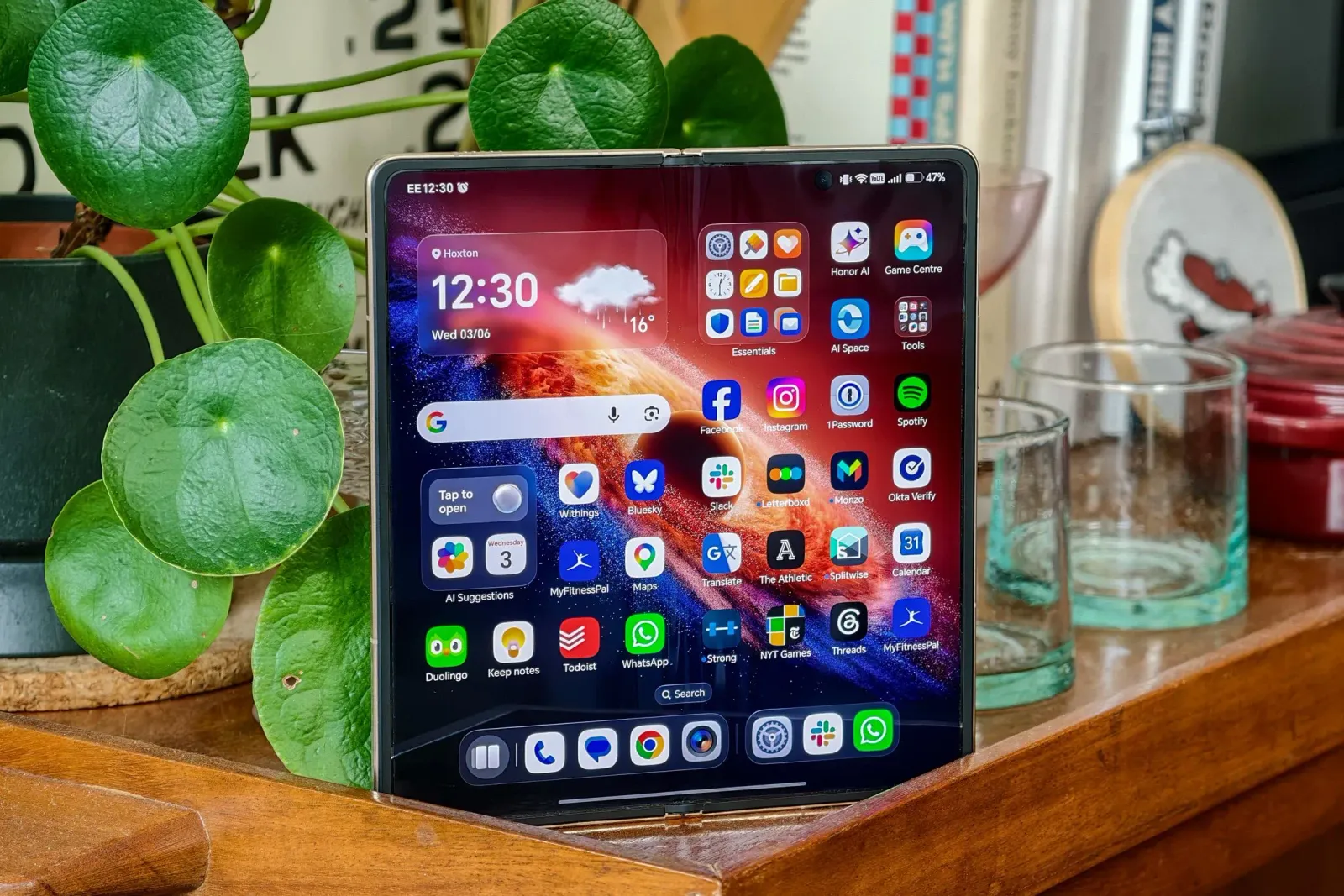
Honor’s Magic V6 arrives with claims of three foldable firsts: it is the thinnest Honor foldable yet, it has the biggest battery, and it offers the best water-resistance Honor has delivered in a foldable. For decision-makers watching where premium foldables are heading, the Magic V6 highlights which improvements buyers actually feel.
Honor’s Magic V6 lands with a familiar foldable pitch, but it tries to win on three axes at once: thickness, battery, and water resistance. The crease is still “not quite invisible,” and that matters, because it is the one visual reminder that foldables remain a compromise, even when their hardware is otherwise flagship-grade.
On paper, the Magic V6 sounds like a tremendous leap forward for foldable phones. It is the thinnest Honor foldable yet, it packs the biggest battery, and it claims the best water-resistance ever for the category. In practice, the review lands on a blunt takeaway: only the bigger battery feels like a meaningful improvement. The rest of the upgrades are described as only fractionally better than what came before.
That split between specification and lived experience is where the bigger story sits. Foldable phones have moved from “proof that it can work” to “convince people it is worth paying for.” And as quickly as manufacturers iterate, it is getting harder to make a foldable stand out. The review points out that even last year’s offerings still read like complete flagship phones, just with a screen that folds. That is great for baseline performance, but it compresses the space where a foldable can differentiate, especially for customers who are tired of being the beta testers.
Honor’s situation is not entirely about its execution. The source frames the problem as industry-wide. It is not that foldables are stagnant, it is that the market is normalizing the core flagship experience. When most of the “must-have” specs get to a similar level, incremental foldability features do not automatically feel revolutionary. Even features that sound dramatic in a spec sheet can land as “fractionally superior” if the underlying user experience does not shift enough between generations.
To understand why that is a problem, look at what actually did stand out in the past: Huawei’s Pura X Max. The review says it stood out for an odd new aspect ratio, and it adds that Honor is likely not alone in this strategy. The expectation is that both Samsung and Apple are set to replicate that approach later this year. That is a subtle but important signal for decision-makers. If the industry cannot keep winning on crease quality, thickness, or water resistance alone, it will chase differentiation through display behavior and form factor quirks that are easier to notice in daily use.
Then there are the fold categories themselves. The review briefly nods to the “trifolds,” which have been a parallel lane of experimentation. But even trifolds will face the same differentiation trap. Once the device is good enough that you trust it, the question becomes: what is meaningfully different, not just “new on paper”? If improvements are incremental, the market will reward the foldable that most clearly reduces pain points and uncertainty. The source suggests that battery life may be one of the few areas where consumers consistently notice the upgrade, because it changes how often you have to think about charging.
Water resistance is another spec that sounds like a big deal for risk reduction, especially for people who carry phones through busy days. Yet the review’s conclusion implies that better water resistance did not move the needle the way the battery did, at least not in the measured comparison. That does not mean the feature is useless. It means that when multiple improvements arrive together, the one that improves day-to-day behavior tends to dominate the perception of the whole product.
Strategically, the Magic V6 is a case study in why foldable roadmaps are getting sharper. Manufacturers need to decide which improvements to prioritize because differentiation is not automatic anymore. For peers, the lesson is not simply “bigger battery wins.” It is that the product has to deliver at least one truly felt upgrade, while the rest of the package should be enough to close the gaps without expecting every spec to feel equally transformative. In a market where flagship performance is quickly becoming table stakes, the foldable that wins will be the one that most clearly turns tradeoffs into benefits, starting with the upgrades customers feel every day.
This story's Key Insights and Take-aways are locked.
Create a free account to unlock Executive Actions for one credit.
Register to UnlockAlways free for Executives Club members. Join the Club
More in Technology

Nvidia's $89B data center quarter: the 9 companies cashing in
The AI buildout is minting fortunes beyond GPUs, and memory, cloud, and cooling suppliers are riding the same wave.
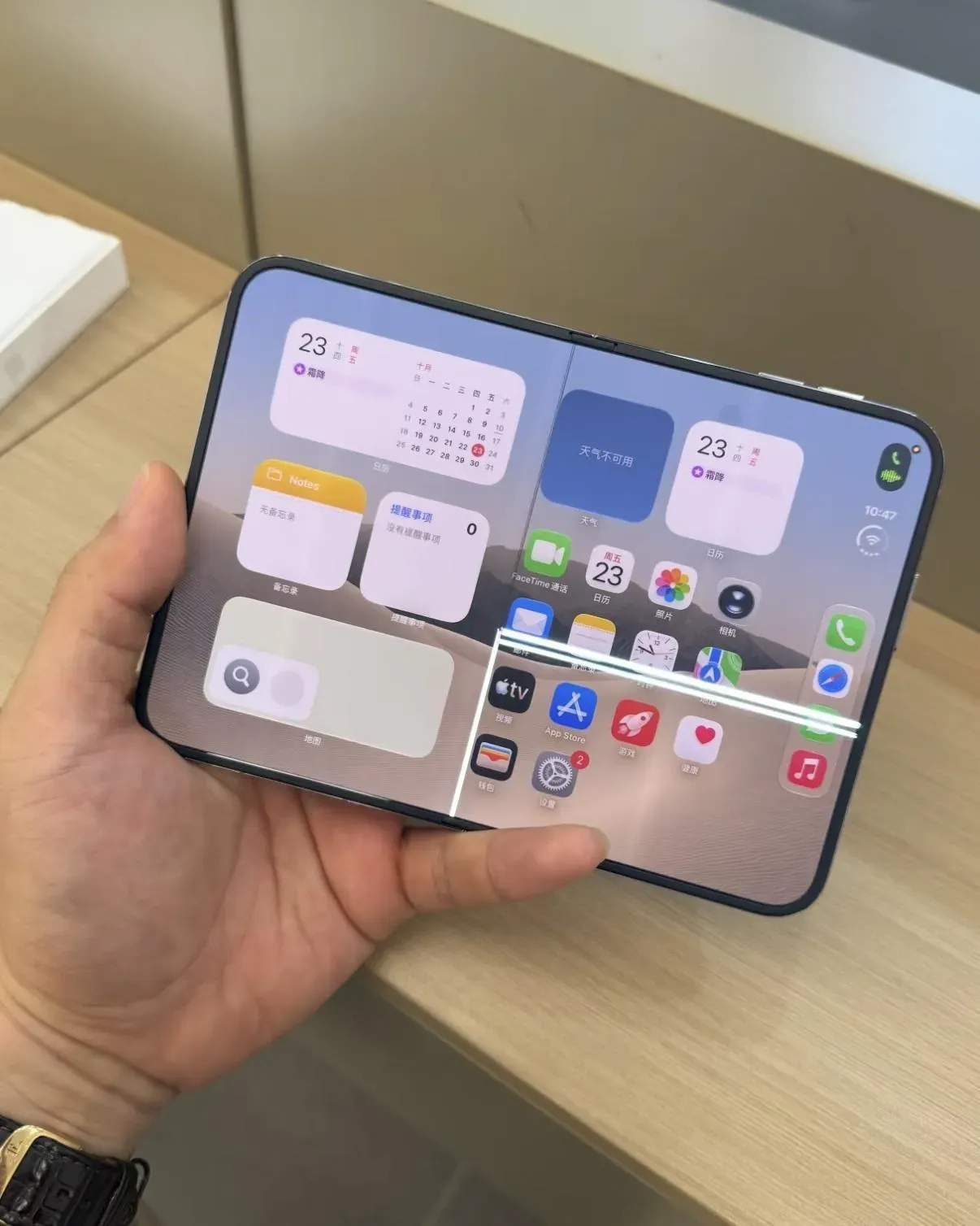
A YouTuber dissected the iPhone Duo and thinks he found crackgate's cause
CuriousHagi's teardown of Apple's foldable reveals a gear-like hinge that may explain why screens crack in the same spot within hours.

Google quietly links your phone number to every Android account on your SIM
Adding a SIM now ties your phone number to all Google accounts - and future accounts inherit it. Here's the security and privacy stakes.