

imec expands 300mm RF interposer to 325GHz, aiming to make 6G hardware cheap enough
Lower signal loss up to 325GHz and new manufacturing capabilities move 6G from demos toward deployable, scalable chip production.
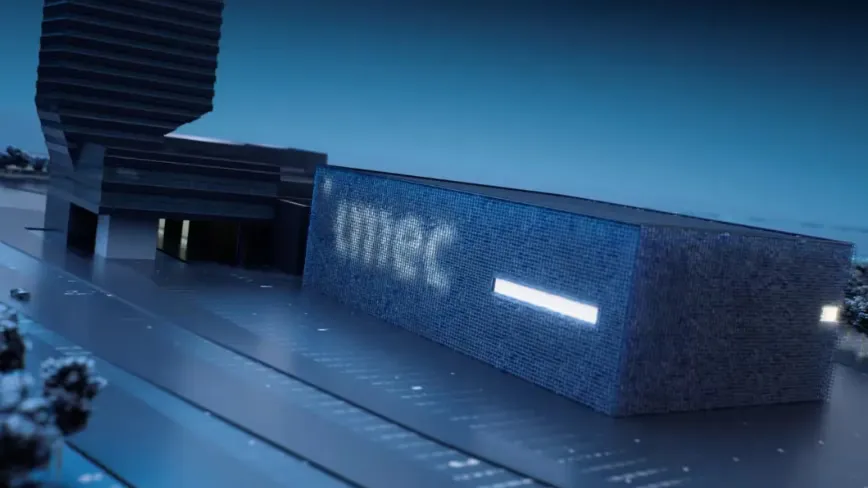
imec, the Belgian semiconductor research institute working with more than 600 chip industry players, expanded its 300mm RF silicon interposer platform with three new manufacturing capabilities. The update delivers record-low signal loss at frequencies up to 325GHz, bringing millimeter-wave and sub-terahertz 6G chip production closer to commercial viability.
imec just pulled a key 6G lever: it expanded its 300mm RF silicon interposer platform so it works at frequencies up to 325GHz, and it says the platform could make 6G hardware cheap enough to actually deploy. That matters because 6G is not just about “new spectrum.” It is about whether companies can manufacture radio-frequency hardware that performs at extreme frequencies while still hitting cost targets that let networks scale. In other words, the question is not only “can it transmit at 325GHz?” It is “can you build enough of it, reliably, without blowing up the unit economics.”
The headline number here is 325GHz, and the platform’s reported edge is “record-low signal loss” at frequencies up to that level. imec’s interposer approach is built to connect radio-frequency components with high precision, and it is now covering the millimeter-wave and sub-terahertz bands that 6G systems depend on. If signal loss is low at these ranges, it reduces the performance penalty that typically makes ultra-high-frequency designs harder to scale. For decision-makers, this is the difference between laboratory performance and engineering paths that vendors can actually manufacture.
To understand why a silicon interposer platform is a big deal, zoom out one level. 6G hardware is expected to rely heavily on millimeter-wave and sub-terahertz communication links. Those frequencies can deliver high data rates, but they also amplify practical issues like attenuation, component integration complexity, and manufacturing sensitivity. Interposers are one way to integrate RF functions more effectively than older layouts, but they need manufacturing maturity at volume-friendly wafer sizes. That is where the “300mm” detail matters: it signals a push toward wafer-scale processes that can be compatible with mainstream semiconductor manufacturing infrastructure, rather than staying trapped in smaller-lot research formats.
According to the report, imec’s platform expansion includes three new manufacturing capabilities. While the excerpt does not list the exact capabilities by name, the direction is clear: new process capabilities designed to improve manufacturability and performance so 6G chip production gets closer to commercial viability. In practice, this is how ecosystems de-risk. When a research institute that works with a large industry coalition updates a platform with additional manufacturing capabilities, it does not just advance physics. It creates a more usable reference path for partners who build products on top of those building blocks.
imec is not operating in isolation. The institute partners with more than 600 chip industry players, which tells you something important about incentives. A broad partner network means the platform is likely shaped by recurring bottlenecks that industry keeps running into: yield, repeatability, integration complexity, and performance under real manufacturing tolerances. For boards and investors tracking the 6G supply chain, that collaboration structure is a signal that the work is intended to be actionable, not just publishable.
There is also a regulatory and deployment angle that often gets ignored when people talk about “next-generation connectivity.” Regulators and spectrum holders typically handle the radio spectrum side, but network rollout still depends on device affordability and supply reliability. Even when spectrum is available, if hardware costs stay too high, deployment drags. The source’s phrasing is explicit about what imec is aiming for: making 6G hardware cheap enough to actually deploy. That cost framing is the bridge between technical capability and commercial adoption.
Second-order, this kind of platform progress can reshape procurement decisions. If partners can use a 300mm RF silicon interposer approach that supports up to 325GHz with record-low signal loss, suppliers and OEMs can plan more confidently for integration and manufacturing timelines. It can also influence where engineering teams focus their attention. Instead of treating performance at sub-terahertz frequencies as a perpetual “one-off” challenge, teams can treat it as a design target backed by a maturing manufacturing platform.
Strategically, imec’s move is a reminder that 6G is not a single invention. It is a supply chain of components, processes, and integration methods that need to line up. When a major research institute extends its interposer platform to cover millimeter-wave and sub-terahertz and improves record-low signal loss at frequencies up to 325GHz, it tightens the feedback loop between device design and manufacturing reality. For executives deciding where to allocate capital and engineering bandwidth in the next cycle, that tightening is the point: it reduces the chance that “future performance” stays stuck behind “future manufacturing,” and it brings deployment timelines into sharper focus.
This story's Key Insights and Take-aways are locked.
Create a free account to unlock Executive Actions for one credit.
Register to UnlockAlways free for Executives Club members. Join the Club
More in Technology

Nvidia's $89B data center quarter: the 9 companies cashing in
The AI buildout is minting fortunes beyond GPUs, and memory, cloud, and cooling suppliers are riding the same wave.
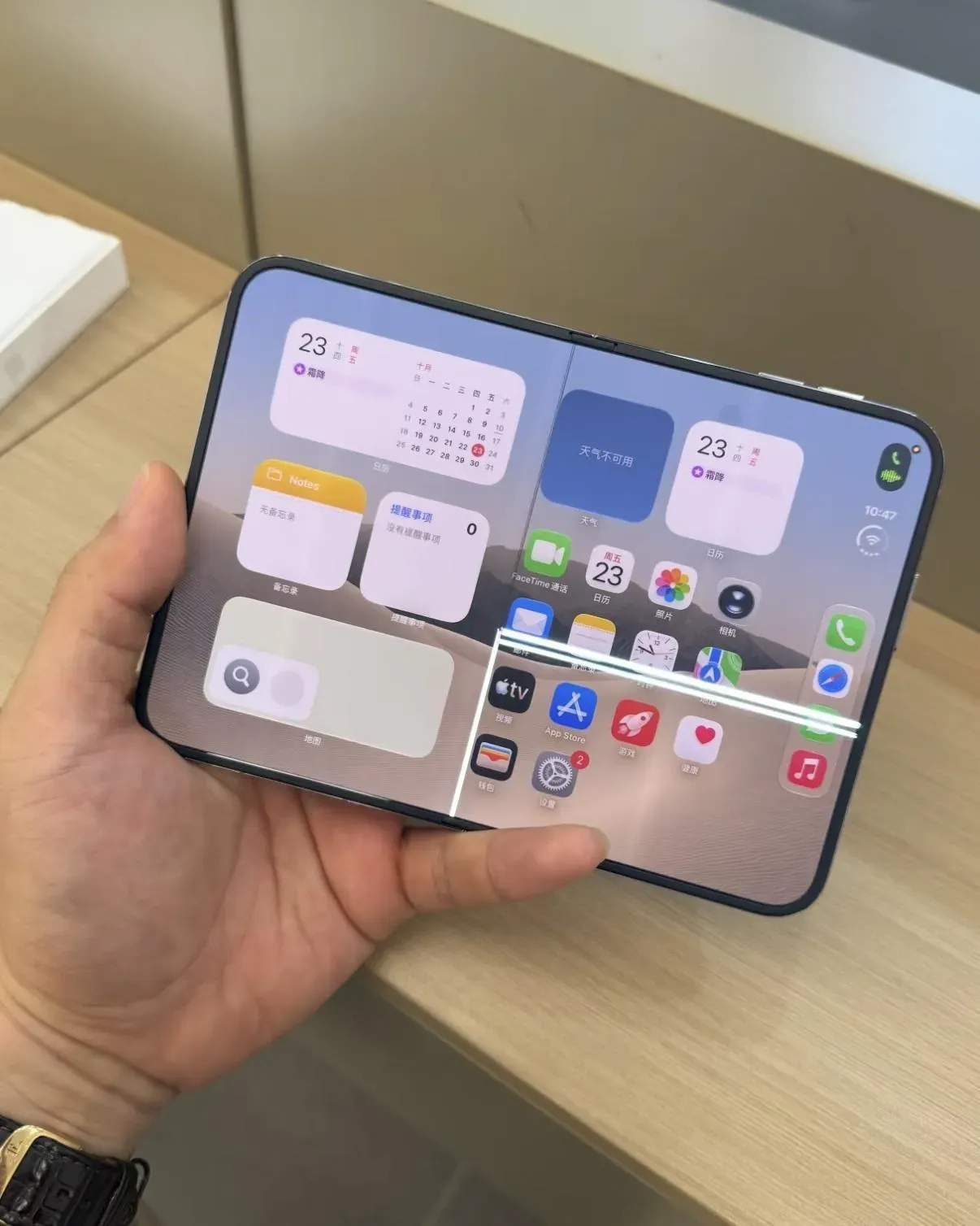
A YouTuber dissected the iPhone Duo and thinks he found crackgate's cause
CuriousHagi's teardown of Apple's foldable reveals a gear-like hinge that may explain why screens crack in the same spot within hours.

Google quietly links your phone number to every Android account on your SIM
Adding a SIM now ties your phone number to all Google accounts - and future accounts inherit it. Here's the security and privacy stakes.