
Intel's new CEO cut management layers in half. Stock up 500%.
How Lip-Bu Tan's brutal candor and capital-raising blitz turned a $50B debt crisis into a comeback story in 13 months.
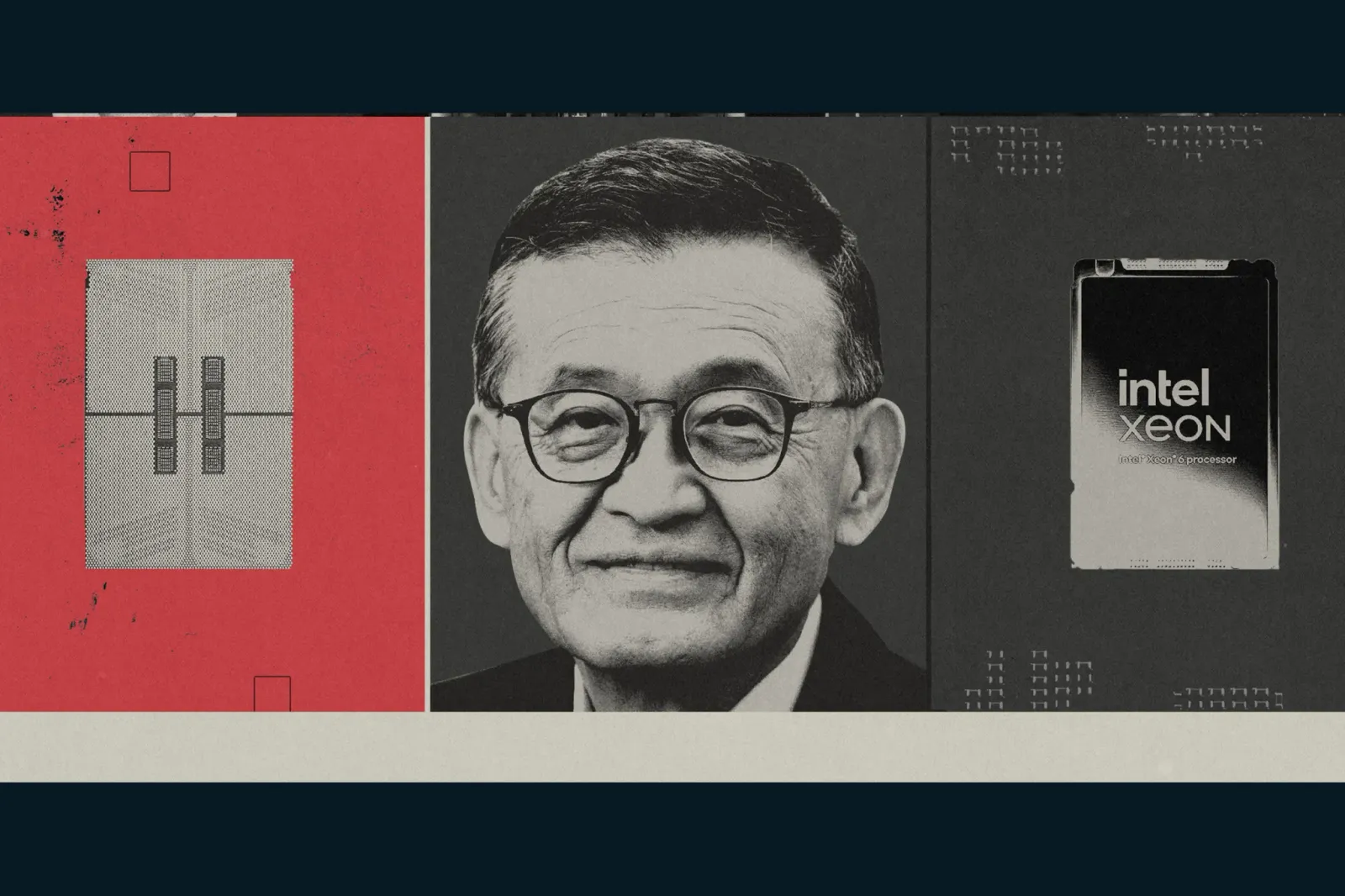
Intel CEO Lip-Bu Tan slashed management layers from 12 to 6 and raised billions from Nvidia, SoftBank, and the U.S. government, reversing a two-decade decline. For executives, the turnaround shows how radical transparency and capital structure repair can revive even the most entrenched corporate cultures.
When Lip-Bu Tan took the helm of Intel in March 2025, the company was a Silicon Valley cautionary tale. It had missed the mobile revolution, fumbled the AI era, and carried $50 billion in debt. By early 2025, analysts questioned whether Intel could survive as a going concern. Thirteen months later, the stock is up nearly 500%. The turnaround is not just a financial story; it is a case study in how a new CEO can use brutal candor, a deep network, and a willingness to sell noncore assets to reverse a two-decade decline. Tan, a longtime semiconductor veteran, became Intel's third CEO in six years and the sixth since legendary cofounder Andy Grove left the post in 1998. He inherited a company that had become defined by its debt load and a culture of filtered information. "There was a large recognition that we needed to right the balance sheet," CFO David Zinsner told Fortune, "but not a lot of clarity on how we were going to do that." Tan's first move was to attack the balance sheet. He sold off noncore parts of the business and tapped what Zinsner calls his "incredible network" to raise capital. The results were swift: billion-dollar investments from Nvidia and SoftBank, plus a headline-grabbing deal that allowed the Trump administration to convert a scheduled $8.9 billion grant into an equity stake for the federal government. "The SoftBank endorsement was good; the U.S. government endorsement was great," Zinsner said, citing a halo effect that raised Intel's standing with creditors and investors. But money alone could not fix Intel's deeper problem: corporate complacency. To combat it, Tan sought to impart a spirit of candor. He cut Intel's management structure from 12 layers to six, a move that flattened the hierarchy and forced executives to hear directly from people at all levels of the company. He put an end to a pervasive practice where managers filtered only good news to the C-suite. "If there's a problem and you tell me about it early, it's our problem, and we've got to fix it. If you have a problem, and you don't tell me, it's your problem," Tan told everyone at Intel upon his arrival, Zinsner recalls. The cultural shift was immediate. For all the rapid progress, Intel still needs to prove its chips can compete. Bernstein analyst Stacy Rasgon was blunt: "They got fat, dumb, and lazy, and got their ass handed to them." Nvidia and TSMC became the leaders of the AI era while Intel mostly watched from the sidelines. Under Tan, however, Intel has been getting a bigger piece of the AI boom. Part of this has been a matter of luck, Rasgon explains: an insatiable demand for memory to support AI functions has led companies to find more uses for Intel's traditional CPU chips. This has allowed Intel to sell huge amounts of existing inventory, helping to drive the surge in its share price. The company's real challenge is to prove it can still make the cutting-edge chips that once defined it. There are promising signs: Intel's closely watched efforts to build chips using its next-generation 14A manufacturing process are on track, a technological transition that could help the company woo more big-spending customers. Intel's design of chips for other companies, the other pillar of its business, got a big boost on recent reports that Apple may turn to the company again as a supplier. While it is too soon to say whether Intel will complete its comeback, it clearly has learned from past mistakes. According to Zinsner, Tan has largely departed from his predecessors' tradition of frequently quoting Andy Grove. He has, however, adopted and repeated one of Grove's most famous maxims: "Only the paranoid survive." For executives in any industry, the Intel story offers a playbook: fix the balance sheet first, flatten the hierarchy, demand candor, and let the market see the progress. The stock price will follow.
This story's Key Insights and Take-aways are locked.
Create a free account to unlock Executive Actions for one credit.
Register to UnlockAlways free for Executives Club members. Join the Club
More in Business

Anthropic’s Levant Alpöge cracks the Jacobian conjecture after 87 years
A Harvard valedictorian used Claude to hit a 1939 breakthrough, but the missing “why” is the real problem.

Uber buys Delivery Hero for nearly $15B, vaulting to top food delivery outside China
The deal doubles Uber's dual-services footprint and pushes a ride-and-eats bundling play into 50 more markets.

Epic and Google drop settlement bid, forcing rival Android app stores by July 22
Google told the court it is ready to carry third-party app stores starting Wednesday, July 22.