
James Franco teases alleged alien footage on TikTok, warning people try to stop him
The actor’s cryptic June TikTok posts raise a familiar question for brands and platforms: hoax, proof, or publicity play?
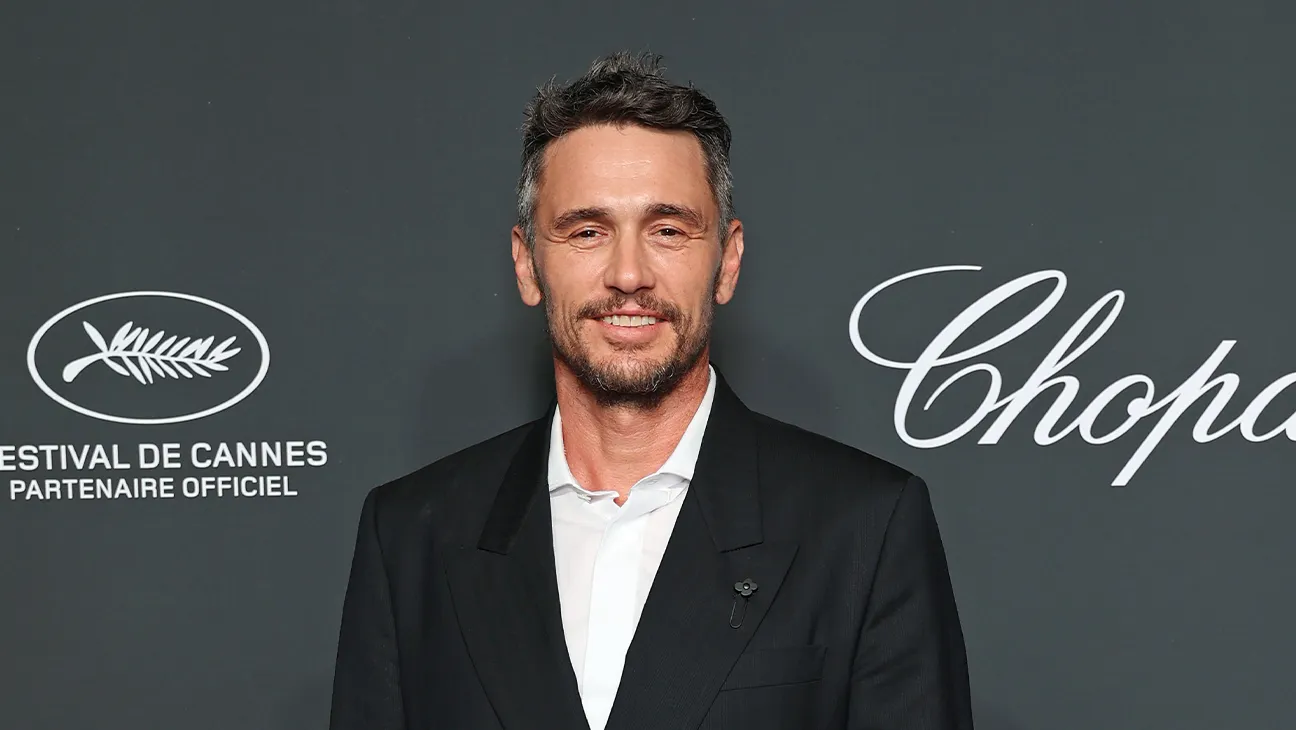
James Franco has been posting cryptic videos on TikTok since the beginning of June, teasing footage he claims shows an extraterrestrial encounter. For decision-makers, it is a live case study in how viral content, platform rules, and reputational risk collide.
James Franco has been posting cryptic videos on TikTok since the beginning of June, teasing footage he claims to have of an extraterrestrial encounter. In the posts, he says, “I need to get this out for that very reason that people are trying to stop me.”
That single line is doing heavy work. On one hand, it frames the uploads as urgent, suppressed evidence that must be revealed now. On the other hand, it reads like a deliberate hook for attention, the kind that keeps viewers watching because the payoff might be forbidden. Either way, the first-order event is simple and true: Franco is using TikTok as a megaphone to circulate alleged alien footage claims, and he is doing it with a sense of pushback.
For executives watching this, the bigger story is not whether aliens exist. It is how quickly a mainstream celebrity can turn a social media platform into a stage for a high-concept narrative. TikTok is built for immediacy, short-form suspense, and algorithmic amplification. When a celebrity posts cryptic content, the platform often rewards engagement, not verification. That is not unique to TikTok. But when the subject matter is an extraterrestrial encounter, the content tends to attract two different audiences at once: people who want proof, and people who want entertainment. That dual pull is exactly what turns posts into “events” rather than ordinary updates.
Now zoom out to incentives. Franco has every reason to keep the story moving. Cryptic teasers create repeated exposure, and repeated exposure increases the odds that someone else will share, discuss, or react. Even if the “alien footage” claim never resolves into something documentable, the posts still deliver value in the form of visibility and cultural momentum. Meanwhile, viewers have incentives too. Comment sections reward speculation. The more ambiguous the clip, the more theories can fill the gaps. In other words, the ambiguity is not a bug for the audience, it is the product.
That brings us to the reputational and platform-risk layer. Content platforms typically have rules about misinformation, deceptive behavior, and potentially harmful claims. However, the source here does not state what, if any, action TikTok has taken, nor does it provide details about verification, moderation decisions, or enforcement outcomes. What matters for leaders is the pattern: when viral content makes extraordinary claims, the story can rapidly become a governance test. Brands that partner with creators are also exposed because association travels faster than context.
If you are a board member or risk lead, the second-order effect is that “engagement-first” distribution can outpace “trust-and-safety” processes. Even without mentioning specific internal policies, the practical reality is that once a narrative takes off, it can be too late to shape the public interpretation with a formal clarification. The initial framing, especially a line like “people are trying to stop me,” can make the claim feel like a conflict story rather than a question. Conflict stories travel.
There is also a media ecosystem implication. The Hollywood Reporter headline itself signals that the entertainment press is treating the videos as an open question, not a settled fact. When mainstream outlets spotlight whether something is “real” or “trolling,” they extend the lifecycle of the content. That attention can further amplify the original posts, regardless of the answer. So the network effect here is circular: social engagement sparks press coverage, press coverage sparks more social engagement, and the ambiguity stays profitable.
For executives in the entertainment, creator economy, or consumer-tech world, this is a reminder that content strategy and governance strategy are now one system. You cannot treat viral claims as purely marketing. They are also operational decisions with legal, reputational, and community consequences. And because TikTok accelerates discovery, executives should assume the story will spread before internal review can finish.
So what is the strategic stake for leaders in similar roles? It is simple: if extraordinary claims can go viral without resolution, then your organization needs a playbook for ambiguity. That includes how to evaluate creator risk, how to communicate without escalating speculation, and how to coordinate with platform policy environments where enforcement may not be visible to outsiders. In a world where attention can outrun evidence, the real question is not only what Franco is showing. It is who can manage the uncertainty better when the internet decides the story before the facts catch up.
This story's Key Insights and Take-aways are locked.
Create a free account to unlock Executive Actions for one credit.
Register to UnlockAlways free for Executives Club members. Join the Club
More in Entertainment

12TB Steam 'teraleak' goes beyond Valve: GTA 3, Mafia 2 prototypes exposed
A 12-terabyte dump of Steam data reveals prototypes and builds of third-party classics like GTA 3 and Mafia 2, plus unreleased Valve content, rewriting game history.

LinkedIn's romance problem: 1 in 4 workers say dating on it is fair game
A new survey shows a quarter of U.S. employees treat the professional network as fair game for romance, even as LinkedIn bans it and removes hundreds of thousands of offending posts.

Enhypen's first No. 1 album breaks K-pop's Billboard 200 streak
The K-pop group's 98,000-unit debut tops the chart while Dolly Parton's catalog reentry shows how death reshapes streaming.