

Japanese pediatrics cut antibiotic prescriptions 20% with 800-yen incentives
The real driver is not just awareness, it is whether doctors feel pressure to “treat” viral symptoms.
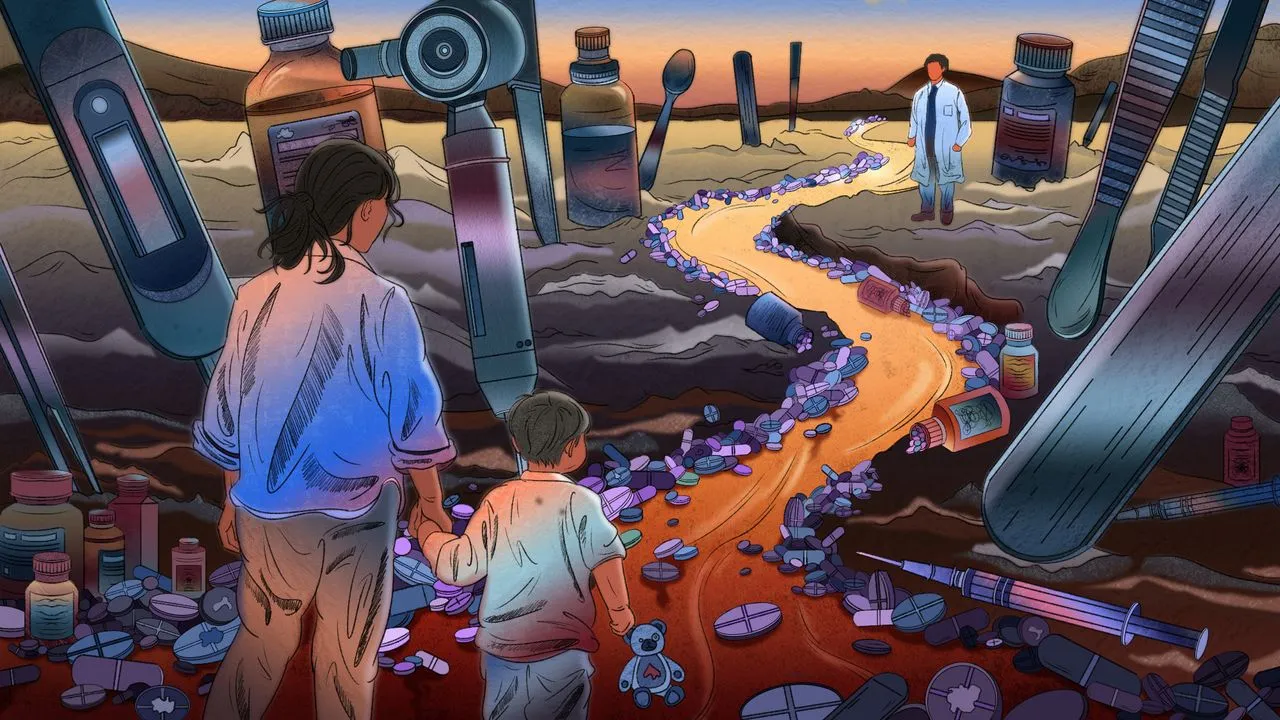
Japan’s government used a financial incentive of 800 yen (about $5) per visit to curb pediatric antibiotic overprescribing, cutting prescriptions for young kids by 20% and driving broader reductions. For decision-makers, the lesson is that stewardship programs often need to change clinic incentives and social expectations, not just educate.
On a Tuesday morning, the story sounds familiar: toddler cheeks flushed, runny nose, phlegmy breathing, and the quick reflex to “get something for that.” The twist is that most common childhood infections are caused by viruses, so antibiotics do not treat the underlying problem. Yet a prescription can still happen, because the clinic day is messy, parents worry about what might come next, and doctors face old habits that are hard to dislodge.
In Japan, policymakers decided to tackle that reflex directly with a financial incentive of 800 yen (about $5) per visit. The result was measurable and, more importantly, fast: among young kids directly affected by the incentive, Japan slashed antibiotic prescriptions by 20%. It also created a spillover effect in older groups, with under-20s seeing a 50% reduction in prescriptions in recent years. That’s the headline number. The question is why such a modest payment could move behavior where messaging alone often stalls.
Start with the baseline problem. From 2013 to 2016, over 30% of children with respiratory tract infections were given antibiotics in Japan, even though most of those infections are viral. The U.S. was somewhat better at the start: about 23% of outpatient prescriptions for respiratory conditions were unnecessary. But both countries were fighting the same biology plus the same human friction: antibiotics for viruses do not help patients, and they can still contribute to antibiotic resistance in bacteria over time, reducing the drugs' potency and fueling “superbugs.”
In Japan, older prescribing patterns were not just individual choices. They were embedded in training and in what doctors were taught to treat. Dr. Takemi Murai, deputy head of the Infectious Diseases Division at Nagano Children’s Hospital, told Live Science that, when he trained, “antimicrobial stewardship wasn’t yet a formalized part of the curriculum in the way it is now.” Finished in 2006, his perspective hints at a generational reset still in progress. Dr. Tatsuki Ikuse, a pediatric infectious disease specialist at the National Center for Child Health and Development in Tokyo, pointed to another generational layer: older doctors may have “experienced many cases of bacterial infections when there was no vaccination,” making bacterial risk feel more immediate. Now vaccines for whooping cough, diphtheria, and pneumococcal disease are routine, which lowers risk from those bacteria, but habits can outlive the assumptions that created them.
Then there is the clinic reality: feverish illnesses, inflammation markers, and “just in case” medicine. Historically, Japanese doctors had a strong bias toward prescribing antibiotics for “feverish” diseases, Dr. Norio Ohmagari, director of disease control and prevention at Japan’s National Center for Global Health and Medicine, told the outlet. Murai said that if doctors saw a fever and a high CRP level (a sign of inflammation), they prescribed antibiotics. “Doctors were following such a practice for a long time, so they didn’t question it.” This is how medical inertia works: it feels rational in the moment, but the system stops testing whether the rule still fits.
Parents add another force, not as villains, but as pressure. Ikuse said parents sometimes request antibiotics when drugs are not needed. He tries to convince them and “try not to prescribe antibiotics as much as possible,” but some doctors “cannot convince them and end up prescribing antibiotics.” In other words, the incentive program did not operate in a vacuum. It adjusted the equilibrium between caregiver anxiety and clinician default behavior. Live Science also described how parents’ lived experience differs across generations in both countries: Tatsuya Kanno, a software engineer and father of two in Tokyo, said he took antibiotics “quite often” when he was a kid and that nowadays they “don’t get really prescribed those antibiotics easily.” In Littleton, Colorado, Gabby Brown said it was different in her childhood: there was “always a bottle of pink stuff in the fridge,” but now pediatricians are “very hesitant to give it out.”
The other big driver is the worry about secondary infections. Even if doctors suspect a viral infection like the common cold, they may worry about bacterial pneumonia or other downstream complications. However, the report notes that recent studies suggest this preventive-antibiotics scenario is uncommon and should not prompt antibiotics in advance. That mismatch between fear and evidence is precisely where stewardship programs often get stuck: clinicians are not choosing resistance as a career plan, they are trying to reduce perceived immediate risk.
So what about the U.S., where leaders can argue they already improved? Dr. Sarah Kabbani, director of the CDC’s Office of Antibiotic Stewardship, told Live Science in an email that children’s unnecessary antibiotic prescriptions have “dropped dramatically.” Between 2011 and 2016, children’s antibiotic prescriptions decreased 13% overall, and declines in antibiotic use over the past decade were driven largely by reductions in prescribing for children. Japan also reduced outpatient prescription rates for patients under 20 by halving between 2011 and 2022, according to Dr. Yusuke Okubo, division chief of clinical epidemiology and health services research at the National Center for Child Health and Development in Tokyo. Importantly for executives watching healthcare operations, improvement is happening. The unresolved issue is that not all prescribed antibiotics are actually needed.
One operational clue from the U.S.: some pediatric clinics publish explicit policies stating they do not overprescribe antibiotics and follow evidence-based guidelines to determine when antibiotics are truly necessary. Combined with years of having the issue “on their radar,” that approach can standardize decision-making and reduce the room where fear and habit can win. The Japanese incentive approach suggests an additional lever: if you want stewardship to survive the exam-room pressure, you may need to change the incentives that shape default behavior, not just the education that shapes what clinicians should know. For healthcare leaders, boards, and quality teams, the strategic stake is straightforward: antibiotic resistance is a long game, but prescribing decisions happen in minutes. If you want better outcomes, you have to redesign the minutes.
This story's Key Insights and Take-aways are locked.
Create a free account to unlock Executive Actions for one credit.
Register to UnlockAlways free for Executives Club members. Join the Club
More in Business

Anthropic’s Levant Alpöge cracks the Jacobian conjecture after 87 years
A Harvard valedictorian used Claude to hit a 1939 breakthrough, but the missing “why” is the real problem.

Uber buys Delivery Hero for nearly $15B, vaulting to top food delivery outside China
The deal doubles Uber's dual-services footprint and pushes a ride-and-eats bundling play into 50 more markets.

Epic and Google drop settlement bid, forcing rival Android app stores by July 22
Google told the court it is ready to carry third-party app stores starting Wednesday, July 22.