

Jensen Huang says Nvidia already has N2X and N3X planned
Nvidia’s laptop-chip push is no experiment: Huang says the company is already charting multiple generations, aiming for voice-controlled computers and droids.
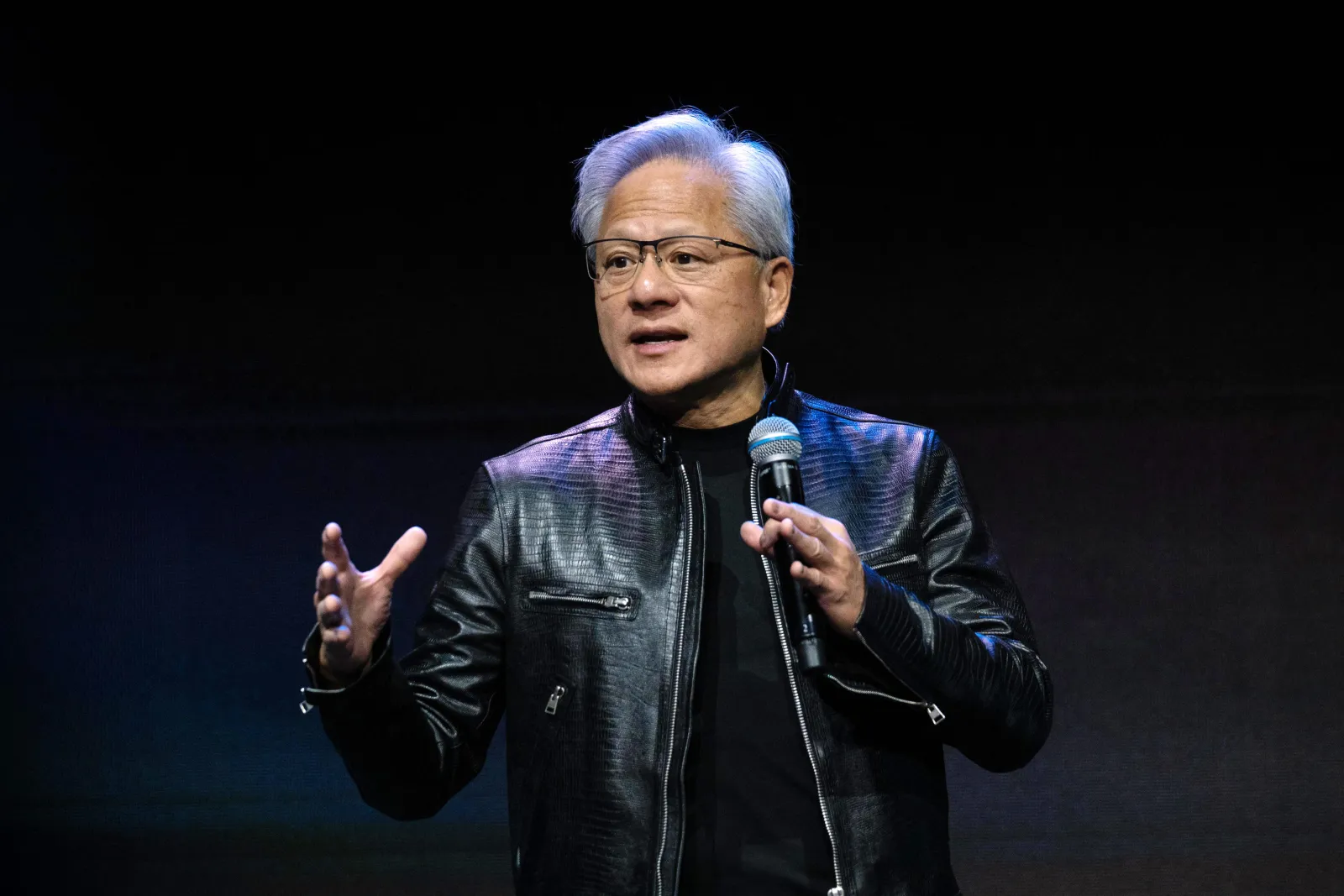
Jensen Huang, chief executive officer of Nvidia, said at Computex 2026 in Taipei that Nvidia has at least two additional generations of RTX Spark planned beyond the current chip. He framed the roadmap as a step toward voice-driven, Star Trek-like computers and Star Wars-like droids, which signals Nvidia is thinking well past a single product launch and into a longer platform fight.
Nvidia is not treating RTX Spark like a one-off curiosity. At Computex 2026 in Taipei, CEO Jensen Huang said the company already has at least two more generations planned, including N2X and N3X chips. That matters because it tells investors, rivals, and laptop-makers that Nvidia is not just testing whether consumers will buy a new kind of PC chip. It is committing to a multi-generation roadmap that could reshape how personal computers are designed, marketed, and used.
Huang also made the ambition plain. The eventual goal, he said, is to build Star Trek-like computers and Star Wars-like droids you can order around with your voice. In his words: "I want to talk to my laptop! I want R2-D2!" That is not a throwaway line. It is a blunt description of where Nvidia thinks computing is headed, and it shows why RTX Spark is supposed to be more than a hardware SKU. Nvidia wants the laptop itself to behave less like a passive machine and more like an interactive assistant.
For context, Nvidia is not merely known for consumer PC chips. The company built its reputation on GPUs, then expanded into the infrastructure that powers modern AI. A move into laptop chips puts Nvidia into a more familiar but still highly competitive consumer market, where product cycles, OEM relationships, and user experience matter just as much as raw silicon performance. The source frames Nvidia as the "fifth high-profile vendor of consumer laptop chips," which is a useful reminder that this is a crowded field, not a guaranteed win. If buyers bite, Nvidia gets a new front in its hardware business. If they do not, the company has still signaled that it intends to keep pushing.
The timing is also revealing. Huang said he started working with Microsoft CEO Satya Nadella "about three years" ago. That suggests this has been in motion longer than a flashy conference demo would imply. In other words, the plans are not being drafted on stage in real time; they have had years of behind-the-scenes development and coordination. For executives watching the broader AI and PC markets, that is the important signal. Nvidia is not just reacting to a trend. It appears to be building for a future in which AI-capable, voice-driven personal computers become a standard expectation rather than a premium novelty.
That has implications for competitors across the stack. Chipmakers have to decide whether to match Nvidia on consumer laptops, lean harder into their own AI features, or defend existing positions in the Windows PC ecosystem. Laptop makers will have to weigh whether a more conversational computer is enough of a selling point to justify changing roadmaps, branding, and component sourcing. And software partners like Microsoft have a stake too, because a computer that you can talk to only becomes compelling if the operating system and apps can actually respond in a useful way. Nvidia’s pitch is therefore not just about chips. It is about the interface between humans and machines.
There is also a strategic reason this matters now. In markets where everyone is chasing the same AI story, the companies that can turn capability into a user-visible product have an edge. "Voice-controlled laptop" is an easy concept to understand and market. It turns abstract model power into something people can picture using at their desk. That can be a powerful wedge if Nvidia can execute, especially because PC buyers often need a concrete reason to care about a new generation of hardware. Huang’s comments suggest Nvidia is trying to give them one: not just faster silicon, but a computer that behaves more like a collaborator.
For executives, the bigger lesson is that the line between infrastructure and consumer product keeps thinning. Nvidia is proving that an AI company can also be a PC company, and that a PC company now needs an AI story that reaches beyond benchmark charts. If Huang’s roadmap works, it could pressure rivals to think in platforms, not one-off launches. And if it does not, it still shows where the market is being pushed: toward machines that listen, respond, and maybe one day feel a lot less like laptops and a lot more like the Star Trek computer Huang is chasing.
This story's Key Insights and Take-aways are locked.
Create a free account to unlock Executive Actions for one credit.
Register to UnlockAlways free for Executives Club members. Join the Club
More in Business

Anthropic’s Levant Alpöge cracks the Jacobian conjecture after 87 years
A Harvard valedictorian used Claude to hit a 1939 breakthrough, but the missing “why” is the real problem.

Uber buys Delivery Hero for nearly $15B, vaulting to top food delivery outside China
The deal doubles Uber's dual-services footprint and pushes a ride-and-eats bundling play into 50 more markets.

Epic and Google drop settlement bid, forcing rival Android app stores by July 22
Google told the court it is ready to carry third-party app stores starting Wednesday, July 22.