
Jim Farley says Ford learned from quality and recalls, aiming for flawless launches
The CEO tells CNBC Ford is trying to turn hard-earned recall lessons into cleaner launches and steadier earnings.
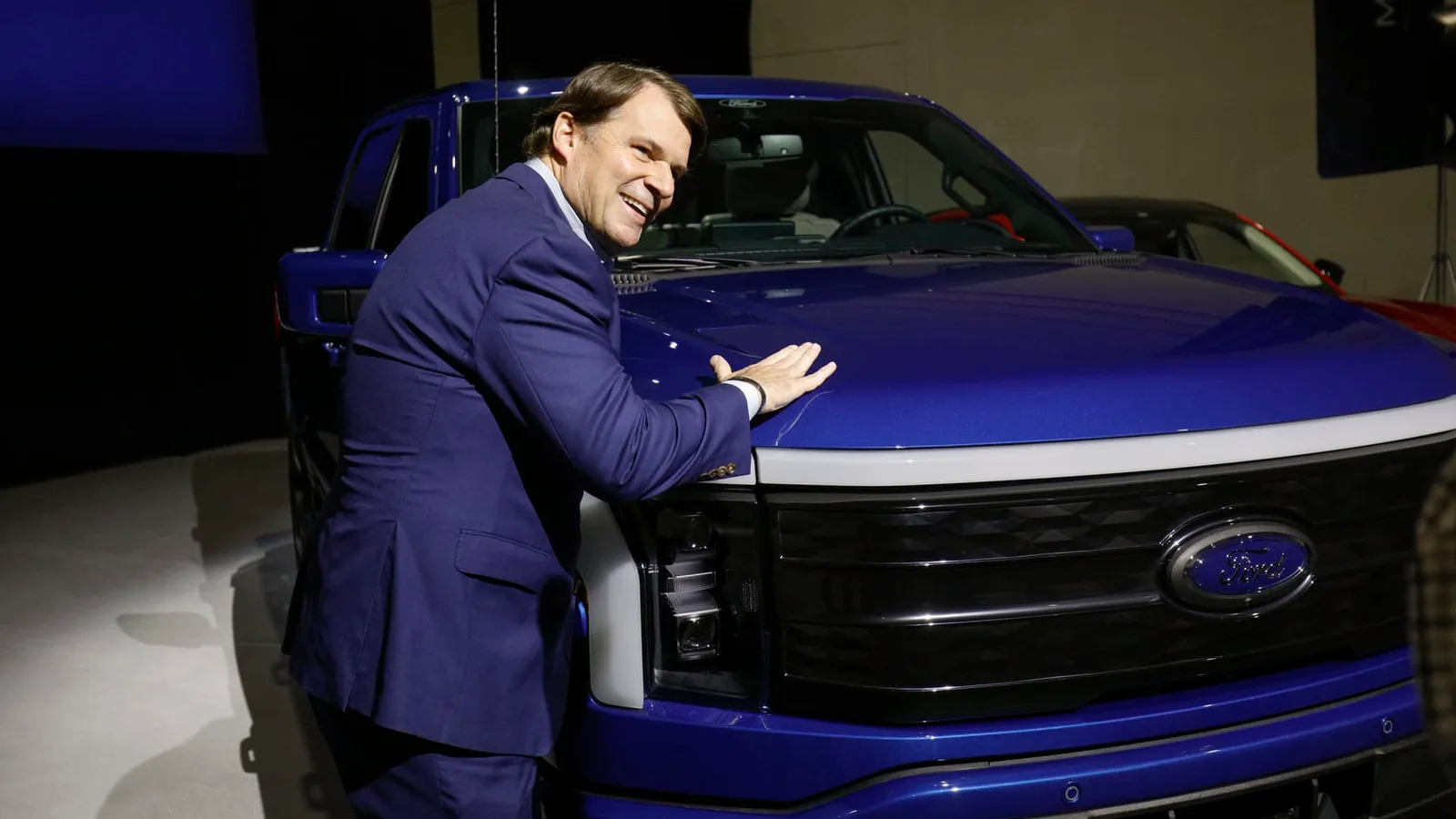
Jim Farley, CEO of Ford, told CNBC that the automaker has learned from its past quality and recall issues. For decision-makers, the message is about whether those lessons translate into fewer disruptions to earnings and reputation.
Ford CEO Jim Farley is framing the company’s next phase around one specific promise: Ford has learned from its past quality and recall issues, the problems that previously hurt earnings and stained its reputation, Farley told CNBC.
That is the core of the conversation. In other words, Ford is not treating quality as a “nice to have.” It is treating it as a financial and brand issue that can swing results and erode trust. Farley’s point is that what happened before is supposed to stop happening in the way that matters, during the moments that make or break a vehicle launch: manufacturing consistency, defect discovery speed, and the broader experience customers have after buying the product.
If you have ever watched a recall play out in the real world, you know why executives obsess over it. Recalls are rarely just a technical fix. They can force costly rework, create logistics pressure, and distract teams who should be focused on building the next model correctly from the start. They also carry a reputational hit that can outlast the spreadsheet impact, because customers and regulators remember patterns, not isolated incidents. Farley’s “we learned” framing signals that Ford’s leadership thinks the company’s prior quality and recall problems were not random events. They were systemic enough to affect earnings and brand perception.
This is also a board-level conversation, whether the boardroom admits it or not. When an automaker repeatedly runs into quality problems, the question becomes: did management change the system, or just patch the symptoms? Investors and directors care because quality failures can blur into multiple risk categories at once. There is direct financial strain, but there is also operational strain, warranty exposure, and the potential for regulatory attention. Even when a recall is ultimately resolved, the path to get there can affect long-term confidence in management execution.
Regulatory scrutiny is part of the background that makes “quality” such a high-stakes word in auto. Governments around the world set rules for safety and emissions, and they expect automakers to respond quickly when issues emerge. That creates a blunt incentive: companies want to avoid defects not only because customers deserve reliable vehicles, but because regulators can turn delays or missteps into more serious consequences. So when Farley says Ford learned from past issues, the subtext for executives is that the company is trying to reduce the odds of triggering that cycle again.
The other second-order effect is how quality pressures reshape the economics of product launches. A new vehicle launch is not just a marketing moment. It is the culmination of supply chain decisions, production ramp discipline, software and hardware validation, and final assembly quality controls. If a manufacturer misses the target during ramp, it can lead to slower sales, higher warranty costs, and internal resource triage. That triage matters because it can push attention away from other priorities, like continuous improvement in the next model year or the next generation platform.
Farley’s CNBC comments also land in a moment when automakers are competing for trust as much as they compete for cars. Customer expectations are higher than they used to be, and brand reputation is harder to rebuild once it is damaged. For a company like Ford, which has to balance massive manufacturing complexity with public scrutiny, the “reputation” component is not abstract. It affects how quickly buyers forgive and how easily a company can maintain momentum through the next product cycle.
So what should peers take from this? If you are a CEO, CFO, or board member at an automaker or any hardware-intensive company, the lesson is not that quality problems are inevitable. The lesson is that quality and recalls are management performance questions with direct earnings consequences. Farley’s statement is essentially a commitment to execution, and it is aimed at preventing a repeat of the earnings drag and reputation damage that came with Ford’s past quality and recall issues. The strategic stake is simple: if the company can convert learning into consistently better launches, it protects both the income statement and the brand equity that supports long-term demand.
This story's Key Insights and Take-aways are locked.
Create a free account to unlock Executive Actions for one credit.
Register to UnlockAlways free for Executives Club members. Join the Club
More in Business

Anthropic’s Levant Alpöge cracks the Jacobian conjecture after 87 years
A Harvard valedictorian used Claude to hit a 1939 breakthrough, but the missing “why” is the real problem.

Uber buys Delivery Hero for nearly $15B, vaulting to top food delivery outside China
The deal doubles Uber's dual-services footprint and pushes a ride-and-eats bundling play into 50 more markets.

Epic and Google drop settlement bid, forcing rival Android app stores by July 22
Google told the court it is ready to carry third-party app stores starting Wednesday, July 22.