
Josh Sapan explains his AMC exit and why he champions neurodivergent artists on screen
Former AMC Networks CEO Josh Sapan, out since 2021, ties his post-AMC focus to disability representation and creative perspective.
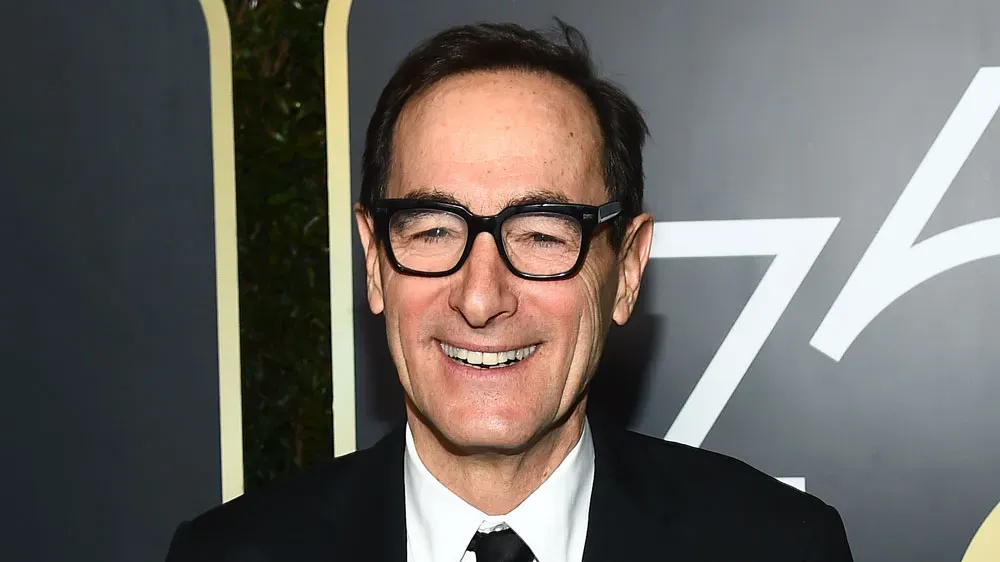
Josh Sapan, former CEO of AMC Networks, left the company in 2021 after helping reshape its programming from reruns into major hits. In a Variety interview, he also links disability on screen to championing neurodivergent artists, arguing they add distinct value.
Josh Sapan is no longer at the center of AMC Networks, but he is still trying to change what TV looks like. The former CEO left AMC Networks in 2021, after leading the company through what the entertainment industry calls the peak TV era, when networks and cable operators fought for attention in a world that was getting noisier and more expensive.
If you are wondering why this matters, the answer is simple: Sapan is not talking about his past like a victory lap. He is talking about his next chapter, and he is tying it to a specific creative goal. In Variety, Sapan also champions disability on screen and supports neurodivergent artists, describing them as people who “just bring something unique in how they see the world.” The point is not charity. It is creative and commercial. Representation changes the inputs, which changes the output.
To understand why Sapan's framing lands, you have to remember what AMC Networks was before the “prestige TV” stamp became a default expectation. AMC began as a home for reruns of classic movies. Under Sapan’s leadership, the network portfolio shifted into programming that could compete for mainstream cultural attention. That is not just branding. It is a different business model, with different risks: higher production costs, more dependence on original hits, and a heavier emphasis on audience building over the long term.
Variety’s summary points to a key through-line from that transformation: the development of shows that became major hits in the aughts, including “Breaking Bad.” When a company makes that kind of programming leap, the executive challenge is twofold. First, you have to persuade internal teams and partners to bet on new types of storytelling. Second, you have to manage the perception problem: cable networks often start with an identity, and changing it means rewriting what viewers think they are buying.
Now bring in the disability and neurodivergence angle. For executives, disability representation is often treated like a values discussion. Sapan is making it an artistic input discussion. His line that neurodivergent artists “just bring something unique in how they see the world” is essentially an argument about creative perspective: not everyone experiences reality the same way, and that difference can translate into different kinds of scenes, pacing, dialogue, and character design.
This is where the board-level implications sneak in. When leadership frames inclusion as creativity, it reduces the friction that can happen when initiatives are perceived as “extra.” Boards under pressure from investors and markets want strategies that can plausibly affect performance, retention, and brand differentiation. A company that can credibly say it is improving creative quality and broadening the set of voices shaping stories is not just doing social good. It is trying to widen the funnel of stories that can stand out.
There is also a regulatory and policy backdrop worth noting, even when a story is not directly about compliance. In the broader entertainment ecosystem, disability representation has increasingly intersected with how media companies handle accessibility, inclusion guidelines, and public scrutiny. Even when the legal requirements do not directly dictate creative choices, the risk landscape does. If an operator is trying to be a destination for talent and audiences, it has to anticipate how missing representation can become reputational drag, while better inclusion can become part of how audiences and creators choose where to commit their time.
Sapan’s timing is also notable. He left AMC Networks in 2021, after leading through the peak TV era. That era is now being reinterpreted by the market as both a golden run and a cautionary tale. The next wave of growth has been uneven, and everyone is more sensitive to what actually differentiates a slate. In that context, “neurodivergent artists” is not a fluffy demographic label. It is a claim about differentiation: unique perspective can be a competitive advantage in a world where audiences can scroll away in seconds.
For peers in similar roles, the takeaway is that executive influence does not stop at the exit memo. Leadership creates culture, and culture shapes what executives fund, what creative teams feel safe proposing, and what casting and writing paths become normal. Sapan’s interview suggests his post-AMC focus is still about shaping inputs, not just outputs. The strategic stake for other CEOs and studio leaders is whether they treat disability on screen as a checkbox or as a competitive lever for authentic storytelling.
This story's Key Insights and Take-aways are locked.
Create a free account to unlock Executive Actions for one credit.
Register to UnlockAlways free for Executives Club members. Join the Club
More in Business

Anthropic’s Levant Alpöge cracks the Jacobian conjecture after 87 years
A Harvard valedictorian used Claude to hit a 1939 breakthrough, but the missing “why” is the real problem.

Uber buys Delivery Hero for nearly $15B, vaulting to top food delivery outside China
The deal doubles Uber's dual-services footprint and pushes a ride-and-eats bundling play into 50 more markets.

Epic and Google drop settlement bid, forcing rival Android app stores by July 22
Google told the court it is ready to carry third-party app stores starting Wednesday, July 22.