
JPMorgan launches $50B buyback after Fed stress test; Goldman lifts dividend
Both banks act right after the Fed says all 32 large banks could survive a hypothetical recession.
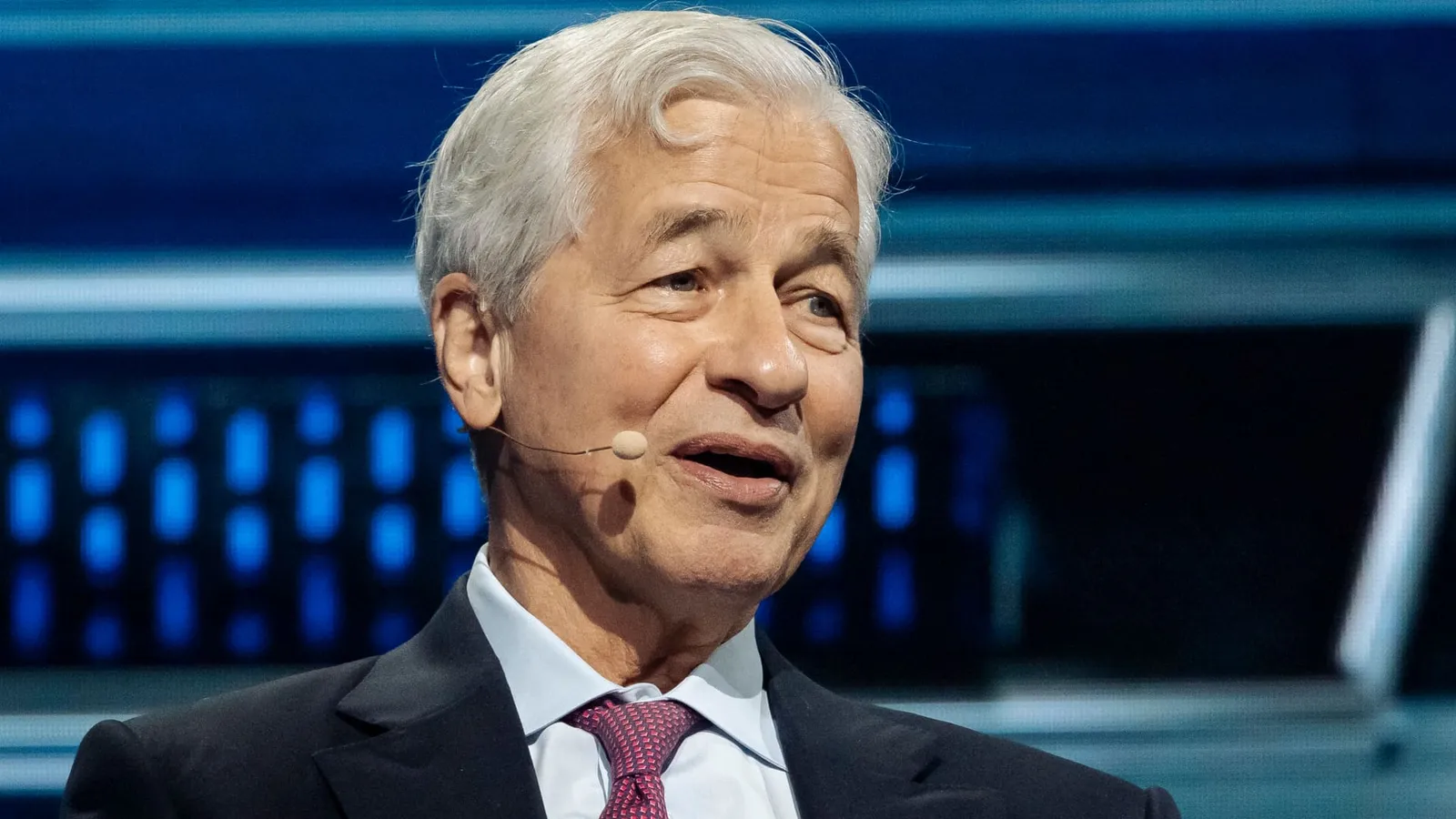
JPMorgan Chase unveiled a $50 billion buyback and Goldman Sachs raised its dividend after the Federal Reserve released its annual stress test results. For decision-makers, the message is clear: regulators signaled resilience, and the biggest banks are immediately translating that into shareholder payouts.
JPMorgan Chase just unveiled a $50 billion buyback, and Goldman Sachs followed with a dividend increase, both timed tightly after the Federal Reserve published the results of its annual stress test. The reason this matters is not just the size of the payouts. It is what the Fed's test implies about bank balance sheets in a deep, nasty downturn that exists only on paper but is designed to be realistic enough to stress capital planning.
The Fed's annual stress test found that all 32 large banks weathered a hypothetical recession. That single phrase, “weathered,” is the regulatory green light markets have been waiting for. It tells banks that, under the Fed's scenario, they have enough capital to keep operating and absorbing losses while still meeting regulatory requirements. In other words, the capital is not trapped. It can be used.
So why do JPMorgan and Goldman move right away? Because buybacks and dividends are among the clearest, fastest ways for banks to turn regulatory outcomes into shareholder value. Once the stress test confirms resilience, management teams and boards can shift from planning mode to execution mode. A buyback program at $50 billion is not a small tweak; it is a major signal about how much capital the bank believes it can safely return without compromising compliance or stability.
Dividend increases have similar logic, just with a different pacing and market expectation. Dividends tend to be “sticky,” meaning once raised, markets often expect them to continue, barring new shocks. Goldman Sachs raising its dividend after the test is a way of saying: the forward capital outlook looks solid under the Fed's framework, and the bank is willing to commit to a higher baseline payment.
There is also an incentive dynamic inside the banking system. The Fed stress test covers the largest institutions, and when all 32 pass the hypothetical recession scenario, it removes a key uncertainty that could otherwise keep capital constrained. Without that uncertainty, banks compete on shareholder return policies. Even though the stress test is not a contest, capital allocation becomes one in practice. If peers are confident enough to authorize buybacks or dividend hikes, sitting on the sidelines can look like either unnecessary conservatism or less confidence in your own capital position.
Regulatory background is important here. Stress tests are designed to challenge capital buffers under adverse conditions, then evaluate whether banks can keep meeting minimum capital requirements as losses occur. The test is hypothetical, but the mechanism is real: it forces banks to forecast earnings, credit losses, and balance sheet impacts in an extreme environment. That is why the outcome is consequential even without an actual recession happening.
The second-order implication for executives and boards is that passing the stress test does not just reduce risk perception. It also accelerates decisions around capital distribution, which can influence investor sentiment quickly. Markets often read payout announcements as an endorsement of internal capital models and as an indication that management expects the business to remain profitable enough to support higher distributions.
For peers in similar roles across the big bank landscape, JPMorgan's $50 billion buyback and Goldman Sachs' dividend increase serve as a template for what “regulatory clearance” can unlock. The strategic stakes are straightforward: when regulators signal that banks can absorb a severe downturn scenario, delayed or cautious payouts can become a missed opportunity for shareholder value. Conversely, aggressive payouts without confidence in the underlying capital resilience would be a credibility problem. The stress test outcome being favorable to all 32 large banks sets the stage for widespread action, and these announcements show that two major players are already converting that signal into direct returns.
This story's Key Insights and Take-aways are locked.
Create a free account to unlock Executive Actions for one credit.
Register to UnlockAlways free for Executives Club members. Join the Club
More in Business

Anthropic’s Levant Alpöge cracks the Jacobian conjecture after 87 years
A Harvard valedictorian used Claude to hit a 1939 breakthrough, but the missing “why” is the real problem.

Uber buys Delivery Hero for nearly $15B, vaulting to top food delivery outside China
The deal doubles Uber's dual-services footprint and pushes a ride-and-eats bundling play into 50 more markets.

Epic and Google drop settlement bid, forcing rival Android app stores by July 22
Google told the court it is ready to carry third-party app stores starting Wednesday, July 22.