
Judge Bradley S. Phillips blocks Waymo overnight charging in Santa Monica
A preliminary injunction halts Waymo’s overnight side-by-side charging after residents cite noise, light, and congestion.
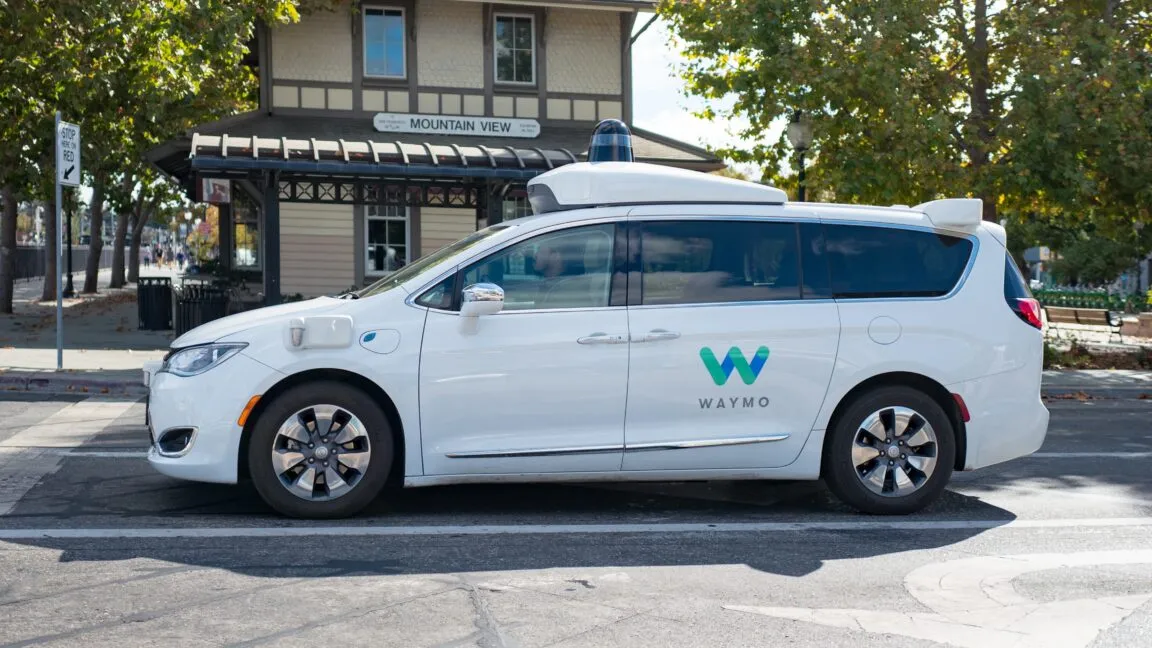
Los Angeles Superior Court Judge Bradley S. Phillips granted Santa Monica’s motion for a preliminary injunction against Waymo, ordering it to stop overnight charging at its side-by-side facilities. The ruling turns “operations logistics” into a regulatory constraint, reshaping how AV deployments manage local externalities.
A Los Angeles Superior Court judge just forced Waymo to change one of the most basic parts of its business: how it charges vehicles. Judge Bradley S. Phillips granted the City of Santa Monica’s motion for a preliminary injunction in the city’s ongoing public nuisance lawsuit, ruling that Waymo can no longer use its side-by-side charging facilities overnight in Santa Monica, California.
The reasoning is blunt and local. Phillips found the overnight charging may pose a “public nuisance,” and the court aligned with the city’s claims that the charging process is not just a technical step. Santa Monica officials and nearby residents argue that the constant stream of vehicles to and from the charging stations creates light and sound pollution and causes undue traffic congestion on surrounding streets and nearby alleys. In a public nuisance case, those lived impacts matter because they translate into enforceable legal harm, not just “annoyance.”
So what did Waymo do that triggered this? According to the summary of the case, Waymo has been using side-by-side charging facilities overnight. The injunction targets that specific time window, which is important. Overnight operations are usually where fleets can recharge without interfering with daytime service. That makes sense operationally. But the court is basically saying, even if it makes operational sense, the city can regulate it when the side effects spill into residents’ sleep, visibility, and street conditions.
This is also a reminder that autonomous vehicle companies do not only compete on safety tech and software. They compete on permission to operate. AVs are software-heavy, but deployment is a city-by-city reality: local governments control zoning, traffic patterns, and nuisance enforcement. Public nuisance is a flexible legal concept that can wrap together multiple community complaints like noise, light, and congestion into one claim. Here, those complaints were not theoretical. The city and neighbors asserted that the charging stations drive a “collective bother and disruption,” which is how the summary frames the impact on the community.
From a governance and board perspective, the decision creates a sharper risk profile than many executives may model. In the early days of AV deployment, it was common to think regulatory risk would center on road safety, permitting, and liability. Those still matter, but this case highlights something closer to facilities and infrastructure operations. If a fleet has to shift charging schedules, alter station design, reduce night traffic, or invest in mitigation, those changes affect cost, uptime, and planning. Even a preliminary injunction, granted this week, can immediately force operational redesign while the underlying lawsuit continues.
There is also a timing and incentive angle. Preliminary injunctions are designed to prevent ongoing harm while the legal fight proceeds. That means the court treated the alleged nuisance as urgent enough to justify stopping overnight charging now, not later. For Waymo, that raises immediate questions about how to meet service and battery needs without the same overnight charging routine. For city officials, it signals that nuisance claims are not just a complaint, they are a lever that can restructure operations on a tight timeline.
Zooming out, this kind of ruling fits a broader pattern in the tech world where “invisible” externalities become visible. Any fleet operation that involves recurring vehicle movements can run into community friction. Think logistics companies, delivery vans, and even construction staging. AV charging adds a twist: it bundles a novel technology with conventional urban externalities. The public may not care whether the vehicle is autonomous or not; they care whether it wakes them up and clogs their alleys with headlights and engine noise.
For peers, the strategic stakes are straightforward. If you are deploying AVs, partnering with cities, or financing network expansion, you need to treat local operations like a first-class regulatory variable. Waymo’s overnight charging restriction in Santa Monica is not a global ban. It is a targeted injunction. But that targeting is exactly why it matters: it shows how specific facility practices can become court-ordered constraints, even before a final merits decision. The companies that plan for that reality will move faster when courts and cities demand operational changes. The ones that assume the tech will outrun the politics will find themselves rewriting schedules at the worst possible time.
This story's Key Insights and Take-aways are locked.
Create a free account to unlock Executive Actions for one credit.
Register to UnlockAlways free for Executives Club members. Join the Club
More in Technology

Google quietly links your phone number to every Android account on your SIM
Adding a SIM now ties your phone number to all Google accounts - and future accounts inherit it. Here's the security and privacy stakes.

Hijacker AI 'Skynet mode' runs 100,000 attack steps against exposed models
Symantec caught a criminal AI agent that borrows other models, steals data, and mines crypto; the only relief is no confirmed victims yet.

Nvidia's AI-financier shift faces its first big test as neoclouds stumble
A rout in neocloud stocks is forcing investors to weigh Nvidia's hidden exposure as both supplier and lender to the AI buildout.