

Kellanova’s protein Pop-Tarts hit November with 10g per serving, $3.99 price jump
Kellanova says the toaster favorite is getting a protein makeover, signaling Big Food’s $67B sprint into fortified snacking.
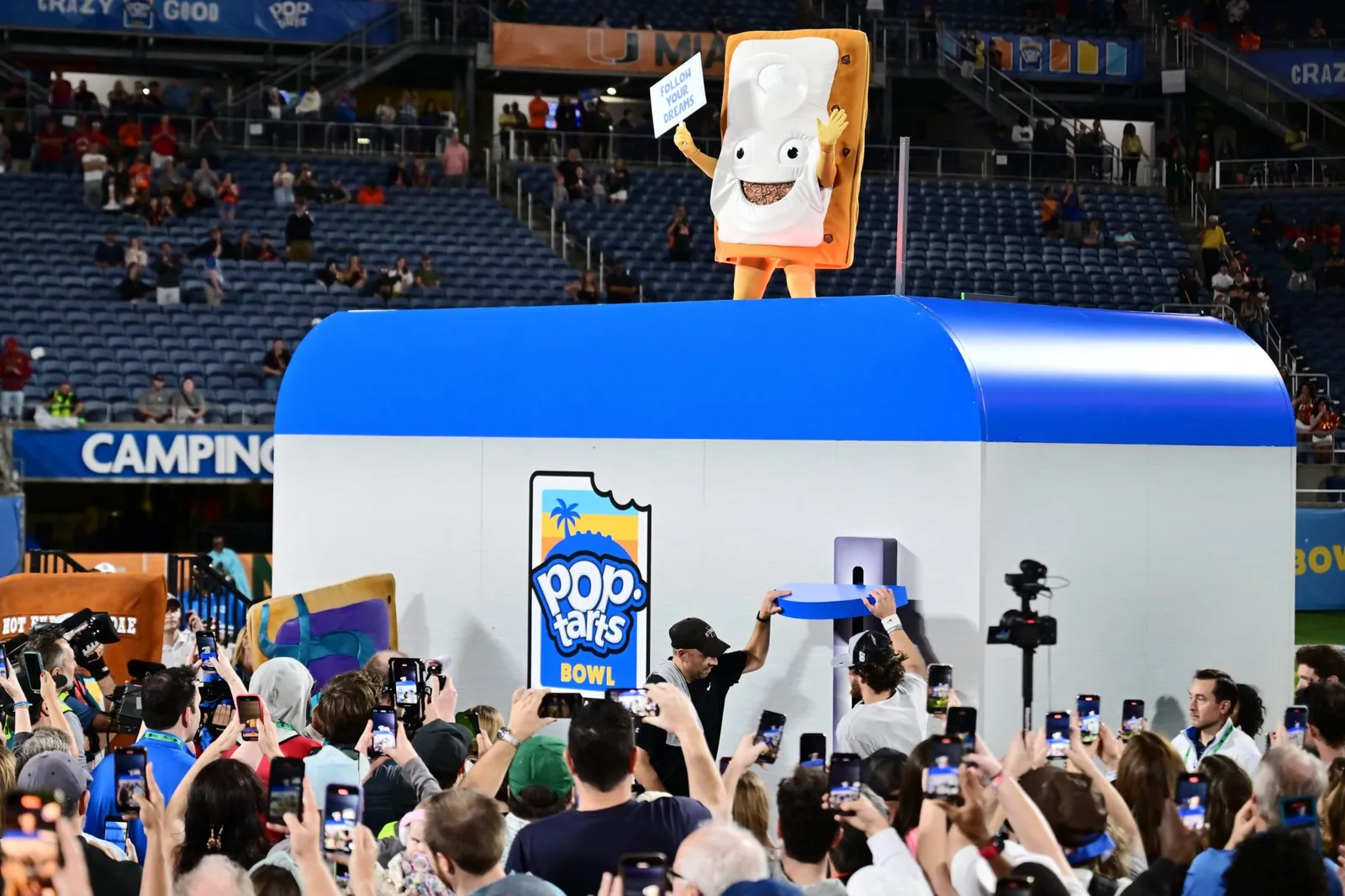
Kellanova, via Kellanova North America R&D and innovation VP K.T. McCann, is rolling out Pop-Tarts Protein in early November. The product brings 10 grams of protein per serving at $3.99, reinforcing that protein-fortified packaged food is accelerating across major brands.
Kellanova is turning a snack aisle staple into a functional food. In early November, Pop-Tarts Protein will arrive with 10 grams of protein per serving across flavors including brown sugar cinnamon, strawberry, and blueberry. And the cost is not huge, but it is real: $3.99, slightly higher than the regular version at $3.49.
The key detail is that this is not a brand-new Pop-Tarts concept, it is a recipe tweak with marketing muscle. Bloomberg reports that the filling, sprinkles, and frosting will remain the same, while the dough may have “a bit of a toasty flavor.” For Kellanova North America, the pitch is straightforward: bring more protein into something consumers already buy for taste and convenience.
This is the next move in what Fortune describes as Big Food’s protein obsession, aimed at health-conscious Gen Z and Ozempic users who want to maintain muscle mass. Those demand forces are pulling shoppers out of the “protein powder only” mindset and into everyday packaged foods. The stakes are large enough to make this feel less like a one-off product launch and more like category reformatting. Grand View Research estimates the global market for protein-fortified food products was about $67 billion in 2023, with the fortified-protein market set to hit more than $100 billion by 2030.
Kellanova is entering a space that used to belong to more specialized brands, and it is doing so with the advantage that snack brands have always had: distribution plus brand loyalty. Pop-Tarts itself has been produced by Kellogg’s since 1964, and it is now owned by the spinoff Kellanova. That matters because switching a consumer habit is notoriously difficult. But switching a label, adding a functional benefit, and keeping the familiar “treat” format is a more achievable path, especially when the company can keep most of the sensory profile intact.
K.T. McCann, vice president of research and development and innovation for Kellanova North America, told Bloomberg that protein momentum is not limited to one company. “There’s probably more to come around protein, and not just from us, but across the board,” she said, adding, “It’s going to keep coming.” In packaged food, statements like that often translate into portfolio strategy: if protein is becoming a default consumer expectation, every major player needs options ready by the time the market shifts from curiosity to habit.
Kellanova is already building that portfolio. The company offers protein-enhanced Eggo waffles, launched in May 2024. Pop-Tarts Protein continues that pattern, signaling that management sees protein as a repeatable playbook rather than an experiment. That repetition is important for boards and executives because it reduces the risk of being wrong once and paying for it with a single SKU. If protein-fortified snacks become a sustained demand channel, multiple product lines can smooth volatility and strengthen negotiating power with retailers.
The competitive field is moving fast. Other recent protein product drops cited by Fortune include new lattes from Starbucks and protein-rich French toast sticks from Kroger. When snack giants start to “protein-ify” the familiar, it changes what consumers think a category should deliver. It also increases the pressure on marketing teams to translate protein into something that still feels enjoyable, not clinical.
So how big is the opportunity? Fortune reports Kellanova sold just under 3 billion Pop-Tarts in 2023, citing Bloomberg. In the company’s financial framing, snack is the heavy hitter: Kellanova’s snack category, which includes Pop-Tarts, accounts for about $8 billion of its total $13.1 billion in net sales for 2023. In other words, this is not an isolated side project. It is a brand-level bet on one of the business’s core engines, which is exactly where decision-makers tend to focus when they sense a structural shift.
Demand signals back up that urgency. The nonprofit International Food Information Council found in July that 70% of Americans said they are trying to consume more protein, compared with 59% in 2022. That kind of movement matters for executives because it implies a broader cultural trend, not just a niche. And culturally, protein has become a “do it all” attribute: it can be framed as health, as performance, and as a way to feel in control of appetite.
Kellanova also gave a statement to Fortune that frames the strategy as both science and brand craft. McCann said: “The demand for protein in everyday foods continues to grow, and we have significant expertise in this area. With Pop-Tarts Protein, we tapped into over 60 years of brand recipe expertise and our growing knowledge of protein innovation across our network to create something that delivers on taste.” She added that snacks showing up in more moments throughout the day creates “huge potential to bring functional ingredients like protein and fiber into new formats people already love.” Even without quoting regulators, this is a product adaptation designed for a labeling-driven consumer reality: shoppers want the functional benefit without giving up taste and routine.
For executives at competing brands, the message is the same, whether they are making cereal, chips, waffles, or beverages. Protein is no longer a separate corner of the store. It is moving into the center, SKU by SKU, with familiar formats and incremental price premiums. Kellanova’s Pop-Tarts Protein launch, timed for early November with 10 grams per serving at $3.99, is a clear signal that the next battleground in packaged food will be the everyday snack wearing a “functional” costume. If you are not planning for that shift now, you risk being forced to chase later, when shelves and consumer expectations are already set.
This story's Key Insights and Take-aways are locked.
Create a free account to unlock Executive Actions for one credit.
Register to UnlockAlways free for Executives Club members. Join the Club
More in Business

Anthropic’s Levant Alpöge cracks the Jacobian conjecture after 87 years
A Harvard valedictorian used Claude to hit a 1939 breakthrough, but the missing “why” is the real problem.

Uber buys Delivery Hero for nearly $15B, vaulting to top food delivery outside China
The deal doubles Uber's dual-services footprint and pushes a ride-and-eats bundling play into 50 more markets.

Epic and Google drop settlement bid, forcing rival Android app stores by July 22
Google told the court it is ready to carry third-party app stores starting Wednesday, July 22.