

Martin Scorsese sparks industry backlash after investing in generative AI startup
The legendary director's partnership with Black Forest Labs pits creative efficiency against the livelihoods of traditional storyboard artists.
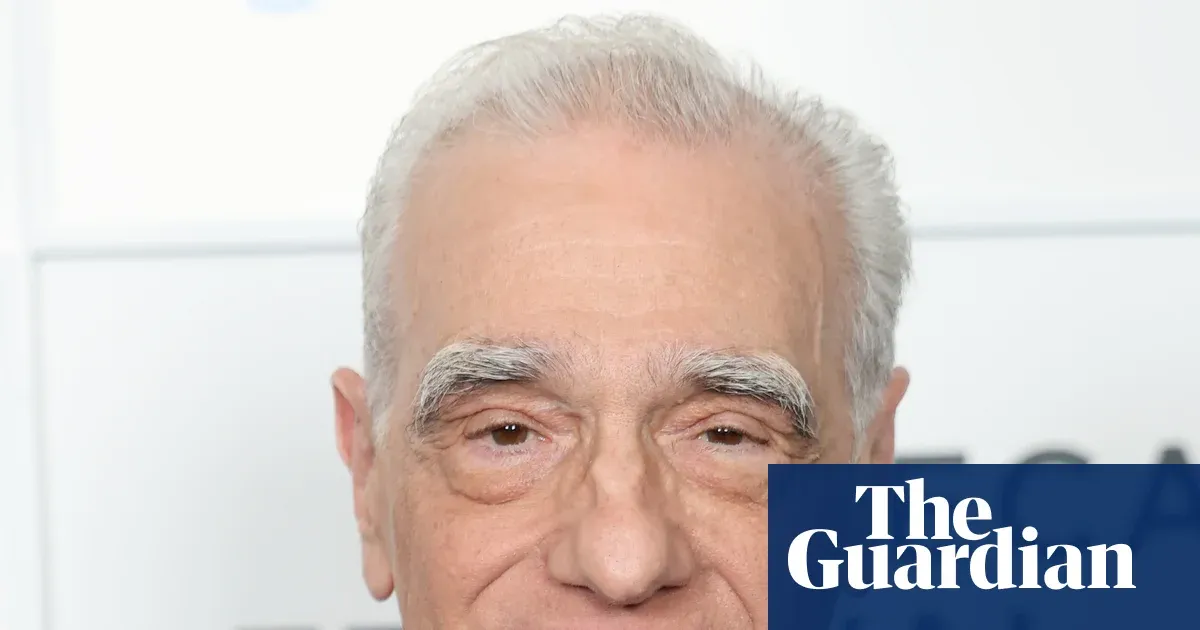
Director Martin Scorsese has announced an investment in and advisory role with Black Forest Labs, a German text-to-image AI venture. This move has ignited a fierce debate within the film industry regarding the displacement of human artists by generative technology.
Martin Scorsese, one of the most revered figures in cinematic history, is facing intense criticism from his peers after revealing he has invested in and taken an advisory role with Black Forest Labs. The German-based venture specializes in text-to-image generative AI, a technology that can transform written descriptions into visual imagery almost instantaneously. For Scorsese, the move is about speed and clarity; for his critics, it represents a direct threat to the professional ecosystem of film production.
Scorsese defended his decision to use AI-generated storyboards, arguing that the technology is 'creatively freeing.' He noted that the ability to immediately communicate a visual vision to his cast and crew allows for a level of immediacy that traditional methods struggle to match. By using Black Forest Labs' tools, the director can bridge the gap between a mental concept and a visual blueprint in a fraction of the time it would take to commission hand-drawn or digital illustrations from human professionals. This efficiency, however, comes at a significant social and professional cost to the artists who have historically occupied that space.
Industry members have reacted sharply, with some accusing the director of 'throwing artists under the bus.' The tension highlights a growing schism in Hollywood and the broader creative economy: the divide between those who view AI as a productivity multiplier and those who see it as an existential threat to human labor. Storyboarding is a critical pre-production phase where directors, cinematographers, and production designers align on the visual language of a film. When this process is automated through text-to-image models, the demand for specialized storyboard artists-who often serve as the first line of visual storytelling-could plummet.
To understand the scale of this shift, one must look at the rapid maturation of the generative AI sector. Black Forest Labs is part of a wave of high-growth ventures attempting to move beyond simple chatbots and into the realm of high-fidelity visual generation. For a director of Scorsese's stature to join as a partner and adviser in 2025 signals to the market that generative AI is moving from a niche experimental tool to a core component of the professional production pipeline. This is no longer just about hobbyists playing with prompts; it is about institutionalizing AI within the highest tiers of content creation.
This development also touches on the broader regulatory and ethical landscape currently facing the tech and entertainment industries. As generative models are trained on vast datasets of existing human art, questions regarding copyright, compensation, and consent remain unresolved. While Scorsese focuses on the utility of the tool for his specific creative workflow, the industry at large is grappling with how to protect intellectual property and human livelihoods in an era where a prompt can mimic the style of a master illustrator. The backlash against Scorsese is a microcosm of a much larger struggle over the value of human craft versus the speed of algorithmic output.
For executives in media, tech, and creative services, the Scorsese controversy serves as a high-stakes case study in change management and stakeholder relations. The decision to integrate AI into a workflow is rarely just a technical one; it is a political and cultural one. Leaders must weigh the undeniable gains in operational efficiency and creative velocity against the potential for brand damage and labor unrest. As the line between human-led and AI-assisted production continues to blur, the ability to navigate these ethical minefields will become a defining competency for those steering the future of content.
This story's Key Insights and Take-aways are locked.
Create a free account to unlock Executive Actions for one credit.
Register to UnlockAlways free for Executives Club members. Join the Club
More in Technology

OpenAI says 10,000 agents cracked a 90-year math problem in 88 hours
The company's claim is audacious, but one mathematician is pushing back. Here's what it means for AI-driven discovery.
Meta still serves child sexual abuse ads on Instagram in India - BBC report
A new report following the BBC Eye investigation says the ads are still there - what it signals for every platform with a self-serve ad engine.
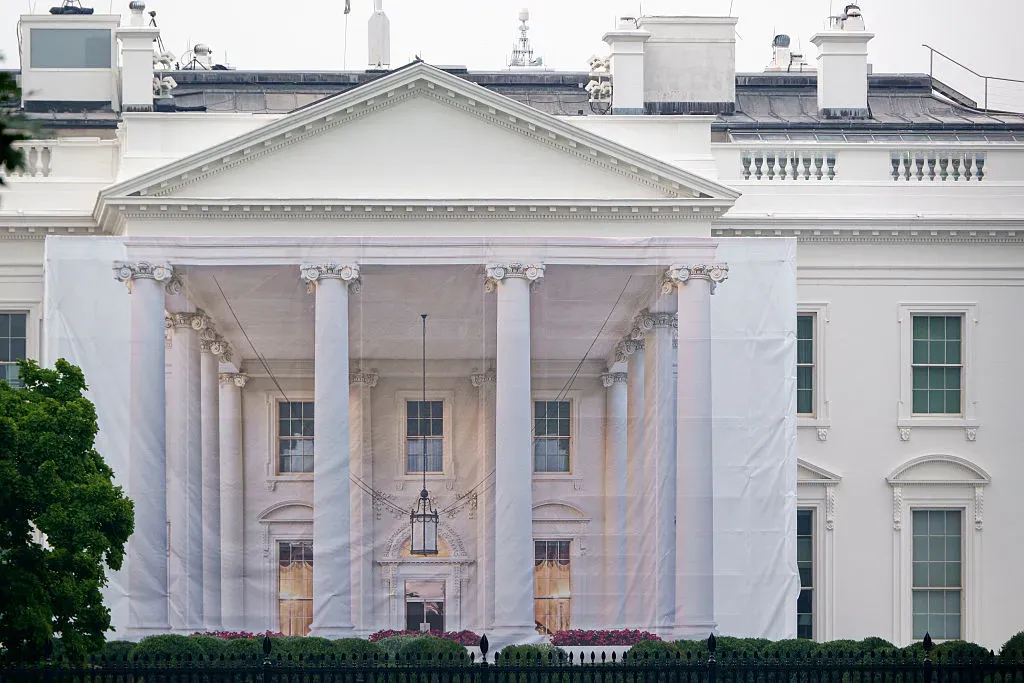
White House yanks 'Build the Wall' game after Tetris Company copyright warning
The administration's arcade game vanished in hours - and the takedown playbook every brand can learn from.