

Mat Piscatella: only 7 PlayStation games topped 100,000 physical US sales this year
The numbers say disc demand is real, but not big enough to justify 2028’s pivot away from physical.
Circana analyst Mat Piscatella says only seven PlayStation titles sold over 100,000 physical copies in the US year-to-date. For decision-makers, it is a direct read-through on how fast physical-media revenue is shrinking, and why Sony’s 2028 stance is finding a market match.
If you are arguing with someone in the comments about PlayStation discs, Mat Piscatella just dropped receipts. The Circana analyst says only seven PlayStation games have sold more than 100,000 physical copies in the US year-to-date. That is not a huge pile of titles in a market dominated by expectation, hype, and noise. But it is the kind of number that forces the question executives hate: is the customer anger loud, or is it actually buying?
Piscatella also frames the data with another line that matters for forecasting. He shared on Bluesky that “2 PlayStation video games sold more than 10k physical units in the US during week ending July 11, 2026,” and that “7 have sold more than 100k physical units year-to-date.” Importantly, he explains the dataset covers “all games, all pubs, all PS platforms,” not just select breakout hits. So when PlayStation fans demand physical discs after Sony announced it would stop making them in 2028, the argument is emotional. The evidence is transactional, and the transactions are not keeping pace.
This is where context becomes the story, not the outrage. Global estimates earlier this month by Alinea Analytics suggest some specific games could be among those seven, including EA Sports FC 26, Resident Evil Requiem, and 007 First Light. The reason those games matter is the mix of their sales channels. Alinea’s estimates suggest each title saw at least 12% of their millions of international sales derive from physical games. For Requiem specifically, the report says 27.8% of its 3.5 million copies sold are estimated to have come from physical discs. Those are still meaningful shares, and they confirm there is demand for physical media among some buyers.
But “meaningful” is not the same as “enough,” and for PlayStation the bar is set by scale. Piscatella’s point is that even with physical staying power for certain franchises, the overall physical market is not where it used to be. He posted a wedge-shaped chart on Bluesky in June showing US consumer spending on physical games fell from $11.5 billion in 2009 to $1.6 billion in 2026. That is a long slide, and it is the type of trend that pressures every budget line. When spending collapses, companies do not just lose revenue. They lose leverage to justify supply chains, manufacturing capacity, distribution costs, and inventory risk.
Piscatella also previously predicted this summer that the platform transition is already underway in the hardware base. He wrote that “More than half of all Xbox Series consoles in the US don't have a physical drive, while over a quarter of PS5's are the same. We likely have less than a decade left of physical software.” That is not a throwaway prediction. It is a structural argument: even if a portion of players want discs, the fraction of consoles that can play discs constrains the addressable market. Sony’s move away from producing physical goods in 2028 is basically the corporate version of acknowledging physics.
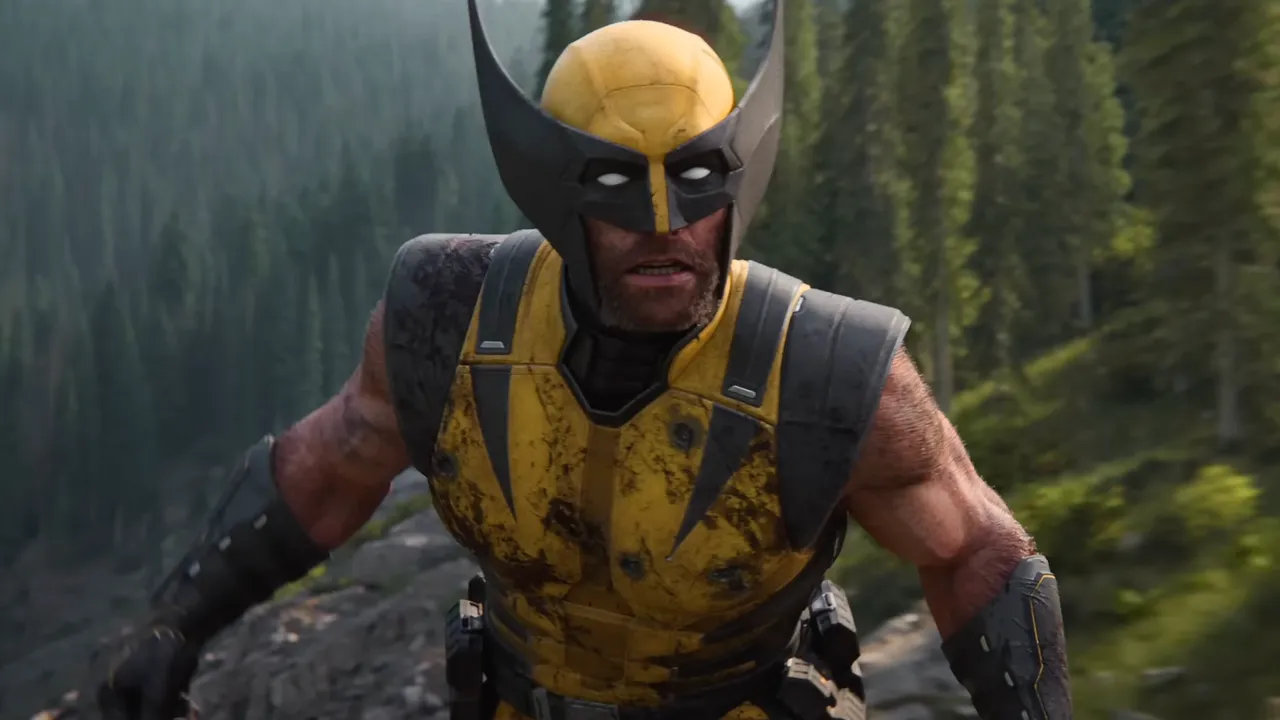
If you want to understand the backlash, look at how the comment section behaves versus how the purchase data behaves. The article notes that PlayStation fans have kept showing up after the 2028 announcement, with 12,000 wailing comments under the latest Marvel's Wolverine trailer. Piscatella’s response is blunt, and it is the kind of line that often shows up when analysts are tired of hearing about “engagement” instead of sales: “Commenting is cool, use your voice and all that. But commenting is cheap.” In an environment where digital access is frictionless and physical is optional, “cheap” clicks can create a false impression that demand is broader than it is.
There is also a broader industry implication hidden in plain sight. The article closes by tying Sony’s pivot away from physical goods to Crunchyroll, which is adding a $14 subscription requirement to access a new store “experience.” That detail matters because it signals a wider pattern: services are carving out paid tiers for access and experiences, while physical distribution is being treated like a cost center with diminishing returns. Even if you do not care about anime or discs, the board-level logic is similar. When mass behavior shifts, revenue moves to where the margin is, and where consumers are already transacting.
For executives at gaming companies, publishers, or platform operators, the stake is simple. The numbers Piscatella cites do not mean physical media is dead. They mean physical media is not where growth and scale are coming from. So the question for leadership teams becomes less about whether discs can sell at all, and more about whether the company can afford to keep building physical-first ecosystems when the overall spending and hardware compatibility trends point the other way.
This story's Key Insights and Take-aways are locked.
Create a free account to unlock Executive Actions for one credit.
Register to UnlockAlways free for Executives Club members. Join the Club
More in Business

Anthropic’s Levant Alpöge cracks the Jacobian conjecture after 87 years
A Harvard valedictorian used Claude to hit a 1939 breakthrough, but the missing “why” is the real problem.

Uber buys Delivery Hero for nearly $15B, vaulting to top food delivery outside China
The deal doubles Uber's dual-services footprint and pushes a ride-and-eats bundling play into 50 more markets.

Epic and Google drop settlement bid, forcing rival Android app stores by July 22
Google told the court it is ready to carry third-party app stores starting Wednesday, July 22.