
Meta rolls out Facebook Verified using selfies to blunt generative AI scams
The verification is designed for real people, not bots, and it changes the arms race for trust online.
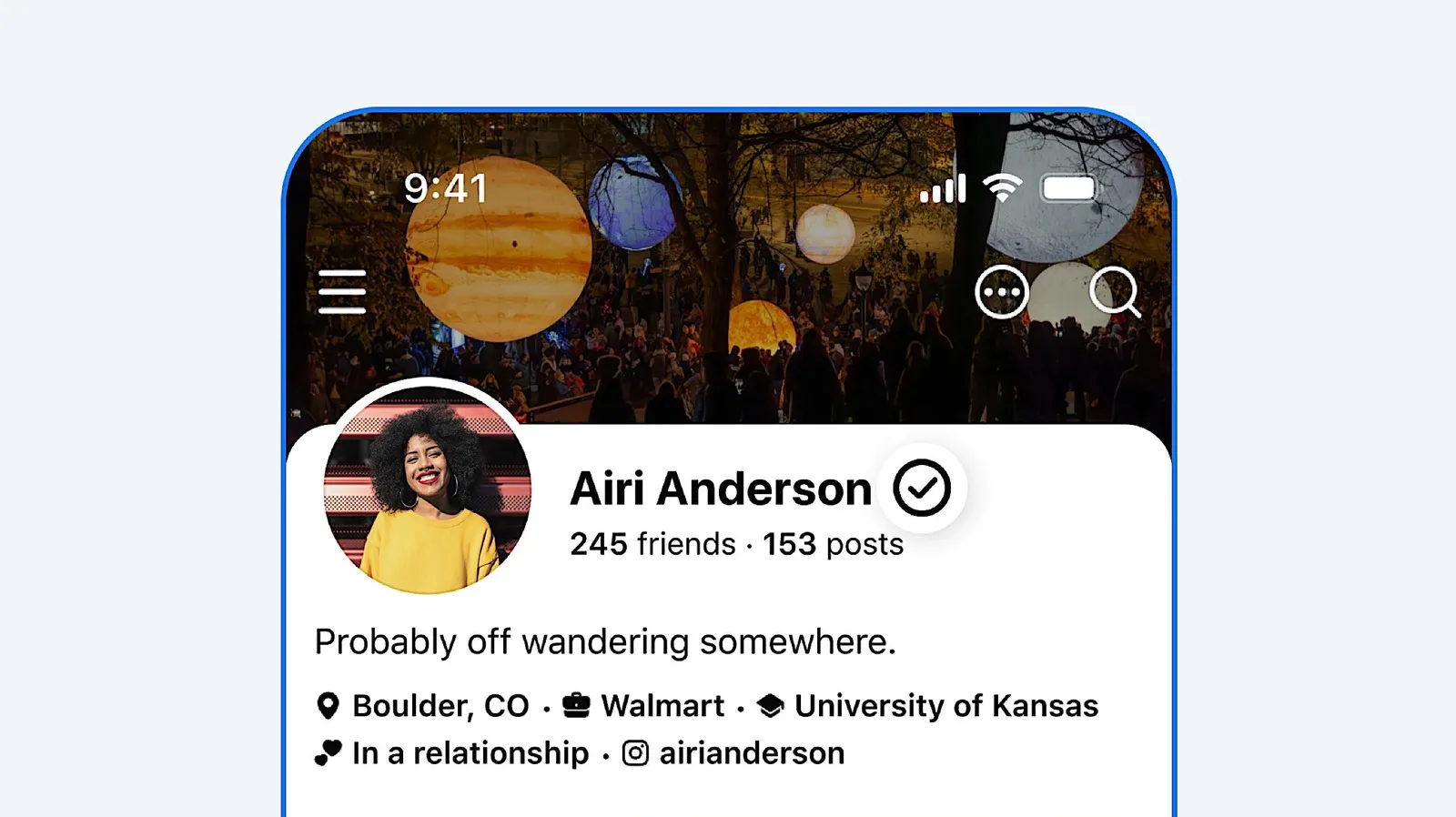
Meta is launching a new Facebook Verified badge that relies on user selfies as a form of identity verification. For decision-makers, it signals a shift toward tougher, identity-linked controls as generative AI scams scale.
Meta is launching a new Facebook Verified badge that uses user selfies, aiming to make it harder for scammers to impersonate real people through generative AI.
The move is simple on paper and high-stakes in practice: instead of treating “verified” as a label that can be gamed, Meta is trying to ground verification in something closer to a living person, by asking for selfies as part of the process. If this works as intended, the badge becomes a small but meaningful gate in the flow of trust on Facebook, where scammers thrive when verification signals are weak.
Why is this happening now? Generative AI has lowered the cost of deception. Scammers can generate realistic text, images, and social profiles at scale, and they can iterate quickly when users push back. The result is an environment where the usual defenses can lag: platforms can add reporting tools, restrict suspicious behavior, and tweak detection models, but the credibility signals that people rely on can still be spoofed. Meta’s selfie-based approach is trying to address that specific failure point: identity assurance.
This is not just a product change. It is an operating model change for trust and safety. Verification badges are among the most visible signals on social platforms. They influence how quickly content spreads, how much friction users feel when deciding whether to trust an account, and how likely victims are to take bait. In other words, verification is part of the UX layer of risk. If “verified” can be obtained through workflows that do not correspond well to real humans, then scammers effectively buy distribution and credibility in the same transaction.
The selfie angle matters because it tries to convert identity into something harder to synthesize. With generative AI, producing a convincing profile image can be cheap. Asking for a selfie, however, shifts the problem from “can you create an image that looks real” to “can you produce something that passes a verification flow tied to a person.” The core promise, per Meta’s framing, is “actual, real humans” as opposed to automated accounts or impersonators running on AI-generated materials.
There is also a broader regulatory backdrop that executives cannot ignore. Identity verification has been under increasing scrutiny across industries because it touches privacy, consent, and data handling. Social platforms operating globally have to balance two competing pressures: tightening controls to reduce fraud and protecting user data so verification does not become surveillance-by-default. A badge that depends on selfies inevitably raises questions about how images are collected, stored, and used, and whether users understand the purpose and retention. Even when the intent is fraud prevention, regulators and privacy advocates often focus on governance.
From a board and leadership perspective, the second-order implications are about how this affects risk, costs, and public trust. Selfie-based verification can shift operational load into onboarding and review systems, and it can create new edge cases. For example: what happens when verification fails due to accessibility needs, device differences, or ambiguous biometric signals? Platforms have to decide how to handle appeals and what fallback trust mechanisms look like when a user cannot complete a selfie step. If too many legitimate accounts get stuck, it risks alienating creators, communities, and advertisers. If too many fraudulent accounts get through, it risks worsening user harm, which can trigger higher compliance costs and reputational damage.
For Meta, the strategic stakes are clear: generative AI scams are a moving target, and trust signals are where the battlefield is most visible to everyday users. A verification badge that is perceived as more “real-person grounded” could reduce the effectiveness of impersonation campaigns, improve user confidence, and create a clearer standard of authenticity that users learn to rely on. Even if the percentage of blocked scams is modest, the impact can be outsized because scams benefit from scale and credibility, not just individual attempts.
Peers across the industry should treat this as a signal, not a one-off. Any platform that relies on identity signals for trust is likely to face the same generative AI pressure: when fake becomes cheap, verification has to become more meaningful. Meta’s selfie-based Facebook Verified badge is an explicit attempt to toughen that meaning, and it suggests a direction of travel where “verification” becomes less about paperwork and more about verifiability tied to human presence.
This story's Key Insights and Take-aways are locked.
Create a free account to unlock Executive Actions for one credit.
Register to UnlockAlways free for Executives Club members. Join the Club
More in Technology

Google quietly links your phone number to every Android account on your SIM
Adding a SIM now ties your phone number to all Google accounts - and future accounts inherit it. Here's the security and privacy stakes.

Hijacker AI 'Skynet mode' runs 100,000 attack steps against exposed models
Symantec caught a criminal AI agent that borrows other models, steals data, and mines crypto; the only relief is no confirmed victims yet.

Nvidia's AI-financier shift faces its first big test as neoclouds stumble
A rout in neocloud stocks is forcing investors to weigh Nvidia's hidden exposure as both supplier and lender to the AI buildout.