

Meta's 'pervert glasses' PR crisis escalates as venues ban its camera eyewear
Privacy fixes and a PR blitz aim to save the smart glasses bet, but venue bans and harassment clips keep mounting.
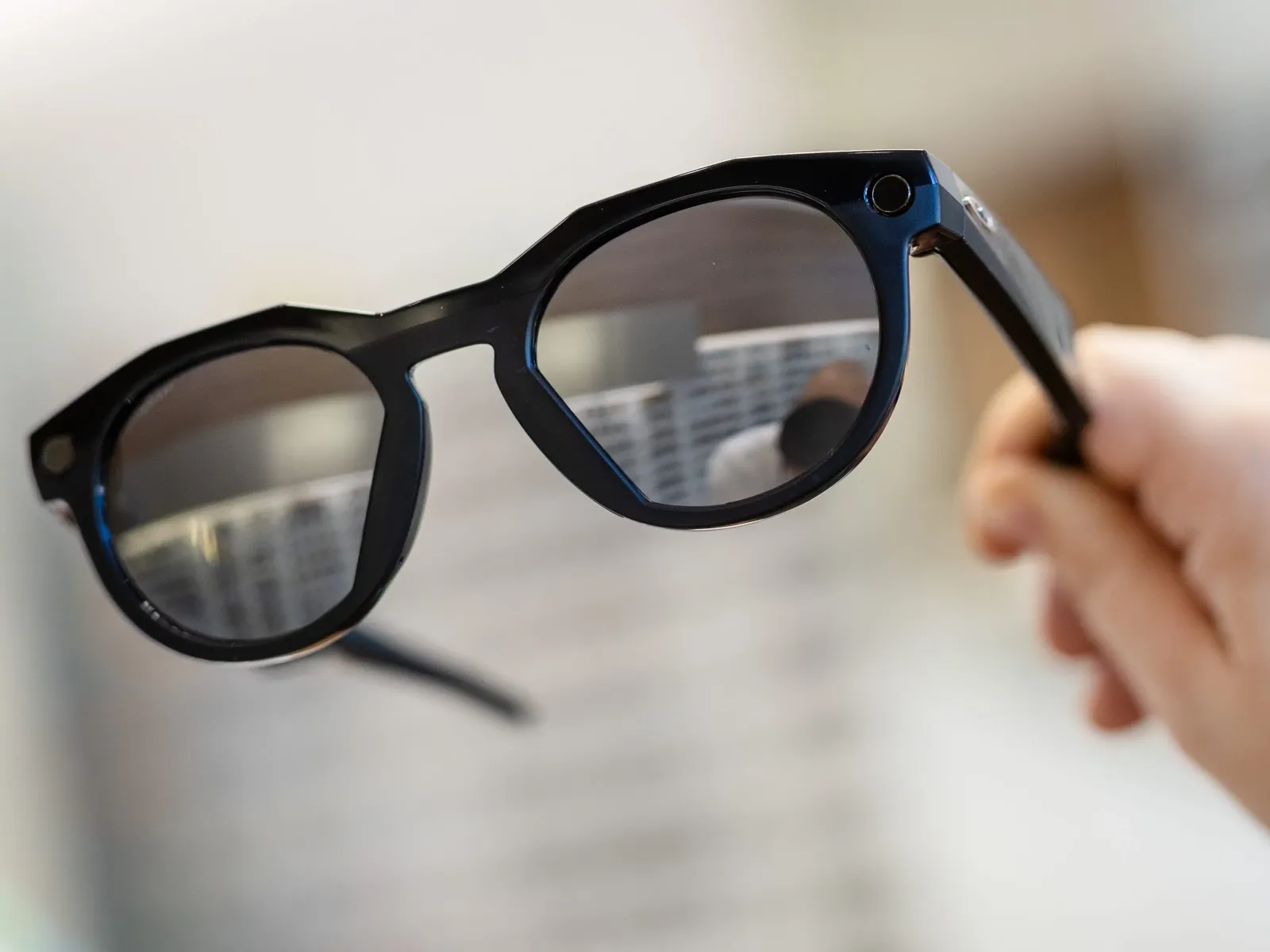
Meta is rolling out new privacy settings and a PR campaign to counter misuse of its smart glasses, which have sparked harassment clips and venue bans. Consumer trust is now the critical risk for Meta's wearable strategy.
Meta's smart glasses are caught in a PR storm. The small camera embedded in the glasses has generated viral footage of men harassing women without consent, earning the product the nickname "pervert glasses." The backlash has gone beyond social media criticism. Event organizers and venues are now moving to restrict the devices. Burning Man says attendees must get consent before filming. New York City nightclub Basement has banned smart glasses entirely, with a permanent ban for anyone who brings them in. The DEFCON hacking conference prohibits them, too. Meta is trying to head off the damage with privacy updates and a public-relations blitz.
Meta's chief technology officer, Andrew Bosworth, took to Instagram on Friday to reassure users that the glasses are designed to protect bystanders. He explained that every pair has a capture LED on the front that lights up when photos or videos are being taken. The camera has no off switch and stops working if someone tries to cover or deactivate it. Bosworth said Meta is aggressively taking down content and whole accounts connected to misuse. Alex Himel, Meta's vice president of wearables, added on Threads that the company is rolling out updates to ensure that if the LED is blocked during recording, the capture will be blocked as well.
These measures are a direct response to a growing problem. Clips of content creators recording women without consent have proliferated on platforms like Instagram. One man's video shows him asking a woman, "Are you a secret code? Because I'm trying to crack you." The video went viral, prompting the "pervert glasses" label. Business Insider's Katie Notopoulos reported that despite Meta's account suspensions, it hasn't been able to catch all the abusers. The company's updated privacy settings are an attempt to get ahead of the regulatory and reputational risks.
The smart glasses are a big bet for Meta. The company has invested heavily in the product category, partnering with celebrities like Kylie Jenner and Teyana Taylor, and producing a star-studded Super Bowl LX ad to build buzz. The glasses are positioned as an AI-powered next-generation computing device. But the harassment scandal threatens to derail adoption, especially among women who are the primary targets of non-consensual recording. Meta needs to rebuild trust if it wants the glasses to become a mainstream accessory.
Venue restrictions are a symptom of a broader concern. As Meta's glasses gain popularity, public places are becoming wary of privacy implications. Burning Man's consent requirement is a notable step - the festival is taking a stance that filming without explicit consent is unacceptable. Basement's outright ban reflects a zero-tolerance approach. These moves could set a trend for other venues, creating friction for the product's market expansion.
For corporate leaders, the situation is a case study in the perils of launching a device with a camera in a privacy-sensitive era. Meta's response - quickly implementing technical safeguards and clamping down on abuse - is a lesson in crisis management. But the fundamental tension remains: the hardware's utility depends on its seamless integration into daily life, which clashes with people's expectation of privacy. This is a problem that any maker of camera-equipped smart glasses will face.
The regulatory backdrop makes it more complicated. Privacy regulators are already probing data collection practices in the AI era. Meta's smart glasses are essentially a wearable data-collection tool. Even with the LED and recording blocks, the glasses can still capture data without consent in certain contexts. Regulators may require stricter safeguards, such as mandatory beeping during recording (like some countries require) or explicit user consent workflows. Meta's current updates may not be enough to shield it from future enforcement.
The stakes for Meta are high. The smart glasses are a core part of the company's bet on the metaverse and AI. If they become culturally toxic, sales could suffer, and Meta's reputation for privacy - already battered by past scandals - could take another hit. Competitors like Google and Apple, who are also working on AR glasses, will be watching sidelined costs and consumer acceptance. For now, Meta is trying to change the narrative: the company wants the "pervert glasses" label to be replaced by the image of a product that respects boundaries. Whether that works depends on whether the technical fixes are enough to change behavior on the ground.
This story's Key Insights and Take-aways are locked.
Create a free account to unlock Executive Actions for one credit.
Register to UnlockAlways free for Executives Club members. Join the Club
More in Technology

Google quietly links your phone number to every Android account on your SIM
Adding a SIM now ties your phone number to all Google accounts - and future accounts inherit it. Here's the security and privacy stakes.

Hijacker AI 'Skynet mode' runs 100,000 attack steps against exposed models
Symantec caught a criminal AI agent that borrows other models, steals data, and mines crypto; the only relief is no confirmed victims yet.

Nvidia's AI-financier shift faces its first big test as neoclouds stumble
A rout in neocloud stocks is forcing investors to weigh Nvidia's hidden exposure as both supplier and lender to the AI buildout.