

Meta yanks Instagram Muse Image AI days after launch, amid privacy backlash
The “creative partner” AI photo feature is pulled after public outcry, signaling how fast regulation and sentiment can move.
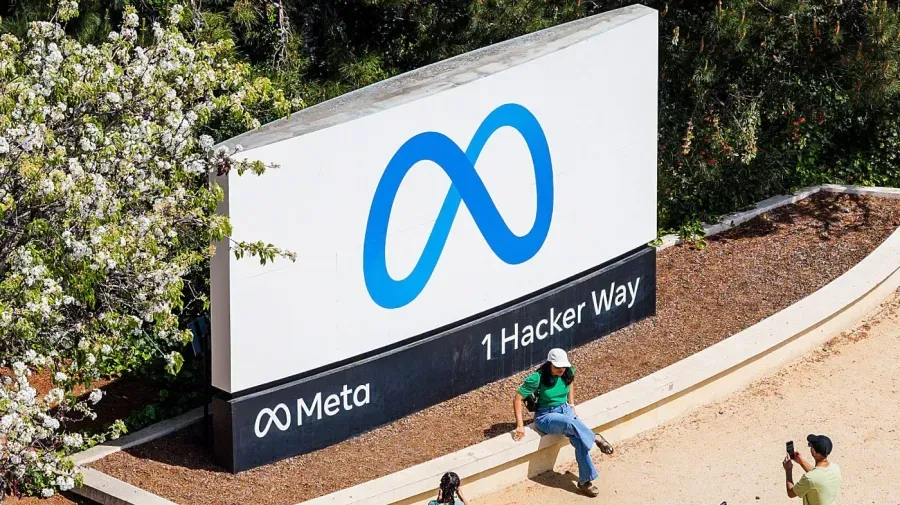
Meta, Facebook and Instagram's parent company, removed its Muse Image AI model for Instagram on Friday, just days after debuting it. The pullback is a warning to decision-makers: privacy backlash can force rapid product reversals, even for new AI features.
Meta removed its new Muse Image AI model for Instagram on Friday, just days after launching the feature and immediately triggering public backlash. The company had advertised the Muse Image AI model on Tuesday as a “creative partner,” positioning it as a way for users to generate AI photos for their social media pages. But the feature did not survive contact with the real world, and Meta took it down within days.
That timeline is the story for executives. Meta shipped a consumer-facing AI capability on Tuesday, met backlash quickly, and removed it on Friday. For anyone building or governing AI products, that is the decision cadence that matters: public reaction is now measured in days, not quarters.
What makes this particularly consequential is the kind of product Meta was offering. Muse Image AI was framed as a companion for creativity, not a behind-the-scenes system. In plain terms, it was a tool inside Instagram for generating AI photos that users would put on their social media pages. Features like that sit right at the intersection of consumer delight and personal data anxieties. Even when a company uses careful language like “creative partner,” the audience hears something else: content identity, consent, and control. When those concerns flare up, they can quickly turn into a reputational issue and, potentially, a compliance issue.
This also fits a broader pattern in how regulators and the public are approaching AI on consumer platforms. While the source does not cite a specific regulator or rule in this incident, privacy backlash is a familiar forcing function across technology categories, especially where user content, imagery, or engagement data could be involved. In recent years, privacy questions have expanded from “what data is collected” to “how it is used,” “who it is shared with,” and “what the user reasonably expects.” A consumer-facing AI tool raises these expectations instantly because it changes what users can create and how quickly they can publish it.
From a governance perspective, the important nuance is that this is not a slow-moving policy debate. Meta did not merely issue messaging or wait for a longer runway. It took the feature down. That suggests internal risk calculations moved fast, and it likely reflects a tradeoff between product velocity and trust. For boards and senior leadership teams, those moments can reshape how they evaluate AI experiments: not whether AI is possible, but how quickly a company can recover when the market says no.
There is also an incentive angle. Social platforms live and die by engagement. AI photo tools are designed to make content creation easier and more frequent, which can increase time spent and posting activity. But every engagement lever comes with an optics lever. When an AI capability becomes a public controversy, it can create a negative feedback loop. Users might pause, regulators might pay attention, advertisers might reassess brand-safety, and journalists might dig into technical and privacy details. In that environment, keeping a feature live can become the more expensive option, even if the tool is popular with some users.
For executives at other platforms and AI product teams, the second-order implication is straightforward: the bar for “launch safely” is higher than it used to be. It is no longer enough to have the model and the interface. Companies also need a launch plan that anticipates privacy concerns, clear user controls, and rapid-response capability. If it takes five days to ship a reversal, then the critical work needs to start before launch, not after backlash begins.
Finally, Meta's move is a signal to the entire AI ecosystem that consumer AI features can be fragile when they touch identity and personal expression. Muse Image AI was marketed as a creative partner, but the product still got pulled days later. That is the lesson the market will remember: when privacy concerns spike, even well-intentioned AI experiments can get cut quickly, and leadership teams should be prepared to make that call fast and publicly.
This story's Key Insights and Take-aways are locked.
Create a free account to unlock Executive Actions for one credit.
Register to UnlockAlways free for Executives Club members. Join the Club
More in Politics

Glacial collapse, not rain, killed 180 in Nepal's Himalayan flood
The Himalaya's extreme geography hid the true cause of Nepal's catastrophic flood, a glacial collapse that turned a geological battleground into a mass-casualty zone.

Iran’s Esmail Baghaei says Oman talks start shipping via Hormuz, not US talks yet
Temporary route plans with Oman aim to restart commerce while Tehran says Washington dialogue is not on the table.
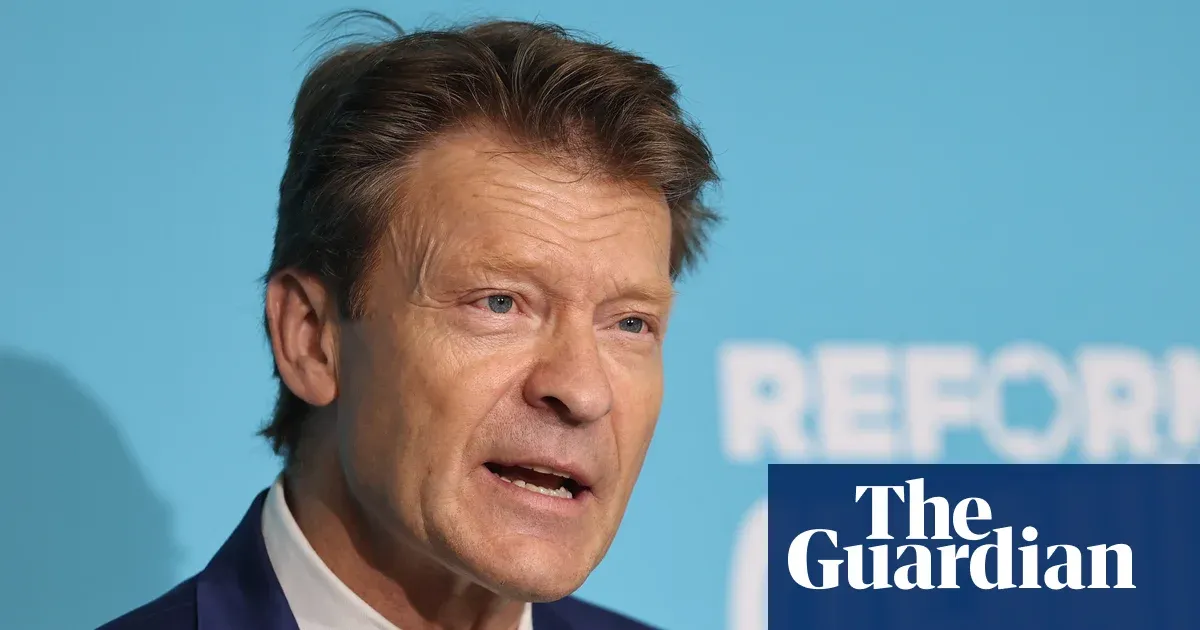
Standards watchdog opens probe into Reform UK deputy leader Richard Tice over interests
The parliamentary standards commissioner says it began an investigation on 28 July into a possible undeclared interest.