

Microsoft's Build 2026: The AI Chip and Surface PC Shift
Satya Nadella unveils a new developer machine and a pivot toward local, always-on AI processing, fundamentally changing the laptop landscape.
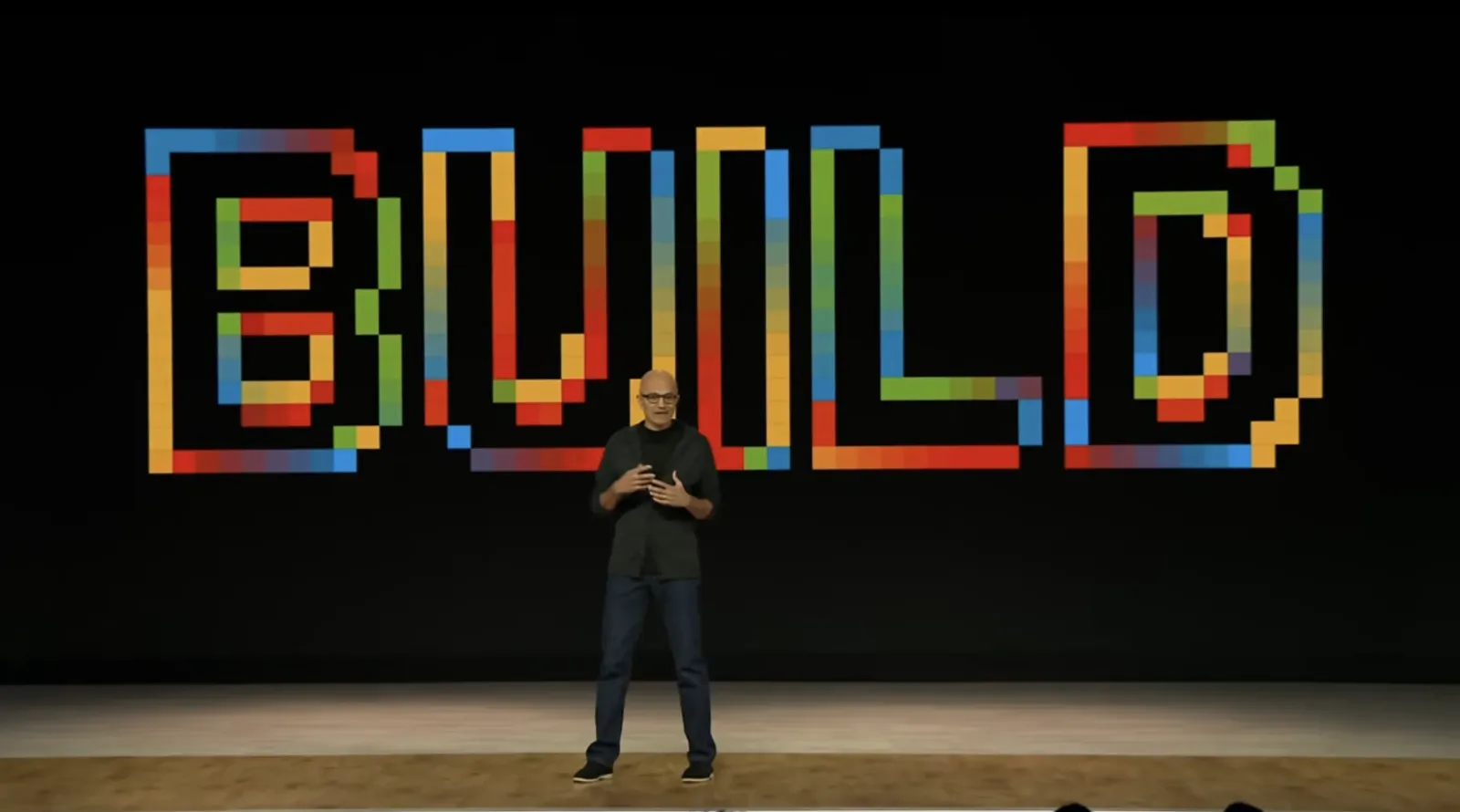
At Microsoft Build 2026, CEO Satya Nadella unveiled the Surface RTX Spark Dev Box, a new mini PC designed to run local AI models, signaling a major strategic shift in computing hardware.
Microsoft kicked off Build 2026 with a keynote from CEO Satya Nadella and company leaders, confirming that the company's hardware strategy is pivoting sharply toward localized, always-on artificial intelligence. The centerpiece of this shift is the introduction of the Surface RTX Spark Dev Box, a specialized mini PC explicitly engineered for developers who need to run complex AI models directly on their device. This move is not merely an incremental hardware update; it represents a direct, strategic response to the market gap left by the cancellation of developer kits from major players like Qualcomm, positioning Microsoft at the forefront of the edge AI computing race. The device is equipped with Nvidia's new Arm-based Spark RTX chip and boasts 128GB of RAM, making it a powerful, portable workstation for the next generation of AI development.
This emphasis on local processing is the most consequential takeaway for any tech operator or investor. Historically, AI processing has been synonymous with the cloud, requiring constant connectivity and relying on massive, remote data centers. However, the Surface RTX Spark Dev Box fundamentally challenges that paradigm. By integrating high-performance, specialized AI silicon (the Nvidia Spark RTX chip) into a consumer-grade, developer-focused form factor, Microsoft is making the power of advanced AI accessible and reliable even when disconnected. This capability is critical for specialized fields, including medical diagnostics, industrial automation, and real-time creative content generation, where latency and data privacy are non-negotiable concerns. For the developer community, this means a powerful, standardized tool that allows them to prototype and test AI applications without the immediate overhead or cost of cloud compute time, accelerating the entire development lifecycle.
Beyond the hardware, the Build 2026 keynote reinforced Microsoft's commitment to an 'always-on' personal assistant experience, suggesting a deeper integration of AI into the operating system layer itself. This isn't just about adding a chatbot; it's about embedding intelligence into the fabric of daily computing. The goal is to create a seamless, proactive digital companion that anticipates needs, manages workflows, and interacts with various Microsoft services-from Office suites to Windows itself-without requiring explicit user prompts for every single action. This level of integration requires not only powerful chips but also a massive, curated dataset of user behavior, which solidifies Microsoft's ecosystem lock-in and competitive moat against rivals.
The broader context of this hardware push must be viewed through the lens of geopolitical and industrial supply chains. The reliance on specialized, high-performance silicon like the Nvidia Spark RTX chip means that Microsoft is deeply embedded in the global semiconductor ecosystem. This dependency is both a strength and a vulnerability. On the one hand, it grants them access to cutting-edge, specialized compute power. On the other, it means their product roadmap is intrinsically tied to the availability and design cycles of key semiconductor partners. For competitors, this signals that the next battleground isn't just the cloud service layer, but the silicon layer itself-the ability to package immense computational power into portable, reliable, and developer-friendly form factors.
Furthermore, the announcement of updates across Microsoft's in-house AI models suggests a parallel effort to ensure that the software layer can fully utilize the power of the new hardware. A powerful chip is useless if the models running on it are generic or poorly optimized. Therefore, the company is likely focusing on optimizing its proprietary AI models (like those powering Copilot) to run efficiently on the edge. This optimization is a massive undertaking, requiring deep collaboration between the hardware engineering teams, the software development teams, and the AI research labs. The ultimate goal is to make the AI experience feel native to the device, rather than like a bolted-on cloud service.
For the broader market, the implications are profound. The traditional laptop market, which has been steadily evolving toward thinness and portability, is now facing a disruptive force: the specialized, high-power AI machine. This shift forces every hardware manufacturer, from Apple to Dell, to reassess their compute strategy. They must decide whether to compete on raw processing power (like the Spark RTX box) or to maintain a focus on pure user experience and integration. The market is signaling that the premium buyer, especially the developer and the enterprise user, is now willing to pay a premium for localized, high-performance AI capability, making the 'edge' the most valuable real estate in computing today. This trend suggests a bifurcation of the market: one segment for ultra-portable, general use, and another for specialized, high-compute AI workstations like the one unveiled by Microsoft.
In summary, the Build 2026 keynote was less about a single product launch and more about a declaration of intent: Microsoft is building the entire stack for the decentralized AI future. They are providing the silicon, the hardware (Surface RTX Spark Dev Box), and the software (optimized in-house AI models) necessary to make advanced AI a local, always-on reality. This comprehensive approach is a formidable challenge to the status quo and sets a new benchmark for what a personal computing device should be in the next five years.
This story's Key Insights and Take-aways are locked.
Create a free account to unlock Executive Actions for one credit.
Register to UnlockAlways free for Executives Club members. Join the Club
More in Technology

OpenAI says 10,000 agents cracked a 90-year math problem in 88 hours
The company's claim is audacious, but one mathematician is pushing back. Here's what it means for AI-driven discovery.

Meta still serves child sexual abuse ads on Instagram in India - BBC report
A new report following the BBC Eye investigation says the ads are still there - what it signals for every platform with a self-serve ad engine.

White House yanks 'Build the Wall' game after Tetris Company copyright warning
The administration's arcade game vanished in hours - and the takedown playbook every brand can learn from.