
Microsoft's quantum chip is 1,000 times more reliable than before
The tech giant details a roadmap to commercial quantum computing, signaling a massive shift in computational power and industry timelines.
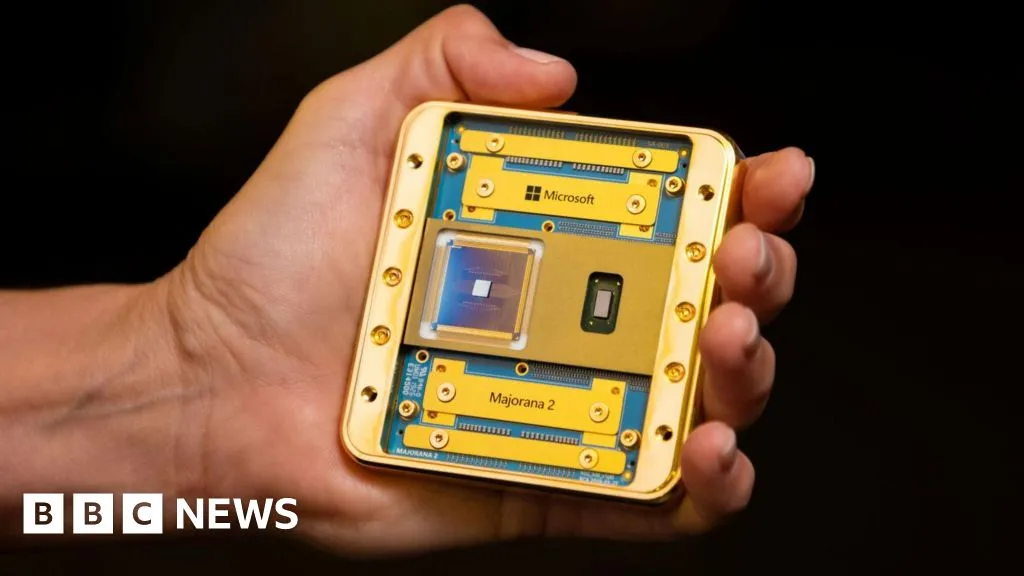
Microsoft announced a significant breakthrough in quantum computing, claiming a new chip is 1,000 times more reliable than its predecessor. This development accelerates the timeline for solving commercially useful problems, forcing immediate reassessment of quantum readiness across all major industries.
Microsoft has just dropped a major signal in the quantum computing race: they claim a new quantum chip is 1,000 times more reliable than its predecessor. This isn't just an incremental upgrade; it represents a massive leap in stability and coherence, addressing one of the most persistent and costly hurdles in the field. Reliability, or fidelity, is the Achilles' heel of quantum computing. Early quantum processors often suffered from high error rates, meaning that complex calculations would frequently collapse due to noise or decoherence, rendering them useless for real-world, commercially valuable problems. By achieving a tenfold improvement in reliability, Microsoft is dramatically de-risking the technology and bringing the promised timeline for practical application much closer.
This breakthrough is part of a broader, ambitious roadmap. The tech giant has publicly stated its prediction that it will have a quantum computer capable of solving commercially useful problems by the end of the decade. This timeline, while aggressive, is underpinned by the foundational improvements like the one detailed in the new chip. The ability to maintain quantum states long enough and accurately enough to run complex algorithms-the kind that could revolutionize drug discovery, materials science, or financial modeling-is the key metric.
This story's Key Insights and Take-aways are locked.
Create a free account to unlock Executive Actions for one credit.
Register to UnlockAlways free for Executives Club members. Join the Club
More in Technology

OpenAI says 10,000 agents cracked a 90-year math problem in 88 hours
The company's claim is audacious, but one mathematician is pushing back. Here's what it means for AI-driven discovery.
Meta still serves child sexual abuse ads on Instagram in India - BBC report
A new report following the BBC Eye investigation says the ads are still there - what it signals for every platform with a self-serve ad engine.

White House yanks 'Build the Wall' game after Tetris Company copyright warning
The administration's arcade game vanished in hours - and the takedown playbook every brand can learn from.