
Mojang says Minecraft Dungeons 2 adds more vanilla callbacks than its last ARPG
New exploration and armor changes are Mojang's attempt to make the spinoff feel like “regular Minecraft,” by design.
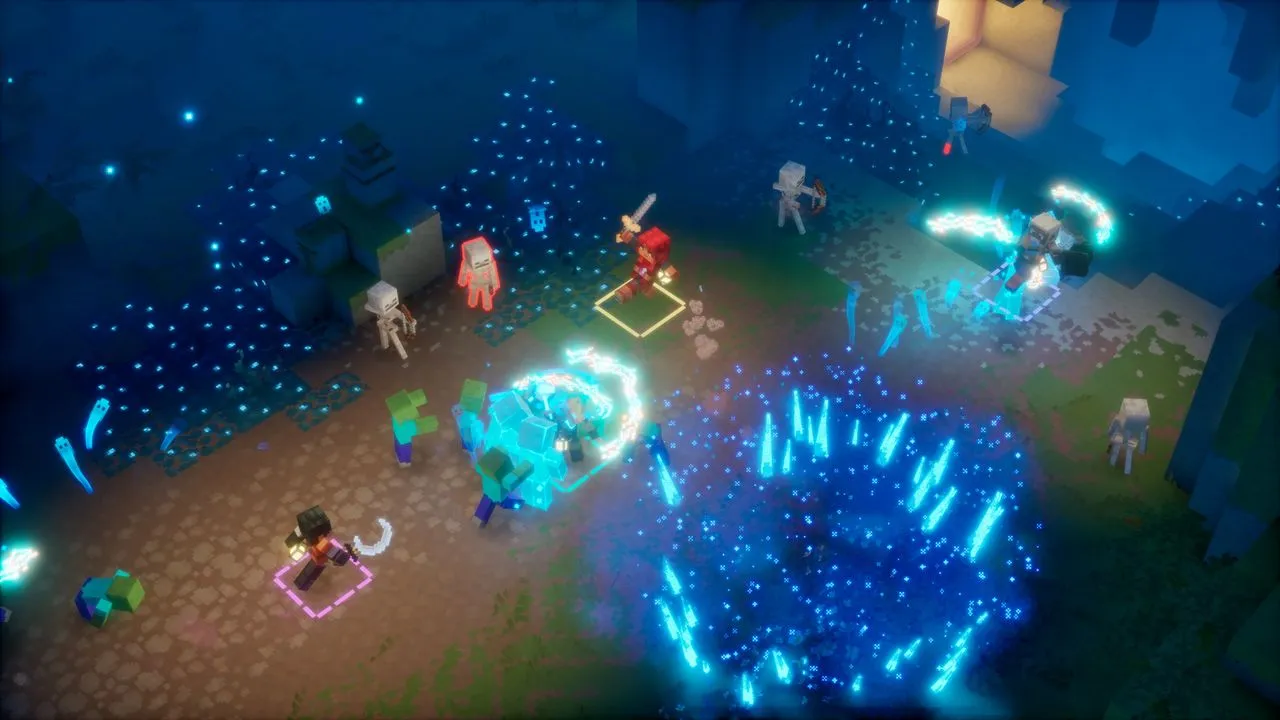
Mojang says Minecraft Dungeons 2 includes more overt callbacks to vanilla Minecraft than the last ARPG it released. The developer is making big changes to exploration and armor systems to better express the feel of Minecraft.
Mojang is explicitly dialing up the “vanilla Minecraft” feel in Minecraft Dungeons 2, and it is doing so in a very specific way. The studio says the sequel has more overt callbacks to the original Minecraft than the last ARPG it released. That is the core bet: if Minecraft is the universe, then this action role-playing game needs to look, move, and reward in a way that players recognize as Minecraft first, ARPG second.
The pitch is not subtle. Mojang is making big changes to exploration and armor systems, aiming to turn those mechanics into a better expression of “regular Minecraft.” In practice, that means the sequel is designed to feel more like the sandbox identity players associate with Minecraft, even though the format is still a dungeon-crawling ARPG. If you are a decision-maker watching this kind of platform spinoff, the important part is the internal logic Mojang is following: when the brand is Minecraft, the safest way to earn trust is to reflect the brand in systems, not just aesthetics.
To understand why Mojang would underline “more overt callbacks” this early, zoom out to how ARPGs usually evolve. The genre pushes players toward loot optimization and efficient routes, which can accidentally sand down the signature texture that made the original property compelling. Minecraft's strength is that its play patterns are driven by exploration, building, and creative problem-solving. When you port that spirit into an ARPG, exploration and gear stop being background mechanics and start becoming the story. Mojang is effectively saying, “We know where the previous version went light on the Minecraft identity, so we are addressing the levers that matter.”
Exploration systems and armor systems are also where “brand feel” becomes measurable. Exploration determines whether movement and discovery are meaningful or merely functional. Armor determines how players read progression, style, and identity through loot. By changing both, Mojang is treating the ARPG as a user experience problem, not just a content problem. More callbacks are one thing. Better callbacks, implemented through how players navigate levels and how they interpret armor, is another.
There is also a board-level reason to care about this framing. For a big studio-owned franchise, the biggest risk is not that players will hate the game in isolation, it is that they will not see the connection. The longer an ARPG feels like a generic dungeon crawler wearing Minecraft branding, the harder it is to justify ongoing investment. Mojang is trying to prevent that drift by connecting gameplay systems directly to “vanilla Minecraft.” That is a classic platform strategy: use the core IP not as a skin, but as a set of behavioral expectations.
Regulatory background is not usually the headline driver for a Minecraft spinoff, but it matters indirectly because it shapes what product teams can assume about player experience. In many markets, consumer protection and platform rules increasingly focus on transparency, monetization clarity, and accessibility. Even when nothing in Mojang’s statement suggests a compliance issue, companies still have to operate inside environments where design changes can have downstream effects on player behavior. When a developer makes large changes to exploration and armor, they also change how long players stay engaged, how they evaluate rewards, and how they compare progression. That can influence everything from player retention strategies to how publishers measure engagement, especially in live-service ecosystems.
The second-order implication for executives and other studios is simple: Mojang is signaling that “callback” is not a marketing term for them. It is a development directive. If this approach lands, competitors will feel pressure to translate brand DNA into mechanics, not just references. If it misses, the lesson will be equally painful: spinoffs cannot rely on name recognition alone when players have learned to demand consistency.
So the strategic stakes are real. Mojang is betting that by making Minecraft Dungeons 2 a better expression of regular Minecraft, it can strengthen player trust and reduce the odds of the game being dismissed as “a Minecraft-themed ARPG” rather than “Minecraft, but in this form.” For decision-makers evaluating franchise extensions, that is the question to watch: can you earn the right to innovate by preserving the moments and systems players associate with the original experience?
This story's Key Insights and Take-aways are locked.
Create a free account to unlock Executive Actions for one credit.
Register to UnlockAlways free for Executives Club members. Join the Club
More in Entertainment
House of the Dragon’s premiere earns a standout Rotten Tomatoes score
After Thrones’ polarizing finale, the franchise’s biggest spinoff returns with a top-tier Rotten Tomatoes debut.

Vought Rising ships Vought Rising in 2027, and Starlight's arc is not done
Prime Video is expanding The Boys universe with a 2027 prequel and a Mexico spinoff, keeping Starlight’s story in motion.

WSJ: Polymarket paid creators for fake winning clips, misleading over 1,100 times
A Wall Street Journal investigation says Polymarket paid for deception that looks real on social media, and the scale is massive.