
House of the Dragon’s premiere earns a standout Rotten Tomatoes score
After Thrones’ polarizing finale, the franchise’s biggest spinoff returns with a top-tier Rotten Tomatoes debut.
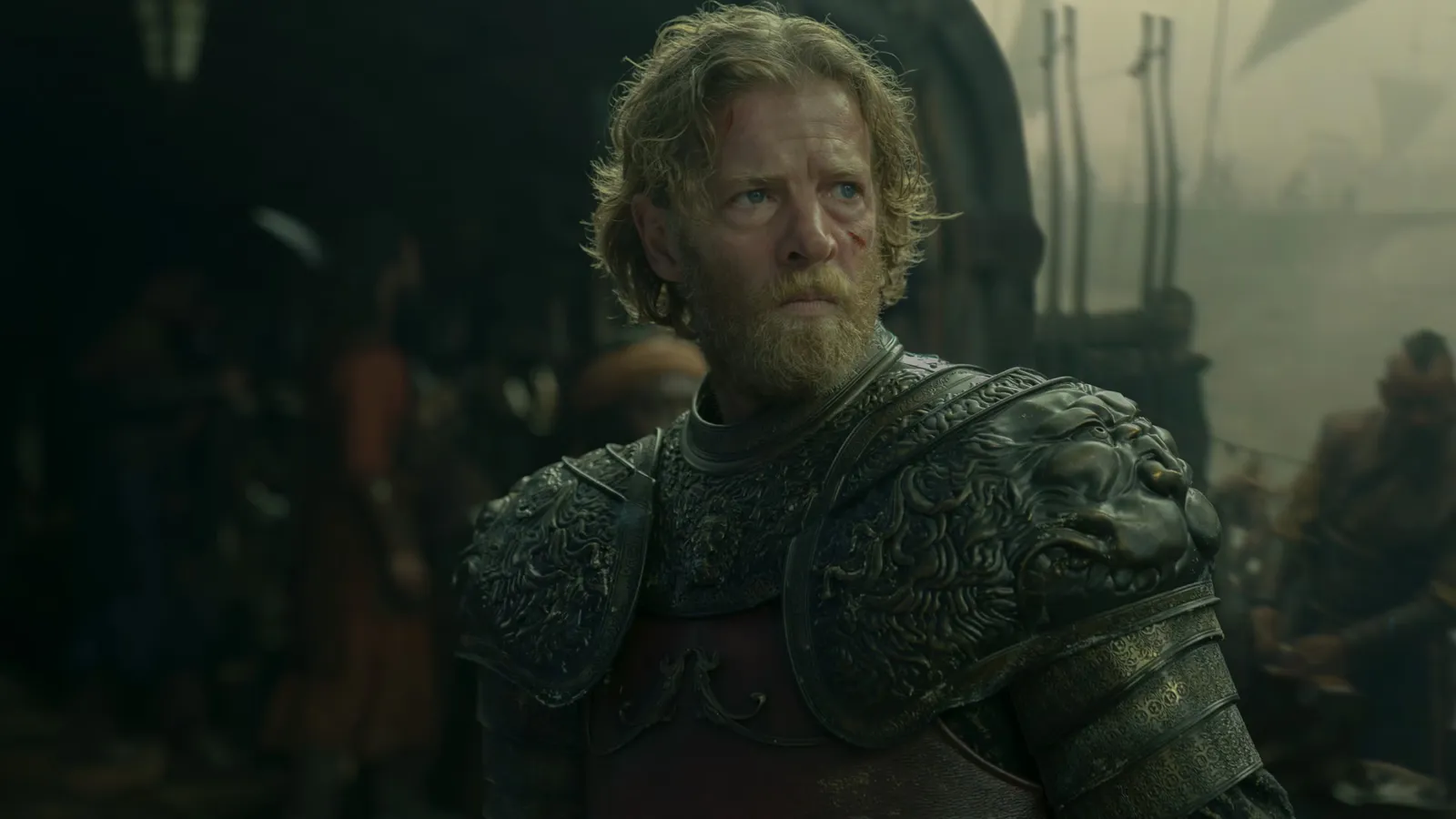
HBO's Game of Thrones franchise is back in public view as its biggest spinoff, House of the Dragon, returns to the small screen. The premiere has earned one of Westeros' highest Rotten Tomatoes scores yet, resetting how decision-makers may view the series' momentum.
HBO's Game of Thrones franchise is staging a comeback on the same front that matters to studios: audience and critic signal. ScreenRant reports that the franchise's latest season arrives with a stellar debut Rotten Tomatoes score, and specifically that its biggest spinoff, House of the Dragon, has returned with one of Westeros' highest Rotten Tomatoes scores yet. This matters because the franchise is no longer judged only on scale. It is judged on whether the next chapter can fix the trust break that the flagship show faced after its poorly received ending.
That context is the whole point. Game of Thrones used to be a runaway cultural engine, and now it has a problem many category leaders recognize: once the finale disappoints, every subsequent release has to earn credibility from scratch. ScreenRant frames the current moment as “an undeniable comeback” for HBO’s broader Thrones portfolio after that ending. In other words, this Rotten Tomatoes score is not just trivia for fans. It is a measurable proof point that the spinoff can still land.
For executives, the practical question is what a rating like this changes inside a company. Rotten Tomatoes is one of the most widely read “consensus” meters in entertainment, and studios and streamers use it as a fast shorthand for critical reception when planning renewals, marketing pushes, and future slate decisions. While a site score is not the same thing as guaranteed revenue, it does feed the ecosystem that drives distribution confidence, advertiser comfort, and press momentum. When ScreenRant highlights “one of Westeros' highest Rotten Tomatoes scores yet,” it is essentially saying this release cleared a bar the franchise itself struggled to satisfy at the end of its flagship run.
Zooming out, ScreenRant also places this return inside a broader expansion strategy. The franchise is growing with two TV spinoffs, a Mad King prequel play, and an upcoming movie that will chronicle King Aegon Targaryen's conquest of Westeros. That is a classic media portfolio approach: diversify formats and time periods so you are not betting all brand equity on a single storyline. But it is also a bet that each new title can either match or repair the franchise reputation. In that sense, a top-tier Rotten Tomatoes debut becomes a risk-management tool. It reduces the chance that the franchise’s post-finale credibility gap keeps widening.
There is also a board-level implication hidden in ScreenRant’s phrasing. The franchise is “bigger than ever,” yet ScreenRant notes it has “not necessarily always been better.” That is the key tension for leadership teams. Scale can mask underperformance, but it cannot mask reputational damage forever. If critics and early reception signal a positive trend, it changes internal confidence during the next cycle of renewals and greenlights. It can also influence how stakeholders compare HBO’s Thrones slate to other prestige franchises competing for attention, talent, and marketing budgets.
Regulatory background is not front and center in the ScreenRant piece, but the industry incentive structure around major series is straightforward. Content is produced in competitive markets where platforms and distributors face scrutiny for advertising standards, consumer protection, and classification rules, depending on region. Even without new regulation mentioned in the source, decision-makers still have to think about risk controls: reputational risk from product quality issues, brand risk from cultural backlash, and commercial risk when reception turns. A strong debut score can help stabilize those risk variables because it provides an externally validated “quality floor” for marketing claims.
Finally, the strategic stakes extend beyond HBO. Game of Thrones is a benchmark franchise, and other studios and streamers learn from these cycles because prestige series are now built like long-duration financial instruments. A franchise can fracture after a widely criticized ending, and the next releases must do more than entertain. They must restore confidence across critics, audiences, and investors who track the health of cultural brands. ScreenRant’s framing of House of the Dragon returning with one of the highest Rotten Tomatoes scores yet signals that HBO may be successfully re-earning that confidence. For peers in similar roles, the takeaway is that the next premiere is not just the next season. It is a referendum on the brand’s ability to keep its promise.
This story's Key Insights and Take-aways are locked.
Create a free account to unlock Executive Actions for one credit.
Register to UnlockAlways free for Executives Club members. Join the Club
More in Entertainment

Mojang says Minecraft Dungeons 2 adds more vanilla callbacks than its last ARPG
New exploration and armor changes are Mojang's attempt to make the spinoff feel like “regular Minecraft,” by design.

Vought Rising ships Vought Rising in 2027, and Starlight's arc is not done
Prime Video is expanding The Boys universe with a 2027 prequel and a Mexico spinoff, keeping Starlight’s story in motion.

WSJ: Polymarket paid creators for fake winning clips, misleading over 1,100 times
A Wall Street Journal investigation says Polymarket paid for deception that looks real on social media, and the scale is massive.