

Munich court tells Suno it violated music copyrights in its AI service, Friday
A regional court in Munich ruled Suno infringed copyrights with its generative music. Suno is evaluating appeal options.

A German court in Munich ruled against U.S.-based Suno in a lawsuit challenging the company’s generative AI music service. Suno says it is evaluating its options after the ruling, including an appeal.
A regional court in Munich ruled Friday that U.S.-based generative AI music company Suno violated copyrights. The case centered on Suno’s use of music covered by licensing, and the court found that Suno’s approach crossed the copyright line.
This matters now because the ruling directly targets the core workflow of an AI music generator: training and generation that depend on copyrighted material. Suno said it is evaluating its options in the wake of the ruling, including an appeal, which means the legal fight is not just a “one and done” decision. It is a signal to the entire generative audio category that courts are willing to treat AI music outputs as a copyright issue, not merely a technical one.
To understand why Munich is such a big deal, it helps to remember how copyright licensing and infringement standards tend to work in practice. Copyright is not an abstract concept for these companies. It is a set of rights tied to specific creative works, and licenses are the mechanism that tells you what you can do with a piece of content. When a company says it used “music covered by the licensing” terms, the question becomes whether the AI system stayed inside what those rights allow. A court decided it did not.
Suno is evaluating options, including an appeal, but the existence of the ruling changes the risk math for decision-makers. If a court finds infringement based on how copyrighted music was used, then every new feature that touches training data, user input, or output workflows gets pulled into the compliance spotlight. That often means teams spend more time on evidentiary hygiene: documenting datasets, mapping permissions, and tightening the chain between licensed material and what the model produces.
This is also a board-level issue because court losses can quickly turn into financial and product constraints, even before there is a final appeal decision. In disputes like this, companies can face injunction risk, settlement pressure, and platform or partner hesitation. Even if Suno appeals, the market does not wait for legal timelines to finish. Competitors, investors, and commercial partners watch what courts signal, and they adjust their own strategies accordingly.
The German decision lands in a broader regulatory environment where AI and IP have become locked in the same room. European jurisdictions have been increasingly explicit that generative AI is not automatically exempt from existing rights frameworks. In the EU, the baseline assumption is that copyright law still governs how you use creative works, and AI does not magically rewrite those rules. That is the background pressure behind cases like this: policymakers and courts are trying to prevent a world where technological capability outruns licensing and permissions.
For peers building generative music, audio, or even adjacent media tools, the second-order effect is simple: legal uncertainty becomes operational uncertainty. Product teams start asking whether their “training” story is defensible, not just whether their outputs sound good. Legal teams start pushing for clearer dataset provenance and more robust controls around content use. And executives start thinking about how quickly they can pivot if a court narrows what is considered permissible.
Suno’s next move, including an appeal, will be watched closely. But the immediate takeaway for executives is that courts are now actively adjudicating the copyright boundaries of AI music generation, using infringement theories that focus on the use of music covered by licensing. In other words, this is not only about one company. It is a live test of how the industry will translate licensed creative rights into permissioned, defensible AI systems.
This story's Key Insights and Take-aways are locked.
Create a free account to unlock Executive Actions for one credit.
Register to UnlockAlways free for Executives Club members. Join the Club
More in Entertainment
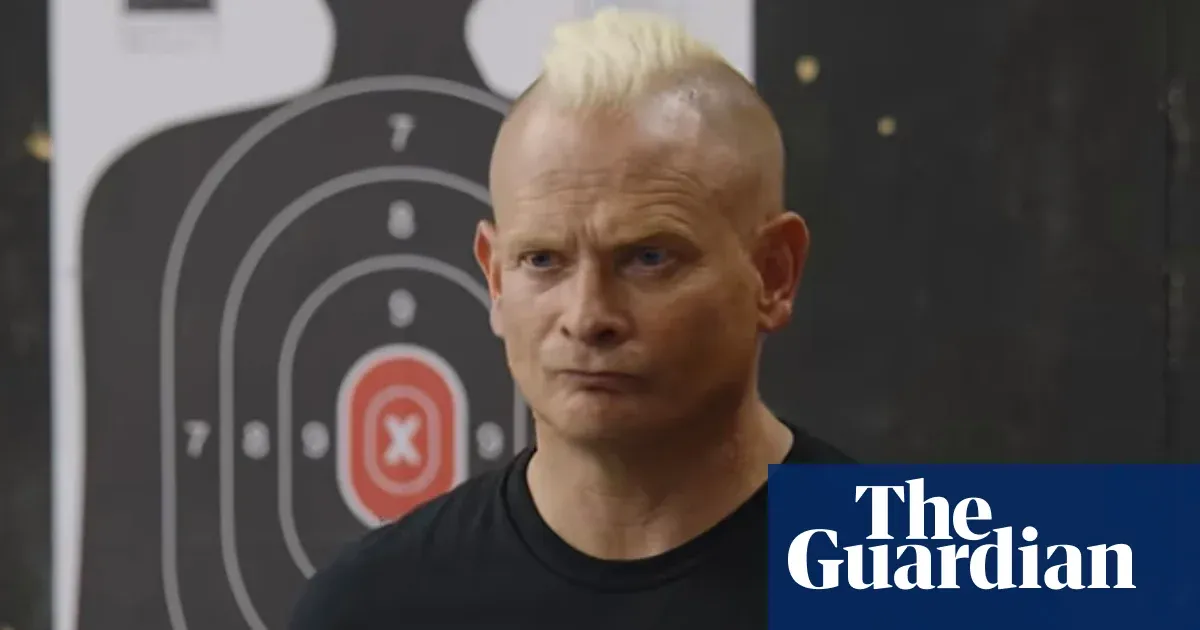
Ali G's 'stooge' says he was in on joke, outplayed Sacha Baron Cohen
A 54-year-old aspiring actor says he recognized Sacha Baron Cohen mid-shoot, kept his MAGA act up, and let the film-makers think they had fooled him.

Entertainer Russell Brand denies 7 sex charges amid accuser's 'couldn't breathe' claim
The alleged victim's account sharpens the reputational and legal stakes for Brand, his platforms, and any business tied to a public figure under criminal scrutiny.

Russell Brand's accuser 'bewildered and confused' as he denies 7 sex charges
The criminal case against the comedian is a live test of how media companies manage talent risk when serious allegations go public.