

Musk pledges $10B in SpaceX shares to every kid in America
The Tesla and SpaceX CEO's gift would amount to roughly 1% of his net worth, turning millions of minors into private-company shareholders.
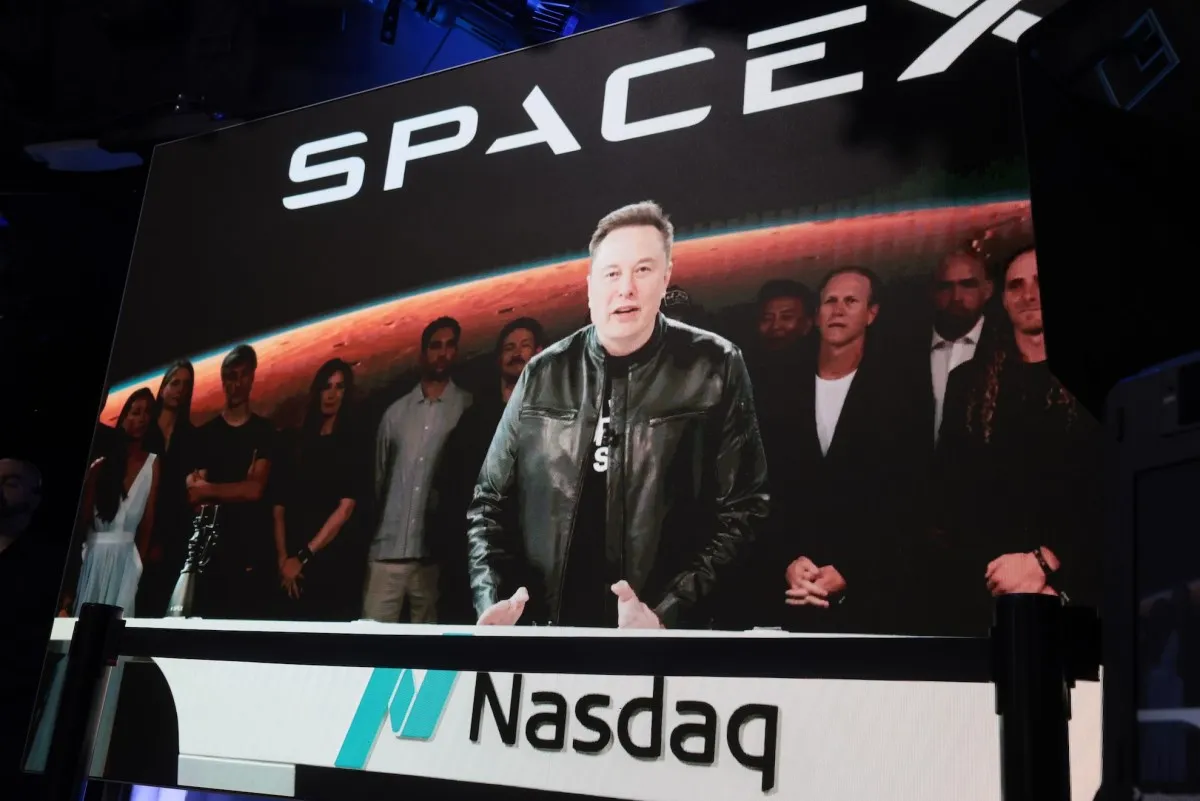
Elon Musk pledged to give every child in America shares of SpaceX, a gift worth more than $10 billion, or about 1% of his net worth. The pledge, if executed, would create a massive wealth transfer and put a new class of shareholders on SpaceX's cap table.
Elon Musk is pledging to give every kid in America a piece of SpaceX. The Tesla and SpaceX CEO said he would distribute shares to children across the country, a gift valued at more than $10 billion, or roughly 1% of his current net worth, according to TechCrunch. That figure alone is staggering, but the math behind it is even more striking: if $10 billion represents about 1% of Musk's wealth, his net worth sits near $1 trillion. For a person with $100,000 in assets, the equivalent gesture would be handing over $1,000 to strangers' children. There are roughly 73 million Americans under 18, so a straight per-child split would work out to about $137 per kid, though the actual value of each share grant would depend on SpaceX's valuation and how the gift is structured.
SpaceX is one of the most valuable private companies in the world, and its shares do not trade on any public exchange. That makes this pledge far more complicated than writing a check. Musk would need to transfer actual equity, which could involve setting up trusts or custodial accounts for millions of minors. The logistics alone, from identifying every child to navigating state-by-state guardianship laws, would be a monumental undertaking. And because SpaceX is private, valuing those shares for tax purposes is not straightforward. The IRS would almost certainly scrutinize a gift of this size, and the company's valuation is set by private market transactions rather than a public ticker.
The pledge also raises questions about why Musk is doing this. The source does not include a detailed rationale, but the move fits a pattern of grand, attention-grabbing announcements from a CEO who has built his brand on ambitious promises. Musk has previously talked about the importance of spreading wealth and has made large charitable donations, though this pledge is different in scale and scope. It puts equity, not cash, directly into the hands of children, and it positions Musk as a figure willing to share the upside of his most valuable private asset with the next generation.
For SpaceX, the pledge could reshape its shareholder base in unprecedented ways. The company's current investors include venture capital firms, mutual funds, and employees with equity. Adding millions of children as shareholders would be a first for a private company of this size. Minors cannot easily sign legal documents, make investment decisions, or vote shares, so guardians would need to act on their behalf. That could complicate future fundraising rounds, board approvals, and any eventual liquidity event, such as an IPO or secondary sale. Investors and employees holding SpaceX equity would suddenly be sharing the cap table with a generation of kids, each with a tiny but real claim on the company's future.
The broader implication for executives and boards is about the power of equity as a tool for both motivation and public relations. Musk's pledge, even if it never fully materializes, signals that private-company shares are becoming a currency for public gestures. It also puts pressure on other ultra-wealthy founders to think about how they structure their own wealth transfers. If Musk follows through, it could invite scrutiny of how billionaires use equity to shape their legacies, and it might inspire copycat pledges that force boards to consider the operational complexity of giving away ownership at scale.
There is also a strategic angle for peers in similar roles. The pledge highlights the tension between a founder's personal wealth and a company's governance. Musk's net worth is heavily concentrated in SpaceX and Tesla stock, so giving away SpaceX shares does not dilute his control in the same way a cash donation might. But it does create a new class of stakeholders with no direct relationship to the company, which could complicate decision-making down the road. Boards and CFOs watching this story should note that equity is not just a compensation tool; it is a statement of values, and once distributed, it is very hard to take back.
Whether the pledge becomes reality remains to be seen. Musk has a history of making bold promises that are delayed, modified, or quietly abandoned. But even as a statement, it signals something important: the world's richest people are thinking about how to distribute their fortunes, and private-company equity is becoming a vehicle for public generosity. For anyone tracking the intersection of wealth, technology, and policy, this is a story worth watching closely.
This story's Key Insights and Take-aways are locked.
Create a free account to unlock Executive Actions for one credit.
Register to UnlockAlways free for Executives Club members. Join the Club
More in Business

Elon Musk unveils a flying car, and SpaceX helped build it
The Tesla CEO's showcase at a SpaceX facility signals a future where road and rocket engineering converge.

Apple's $2,000 iPhone Duo opens preorders, taking on Samsung and Google
Apple's first foldable hits the market at a premium price, reshaping a category Samsung and Google have led.

Pope Leo XIV, first American pope, diagnosed with lung cancer
The 71-year-old Chicago-born pontiff underwent successful surgery on his right lung, and his diagnosis raises new questions about his AI-focused papacy and the Vatican's future.