
Musk to give every U.S. kid a SpaceX share next year: $10.5B
Musk's plan to hand every American child a SpaceX share worth $10.5B raises questions about wealth, AI, and whether money will even matter.
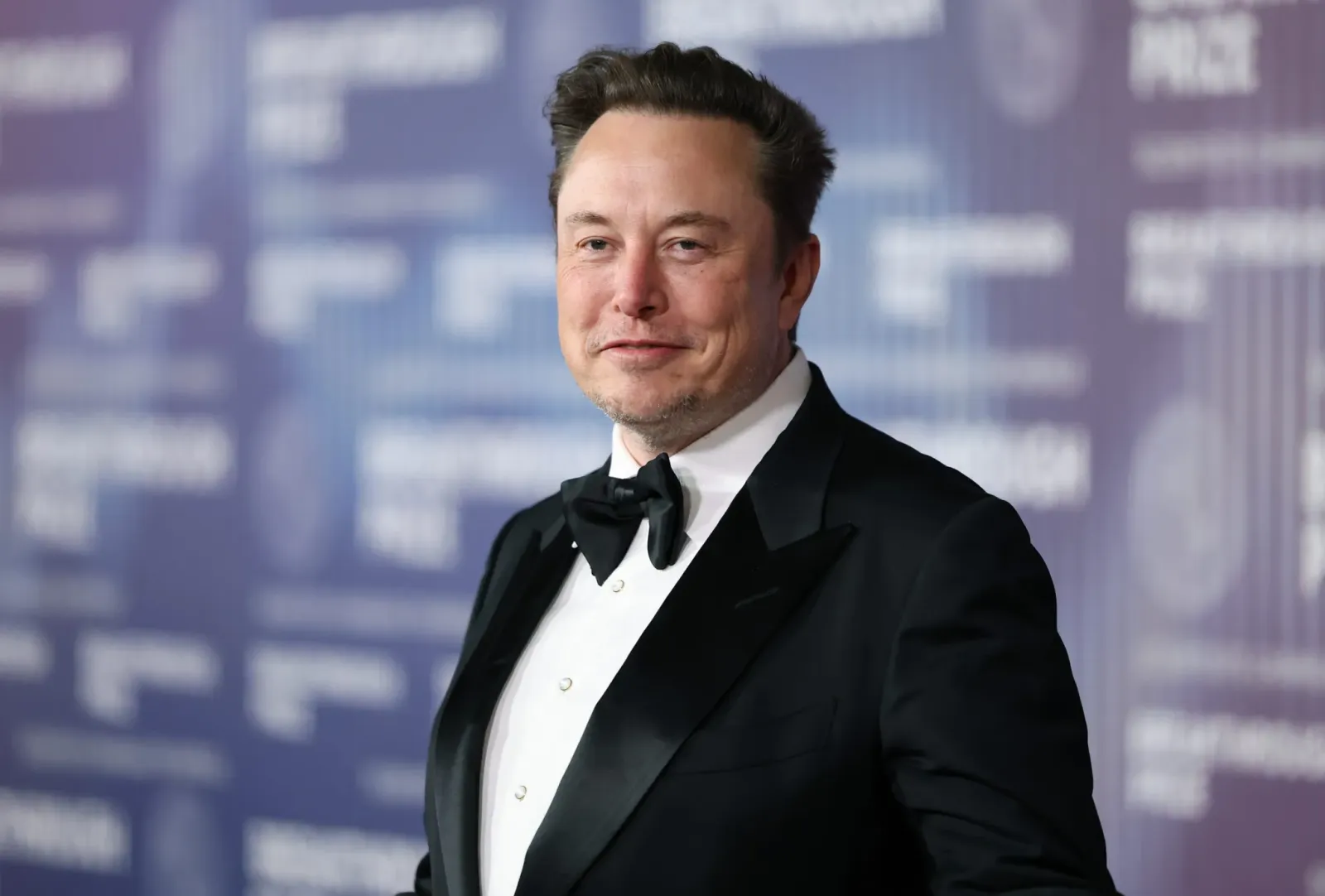
Elon Musk, the world's richest person, announced he will give one SpaceX share to every U.S. child next year, totaling over $10.5 billion. The giveaway would barely reduce his holdings, but it comes as Musk predicts AI will make money obsolete, raising strategic questions for executives about wealth distribution and automation.
Elon Musk, the richest person in the world, says he will give one SpaceX share to every kid in America next year - a giveaway worth more than $10.5 billion. The 55-year-old, worth $904 billion, currently owns about 4.8 billion SpaceX shares, according to an August SEC filing, and the roughly 72 million U.S. children under 18 would each receive a share currently priced at $146.03, based on Friday's closing price.
That adds up to $10.5 billion in stock, but it would lower Musk's SpaceX share count by just 1.5% - a rounding error for a man whose net worth has been estimated at $904 billion. The pledge, made in a recent X post, came after Anthropic announced plans to commit 5% of its shares to a public benefit fund, prompting Musk to recommend giving shares directly to the public.
Musk's proposal is part of a larger push to build wealth for American children. Earlier this month, the Treasury Department automatically enrolled millions of U.S. kids in Trump Accounts, a new federal savings and investment vehicle providing a one-off $1,000 government contribution. But Musk's own predictions suggest that money - and by extension, the value of SpaceX stock - could become meaningless in the very future these children will inherit.
The SpaceX CEO foresees an 'age of abundance' where AI and robots do most of the work, potentially reducing the need for people to earn a living. He has said that tools will make more goods and services available than people could possibly need, and that the concept of money will become moot. 'My prediction is that there will be effectively universal high income,' Musk said in an interview last month with state-owned China Media Group. 'In fact, it's not clear to me that money will even matter in the future.'
Nobel economist Daron Acemoglu responded on X that it's a prime 'opportunity to put your money where your mouth is,' calling on Musk to donate his massive net worth within the next 10 years. Musk replied that he is 'actually going to do something along these lines.' But Musk hasn't pledged to financially back universal high income, and even if he split his $904 billion fortune among the 342.9 million people in the U.S., each person would receive only about $2,636.
For executives and boards, Musk's announcement is more than a publicity stunt. It signals a growing conversation about wealth distribution in an AI-driven economy, and it puts pressure on other billionaires and companies to consider how they structure ownership and give back. The fact that Musk's giveaway would barely dent his holdings underscores the concentration of wealth at the top - and the relatively small cost of grand gestures for the ultra-wealthy. Meanwhile, the timing - right after the Treasury's Trump Accounts rollout - suggests a political dimension, as Musk aligns with a broader push for government-facilitated wealth-building for children.
The logistics alone are staggering: 72 million individual share transfers, each requiring a custodial account or brokerage setup for a minor. Musk hasn't shared details on timeline or mechanics, and SpaceX is a private company, so the shares are illiquid and carry no public market price. That means the 'value' of $146.03 per share is based on SpaceX's internal stock price, not something kids can easily cash out. For parents, the practical question is whether these shares will be held in trust, sold back to the company, or simply become a novelty certificate.
The bigger strategic takeaway: Musk is using his platform to push a radical vision of post-scarcity economics, and his actions - however symbolic - are being watched by policymakers and investors. If AI truly eliminates the need for work, then traditional wealth metrics and equity compensation may lose their meaning. For now, the giveaway is a bet that SpaceX's value will continue to soar, and that a generation of American children will become shareholders in the most valuable private company on Earth. Whether that bet pays off depends on whether money still matters when they grow up.
This story's Key Insights and Take-aways are locked.
Create a free account to unlock Executive Actions for one credit.
Register to UnlockAlways free for Executives Club members. Join the Club
More in Business

Elon Musk unveils a flying car, and SpaceX helped build it
The Tesla CEO's showcase at a SpaceX facility signals a future where road and rocket engineering converge.

Apple's $2,000 iPhone Duo opens preorders, taking on Samsung and Google
Apple's first foldable hits the market at a premium price, reshaping a category Samsung and Google have led.

Pope Leo XIV, first American pope, diagnosed with lung cancer
The 71-year-old Chicago-born pontiff underwent successful surgery on his right lung, and his diagnosis raises new questions about his AI-focused papacy and the Vatican's future.