

Myanmar junta escalates offensive to reclaim Chinese-backed project zones
The military's push to retake areas around China's port and pipeline investments raises stakes for Beijing's regional strategy and the junta's survival.
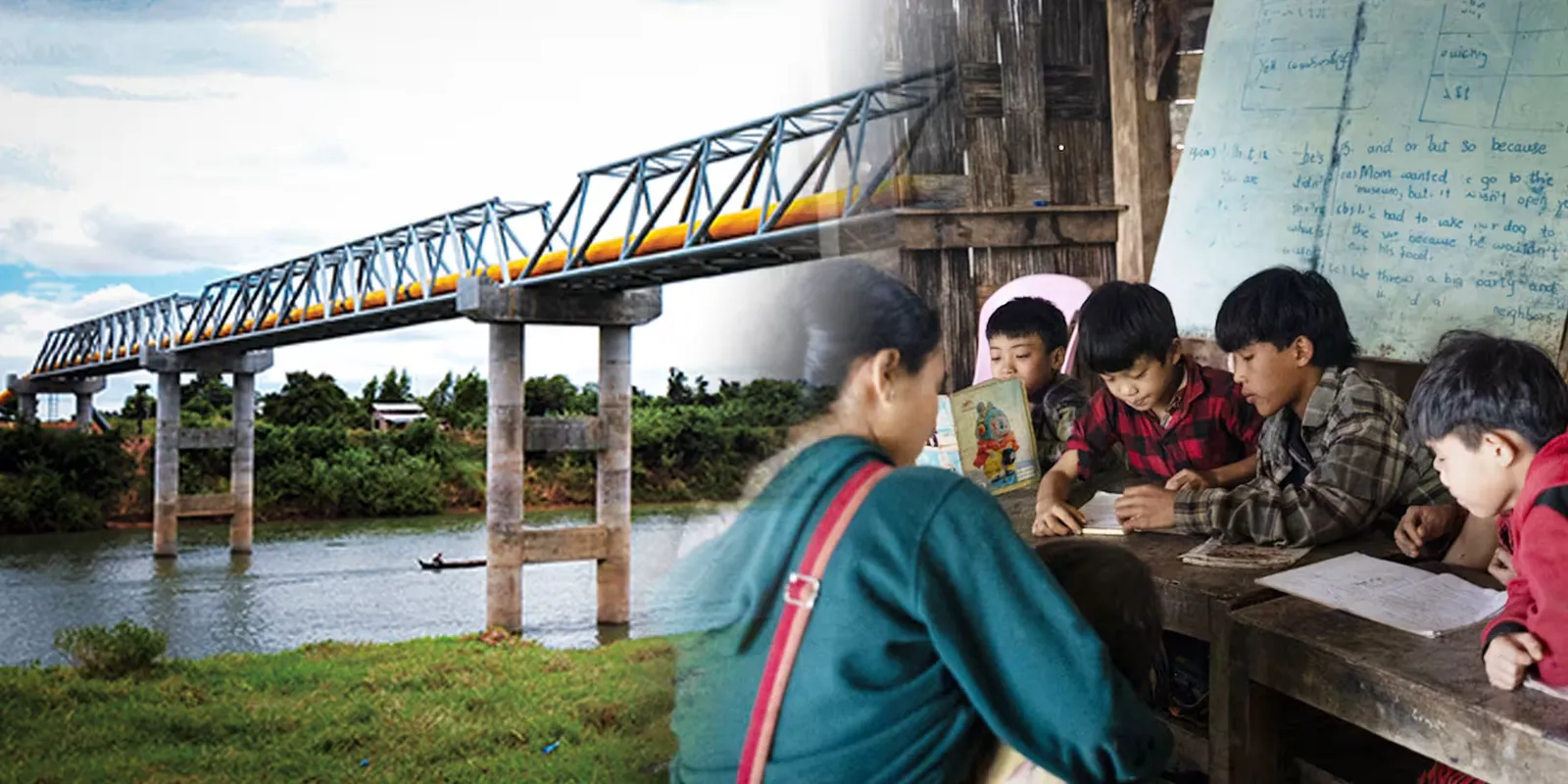
Myanmar's military has intensified operations to retake territory around Chinese infrastructure projects, including the Kyaukphyu deep-sea port and oil/gas pipelines. The escalation threatens to deepen the civil war and test Beijing's balancing act between the junta and rebel groups.
The Myanmar military has intensified its offensive to retake areas around Chinese infrastructure projects, a move that underscores the junta's desperation and the strategic importance of these assets. The focus is on Rakhine State, where the Arakan Army, a powerful ethnic armed group, has made significant gains since the 2021 coup. The military's push aims to secure the Kyaukphyu deep-sea port and the twin pipelines that run from the Bay of Bengal to China's Yunnan province. These projects are not just economic assets; they are lifelines for China's energy security and a cornerstone of its Belt and Road Initiative in Southeast Asia.
The stakes are enormous. The Kyaukphyu port, once completed, would give China a direct Indian Ocean outlet, reducing its dependence on the Strait of Malacca, through which most of its energy imports pass. The pipelines, which have been operational for years, carry crude oil and natural gas directly to China's landlocked southwest. For the junta, controlling these areas is a matter of survival, both financially and politically. Losing them to rebel forces would not only deprive the military of potential revenue but also signal that it cannot protect key foreign investments, further isolating it internationally.
The offensive comes after months of battlefield setbacks. The Arakan Army has seized several towns in Rakhine State, including border posts and areas near the port. In response, the military has launched airstrikes and ground operations, but it faces a well-equipped and motivated adversary. The Arakan Army is one of the most effective ethnic armed groups in Myanmar, with experience in guerrilla warfare and a strong base of local support. The military's counteroffensive is likely to be costly and may not achieve its objectives, given the rugged terrain and the group's familiarity with it.
For China, the situation is a delicate balancing act. Beijing has maintained cordial relations with the junta, providing diplomatic cover and economic support, but it has also quietly engaged with ethnic armed groups, including the Arakan Army, to protect its interests. The escalation of fighting around Chinese projects puts Beijing in a difficult position. If it sides too openly with the junta, it risks alienating the very groups that could control the areas in the future. If it does nothing, it risks losing billions in investments and a strategic foothold in the Indian Ocean.
The regional implications are significant. The conflict in Rakhine State has already displaced tens of thousands of people and disrupted trade routes. The port and pipelines are part of a larger economic corridor that connects China to the Indian Ocean, and any disruption could have ripple effects across Southeast Asia. India, which has its own connectivity projects in the region, is watching closely. The instability also provides an opening for other powers, such as the United States and Japan, to expand their influence in Myanmar's neighborhood.
The economic stakes are not limited to China. The junta relies on revenue from natural gas exports, some of which flow through the pipelines. A prolonged conflict could cut off this income, further weakening an already fragile economy. The military has also been accused of using scorched-earth tactics in its campaigns, which could lead to long-term damage to the region's infrastructure and environment. For local communities, the fighting means more displacement, more casualties, and more uncertainty.
The outlook is grim. The junta's offensive is unlikely to decisively defeat the Arakan Army, which has proven resilient over decades of conflict. Instead, the fighting is likely to grind on, with neither side able to achieve a clear victory. This could lead to a protracted stalemate, with the Chinese projects caught in the crossfire. Beijing may eventually be forced to increase its own security presence or broker a ceasefire, but both options carry risks. A Chinese military intervention would be a major escalation, while a negotiated settlement would require the junta to make concessions it has so far refused.
Ultimately, the battle for the Chinese project areas is a microcosm of Myanmar's broader civil war. It pits a weakened military against a diverse array of armed groups that are determined to end decades of central control. The outcome will shape not only the future of these projects but also the balance of power in the region. For China, the challenge is to protect its investments without getting dragged into a quagmire. For the junta, the fight is about survival. For the people of Rakhine State, it is another chapter in a long and painful history of conflict. The coming months will be critical.
This story's Key Insights and Take-aways are locked.
Create a free account to unlock Executive Actions for one credit.
Register to UnlockAlways free for Executives Club members. Join the Club
More in Business
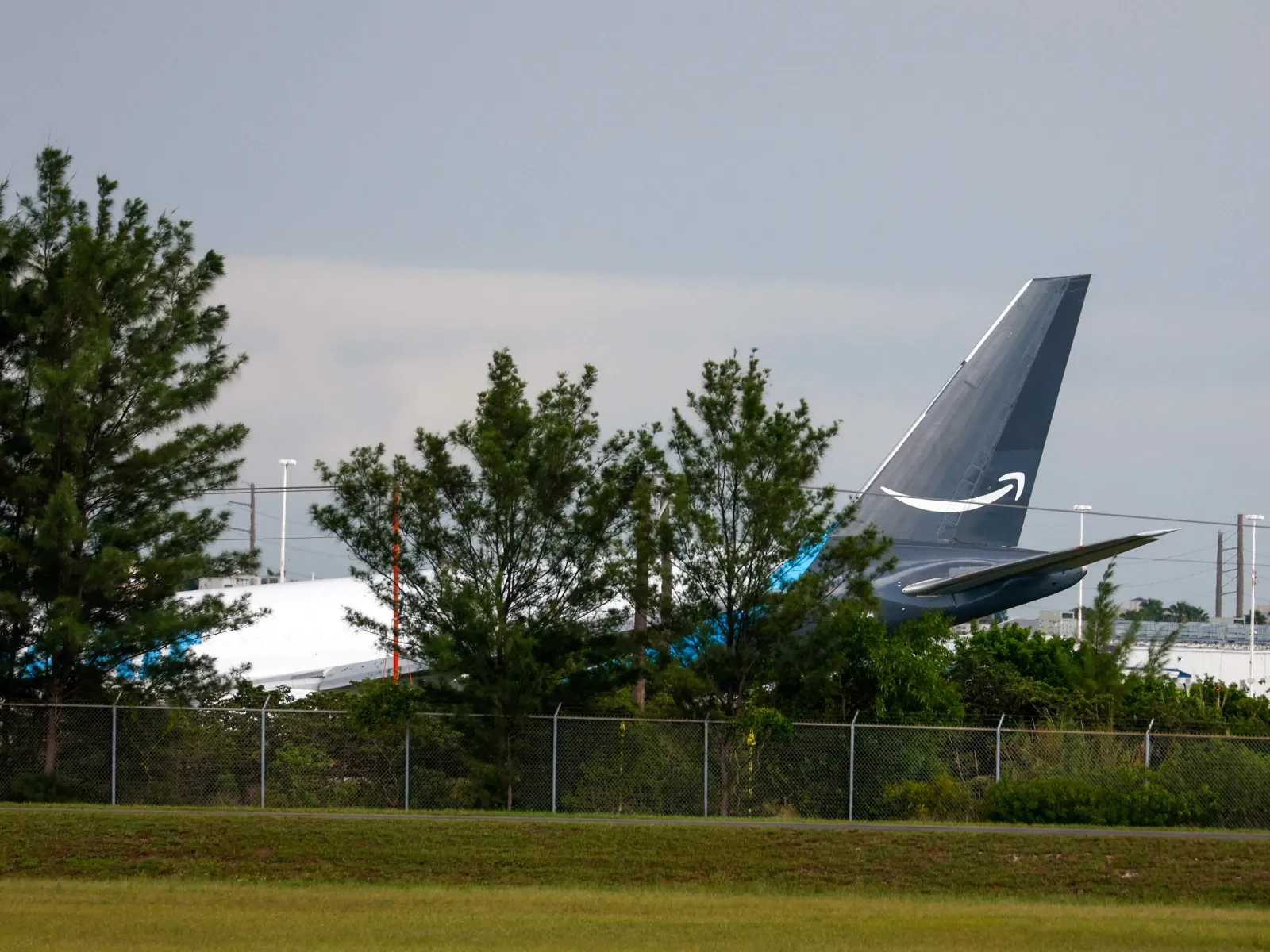
Amazon Prime Air 767 overshoots Miami runway, killing at least 5
The Boeing 767 freighter from San Juan struck vehicles and erupted in flames, prompting a ground stop and a fresh NTSB investigation into Amazon's air cargo network.

Death sentence for TV presenter Sarah Khalifa: Egypt's drug case hits media
The sentencing of Sarah Khalifa and 11 others underscores the severity of Egypt's anti-drug laws and the exposure of public figures to capital punishment.

Tim Cook steps down as Apple CEO, stays on as chair with $45M equity
The 'Trump whisperer' keeps his White House and Beijing access as Apple navigates tariffs and a $4.6 trillion market cap.