
NASA’s X-59 hits speed and altitude milestones, clearing groundwork for quiet supersonic flights
Milestones mean the quiet X-59 is closer to overflying US communities, and regulators can finally assess real-world noise.
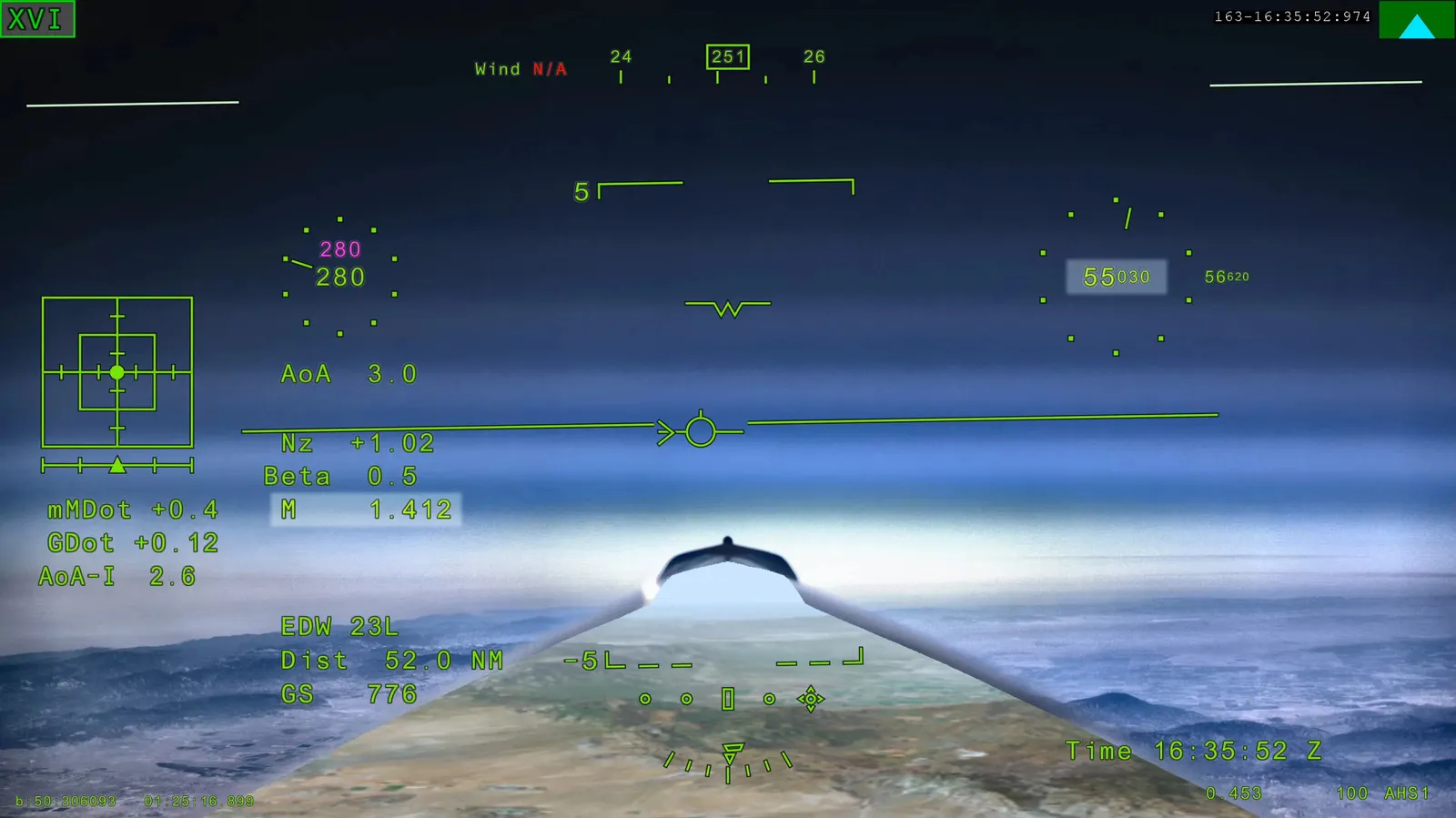
NASA says its X-59 has reached speed and altitude milestones ahead of its first quiet supersonic flights. For decision-makers, that timeline shift matters because it moves the hardest part of commercialization forward: regulatory proof with actual flights.
NASA’s X-59 is no longer just a concept in the hangar. The agency says the aircraft has reached speed and altitude milestones ahead of its first quiet supersonic flights, putting the program on a path toward flying over US communities.
That is the key operational turning point. Once an aircraft like the X-59 can demonstrate the performance envelope it is designed for, it becomes possible to progress from engineering checkpoints to the next, more politically and commercially important stage: generating the kind of real-world data regulators and communities will rely on when deciding whether supersonic passenger operations can exist over land.
To understand why this matters, it helps to know what the X-59 is trying to do differently. Conventional supersonic flight has historically been constrained not by physics but by public impact. The sonic boom is disruptive, and it is exactly the thing policymakers have been trying to manage for decades. NASA’s strategy with the X-59 is to support a future in which supersonic aircraft can fly over land with reduced community noise. The milestone that Engadget reports is not, by itself, a promise of a new airline schedule. It is a reliability signal that the vehicle is behaving as intended in flight conditions that precede the overland missions.
This is where incentives start lining up. For aerospace teams, reaching speed and altitude milestones is the difference between “we think it will work” and “we have evidence it can operate in the regime we planned.” That matters upstream for program planning and downstream for any partners who need to justify engineering schedules, ground support requirements, and eventual operational constraints. It also matters for regulators, because the path to enabling changes in airspace policy depends on data that is credible enough to be used, not just interesting enough to be studied.
Regulatory framing is the hidden spine of the supersonic comeback. Even if an aircraft can fly supersonically, commercial use over populated areas requires regulatory acceptance that the noise profile and community experience are manageable. NASA’s quiet supersonic approach is essentially designed to generate that acceptance. By reaching the speed and altitude milestones ahead of the first quiet supersonic flights, the X-59 is moving the program closer to the phase where the “how loud, how often, and how it is perceived” questions can be answered with actual flight operations.
For decision-makers watching from adjacent corners of the industry, this milestone is also a timing signal. Quiet supersonic is one of those categories where product maturity and policy progress are linked. If the aircraft gets to its overland-demonstration stage on schedule, it increases the probability that the regulatory conversation accelerates rather than stalls. If it slips, the market reverts to speculation and delays investment decisions. That is why a flight readiness milestone, even without new announcements about airlines or orders, can ripple across the broader aerospace pipeline.
There is also a community-stakes angle here. Engadget’s reporting emphasizes that the plane will soon be ready to fly over US communities. Those flights are inherently about human experience, not just instrumentation readings. In the second-order world, better flight performance milestones can translate into cleaner data collection, more consistent observation windows, and a better chance of building trust with the people who will actually hear the aircraft. Trust is not a soft factor when policy is involved. When governments consider new operational allowances, the credibility of the flight data and the clarity of the community impact narrative become central.
So what should executives and boards take from this? NASA’s X-59 reaching speed and altitude milestones is a concrete step toward quiet supersonic flight demonstrations, not a theoretical milestone on a roadmap. The first quiet supersonic flights are where engineering intent meets regulatory and social reality. If the program keeps converting milestones into flights over land, it will reshape the timeline for everyone tracking supersonic options, from aircraft suppliers and airport planning teams to investors evaluating when policy may finally open doors for next-generation supersonic travel.
This story's Key Insights and Take-aways are locked.
Create a free account to unlock Executive Actions for one credit.
Register to UnlockAlways free for Executives Club members. Join the Club
More in Technology

Nvidia's $89B data center quarter: the 9 companies cashing in
The AI buildout is minting fortunes beyond GPUs, and memory, cloud, and cooling suppliers are riding the same wave.

A YouTuber dissected the iPhone Duo and thinks he found crackgate's cause
CuriousHagi's teardown of Apple's foldable reveals a gear-like hinge that may explain why screens crack in the same spot within hours.

Google quietly links your phone number to every Android account on your SIM
Adding a SIM now ties your phone number to all Google accounts - and future accounts inherit it. Here's the security and privacy stakes.