
Netflix replaces Bela Bajaria with Peter Rice as stock slides
Sarandos swaps a 10-year veteran for Rice amid sliding stock and slowing engagement, signaling a new content era.
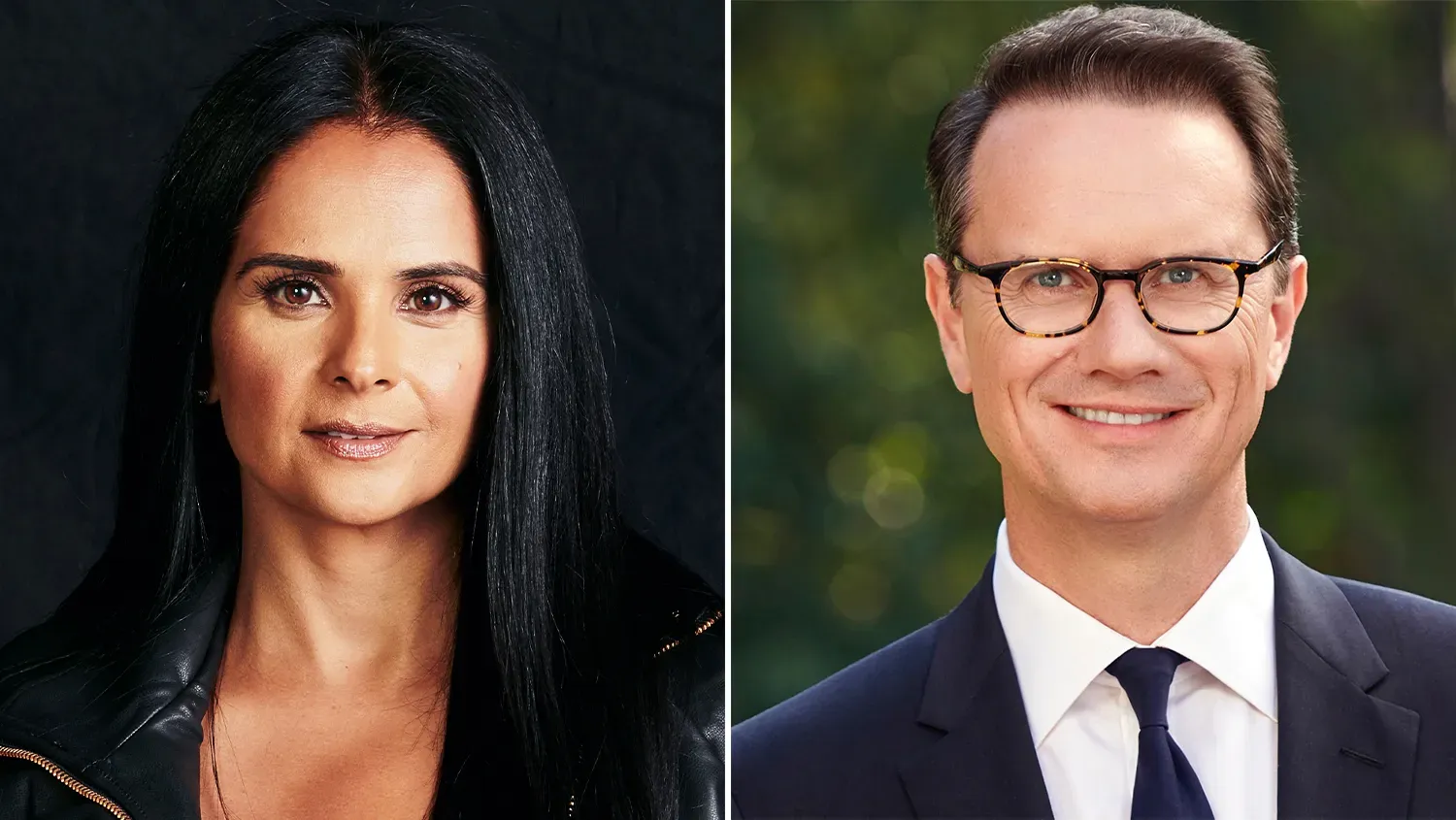
Netflix co-CEO Ted Sarandos replaced Chief Content Officer Bela Bajaria, a 10-year veteran, with Peter Rice as the streamer faces a sliding stock price and slowing engagement growth. The shakeup, which echoes a 2020 leadership swap, signals that content leadership is on the line when growth stalls.
Netflix co-CEO Ted Sarandos has replaced Chief Content Officer Bela Bajaria, a 10-year Netflix veteran, with Peter Rice, according to Deadline. The change lands as Netflix's stock slides and engagement growth slows, a combination that has put Sarandos's content leadership under a microscope. Rice is being welcomed back to the executive ranks, and the shift is already sending ripples through a company where layoff-weary staff are bracing for more upheaval.
The move is not Sarandos's first reset of this kind. In September 2020, he replaced Head of English-language series Cindy Holland, an 18-year veteran, in a similar shakeup. That pattern, call it the six-year itch, suggests Sarandos is willing to rotate top creative leadership when the platform's momentum falters. For Bajaria, the exit ends a decade-long run at the streamer, where she oversaw a global content slate that helped define Netflix's original-programming era. Her departure is a reminder that even long-tenured executives are not immune when growth metrics start to wobble.
The timing matters. Netflix has long been the dominant player in streaming, but its stock has been sliding and engagement growth has slowed, per the report. Those two pressures create a familiar dynamic for a company whose valuation depends on subscriber and viewing momentum. When growth stalls, content chiefs often become the first target, because programming is the lever most directly tied to engagement. Sarandos's decision to bring Rice back suggests he wants a different hand on that lever, one that can perhaps extract more from the existing slate or pivot the strategy toward new formats.
Rice's return to the executive ranks is notable in itself. The source material does not detail his prior roles, but the move signals that Sarandos is reaching for experience rather than promoting from within. For Netflix's creative partners, including studios, showrunners, and talent agencies, a change at the top of content often means a re-evaluation of what gets greenlit, what gets canceled, and which relationships matter. The 2020 Holland swap offers a precedent: after that change, Netflix continued to invest heavily in original series, but the leadership lens shifted. This time, the stakes are higher because the broader streaming market has matured and competition has intensified.
For the broader streaming industry, the shakeup is a reminder that content leadership is never safe when growth slows. Streaming rivals are all competing for the same engagement hours, and a stumble at the leader can quickly become a strategic opening. The fact that Sarandos acted now, rather than waiting for a full-blown crisis, suggests he is trying to get ahead of the slowdown. That is a lesson for any CEO: when your key growth metric decelerates, the first place investors look is the person in charge of the product that drives it. Boards should take note of the sequence: a stock slide, an engagement slowdown, and then a leadership change. For context, Netflix's content model has historically relied on a mix of data-driven decisions and creative relationships, and a change at the top can reset both.
The internal mood matters too. Deadline's report notes that layoff-weary staff are bracing for more upheaval. That detail suggests the Bajaria exit is not an isolated event but part of a broader cost-conscious era at Netflix. When a company pairs executive changes with workforce anxiety, the message to employees is clear: no role is permanent if the numbers don't move. For leaders in similar positions, the playbook is to communicate a clear strategy quickly, before speculation fills the vacuum. Silence after a high-profile exit can be read as indecision, and that is a risk in a creative business where talent has options.
What happens next is uncertain, but the stakes are high. Sarandos has now made two major content-leadership swaps in roughly five years, each time during a period of pressure. The question is whether Rice can deliver the engagement growth that Bajaria could not, or whether the problem is bigger than any single executive. For Netflix, the answer will show up in the next few quarters of engagement and stock performance. For everyone else in media, the lesson is that content chiefs are only as secure as their last growth cycle. The best defense is to tie content strategy to measurable engagement outcomes and to keep a bench of successors ready. That means the next few months will be closely watched by investors, creators, and competitors alike.
This story's Key Insights and Take-aways are locked.
Create a free account to unlock Executive Actions for one credit.
Register to UnlockAlways free for Executives Club members. Join the Club
More in Business

Elon Musk unveils a flying car, and SpaceX helped build it
The Tesla CEO's showcase at a SpaceX facility signals a future where road and rocket engineering converge.

Apple's $2,000 iPhone Duo opens preorders, taking on Samsung and Google
Apple's first foldable hits the market at a premium price, reshaping a category Samsung and Google have led.

Pope Leo XIV, first American pope, diagnosed with lung cancer
The 71-year-old Chicago-born pontiff underwent successful surgery on his right lung, and his diagnosis raises new questions about his AI-focused papacy and the Vatican's future.