
Netflix’s “Voicemails for Isabelle” turns grief phone calls into a creep-romcom gamble
Zoey Deutch leaves voicemails for her dead sister. Nick Robinson listens, tracks her down, and builds a romance on a lie.
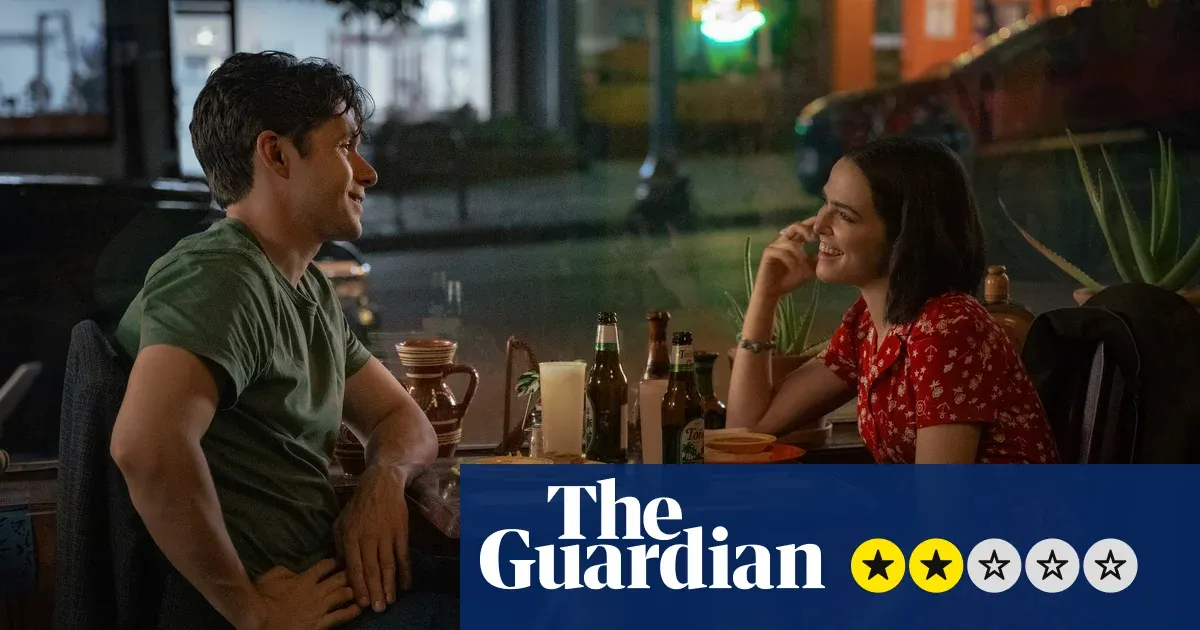
Netflix’s Voicemails for Isabelle stars Zoey Deutch as Jill and Nick Robinson as Wes, with the premise that Jill’s voicemails for her late sister reach a stranger. The film leans into an unsettling line between romantic comedy and creepy thriller, forcing executives to decide whether audiences will buy the genre shift.
Netflix’s Voicemails for Isabelle is built on a premise that is hard to dress up as cute: Jill (Zoey Deutch) leaves voicemails for her dead sister, but the number now belongs to a stranger, Wes (Nick Robinson), who listens, tracks Jill down, and inserts himself into her life. That “misdirected grief” setup is the whole engine, and it is also the reason the movie constantly feels like it is teetering between romantic comedy and creepy thriller.
The stakes are not subtle. The movie follows Jill as she tries to feel close to her late sister through old voicemail recordings, while Wes decides to actively use the information to find her, eventually “winning her heart” while refusing to be honest about why they’ve met. In other words, the romance is powered by behavior that would read as stalking in most real-world contexts, and the film seems aware of that uneasy overlap.
That awareness matters for anyone making or investing in films right now, because the industry is actively redefining what audiences will accept as “genre play.” The source notes that memes and thinkpieces have effectively raised post-movie bar jokes into commonly accepted theory. That is a telling sign of how online culture can shift the floor for taste faster than formal criticism can keep up. When viewers laugh at something as a “joke,” and then collectively decide it is evidence of a deeper meaning, the market learns new consent rules. In this case, the movie leans into an old tension: the line between lovelorn comedy and horror-adjacent behavior.
The Guardian frames this as not entirely new. Romantic comedies have long flirted with oddball stalkers and manipulative “romance” beats, and the piece points to a 20-year-old example: a Sleepless in Seattle trailer recut as a horror movie. That reference is useful context for executives: audiences have been reinterpreting romantic premises as threats for a long time, but Netflix’s romcom gamble is whether the reinterpretation can be sustained as entertainment rather than as backlash bait.
There is also a production history that signals the film had time to ferment in the wrong era for comfort. The movie is described as having some awareness of its unsettling premise, “as if it was originally written in the 2000s and then dusted off and tweaked for the 2020s.” The source adds a specific development detail: the film was originally set to star Hailee Steinfeld back in the 2010s. That kind of timeline suggests the core idea has been around long enough to outlive multiple shifts in how people talk about consent, privacy, and emotional harm, especially online.
And while there is no explicit regulatory discussion in the source, the second-order implications for decision-makers are obvious even without regulators in the room. A film that romanticizes someone tracking another person down with information from private voicemails sits in the broader cultural conversation that audiences now expect brands and studios to handle more responsibly. Even if this is “just fiction,” modern viewership reacts to narratives that mirror real fears: unwanted intrusion, surveillance-like behavior, and the way “romantic pursuit” can erase consent. Netflix is not being regulated here in the text, but it is being stress-tested by audience norms and platform-era expectations.
The plot summary the source provides also clarifies why the movie’s tone is such a hard sell. Jill and Wes end up on a path where Wes becomes central to Jill’s life, and the romance is framed as “eventually winning her heart” while still refusing to be honest about why they’ve met. That means the film is asking viewers to stay with an emotional payoff even as it withholds the moral explanation that would make Wes’s actions feel less grotesque. Executives should recognize the balancing act: too much thriller energy and it stops being a romcom; too little and it becomes an uncomfortable mismatch between marketing promise and narrative behavior.
What makes this especially relevant in the streaming era is how quickly audiences can segment. The source highlights that online deluges of memes and thinkpieces have turned genre jokes into accepted theory. On a platform, those theories spread alongside release schedules, meaning a film’s “reading” can harden fast. If enough viewers decide the wrong interpretation is the intended one, the movie can become less about romantic tension and more about the creepy-labeled mechanics of the meet-cute.
So the strategic question for peers is straightforward, and it is not just about this one movie. Netflix’s latest romcom is trying to thrive in the exact space where romantic comedy and creepy thriller overlap. If the audience buys it, it encourages more genre mashups with riskier romantic behavior. If it fails, it signals that “awareness of unsettling premises” is not enough, and that streaming platforms may need to recalibrate what “playful” means when the plot involves real-world style intrusion. Voicemails for Isabelle is a test case of whether the market will accept a flirtation with creepiness as charming, or treat it as a genre line Netflix should not cross.
This story's Key Insights and Take-aways are locked.
Create a free account to unlock Executive Actions for one credit.
Register to UnlockAlways free for Executives Club members. Join the Club
More in Entertainment
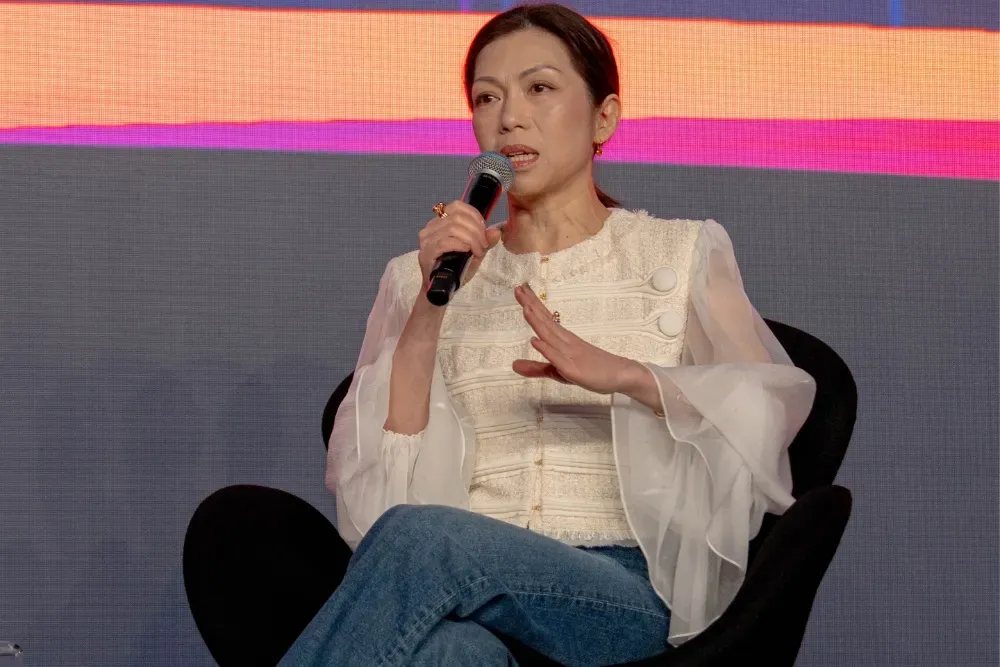
Viu CEO Janice Lee: nearly 20% of long-form users watch microdrama
The format launched months ago, and Viu is building a broader branded and co-production plan around it.
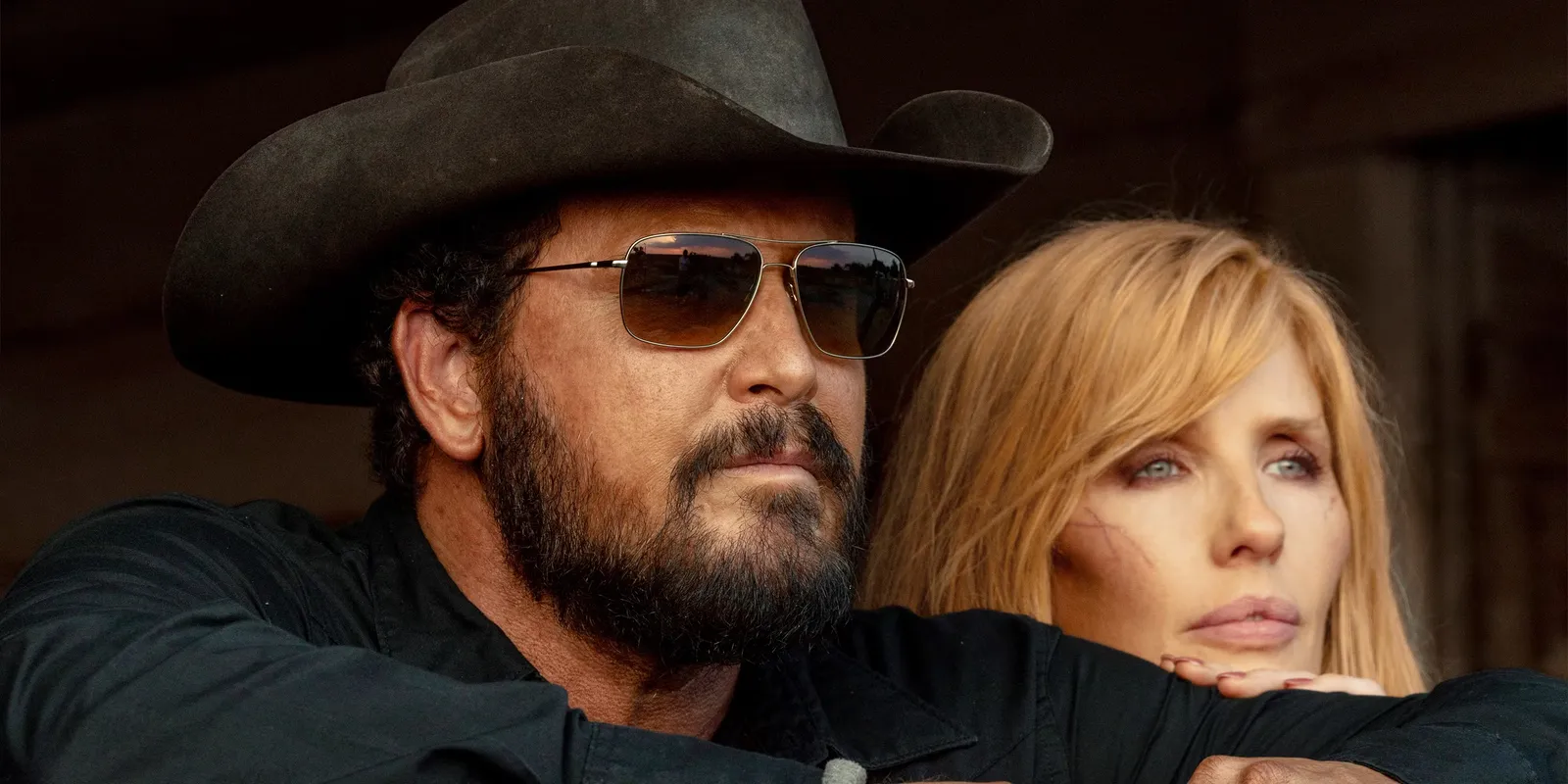
Ransom Canyon returns next month as Netflix fills the Taylor Sheridan Dutton Ranch gap
Netflix brings Ransom Canyon back for Season 2 next month, staking streaming-week dominance against Sheridan’s Yellowstone universe.

Bebe Rexha blocks Olivia Rodrigo rivalry after “Olivia outsold u” comparison
Rexha says she is happy for Rodrigo and doubles down on celebrating women instead of turning pop into a cage match.