
Netherlands joins France in pulling gold from New York: Is US safe-haven status fading?
The repatriation of central-bank gold from New York signals a quiet shift in trust that could reshape global reserve dynamics.

The Dutch central bank has followed France in repatriating gold from New York, a move that underscores growing unease about relying on US storage. For finance chiefs and investors, this signals that the dollar's safe-haven appeal may be eroding as central banks diversify reserves.
The Dutch central bank has quietly moved part of its gold reserves out of New York, following in the footsteps of France. It's a symbolic but significant step: for decades, central banks have parked their bullion in the Federal Reserve's vaults because New York is the world's gold trading hub, offering instant liquidity and minimal transport costs. Now, that trust is being tested, and the question hanging over the market is whether the United States is losing its safe-haven status.
The logic behind storing gold in New York was always practical. If a central bank needed to sell bullion quickly, it could do so without shipping bars across the ocean. But that convenience comes with a political risk: the gold sits on US soil, subject to US jurisdiction. France, which repatriated its gold in the 1960s and again more recently, understood this early. The Netherlands' decision to follow suggests that the calculus has shifted for a broader group of monetary authorities, especially after the freezing of Russian central bank assets in 2022.
That freeze was a wake-up call. When the US and its allies immobilized hundreds of billions of dollars in Russian reserves, they demonstrated that stored assets can be weaponized. For countries that are not aligned with Washington, holding gold in New York suddenly looks less like insurance and more like a liability. The Netherlands is not a geopolitical adversary, but its move signals that even close allies are rethinking the concentration of reserve assets in the US financial system.
This is part of a larger trend. Central banks have been net buyers of gold for over a decade, and many have chosen to bring their bullion home. Germany repatriated a large portion of its gold from New York and Paris in the 2010s. Poland and Hungary have also moved gold back to their own vaults in recent years. The pattern is clear: central banks want physical control over their reserves, not just a claim on a foreign ledger.
What does this mean for the US safe-haven status? The dollar and Treasuries remain the default global reserve assets, and nothing in the Netherlands' move changes that overnight. But the trend is a warning. If more central banks follow, the demand for US government debt could soften, pushing up borrowing costs for Washington. Gold, by contrast, is a neutral asset that carries no counterparty risk. Its rising price, near record highs, reflects this growing demand for alternatives.
For investors, the message is straightforward. Central bank gold purchases are a structural driver of the market, and repatriation adds a geopolitical premium. Portfolio managers should view gold not just as an inflation hedge, but as a hedge against the erosion of trust in the dollar-based system. The fact that a NATO-aligned country like the Netherlands is moving gold out of New York underscores that this is not a fringe phenomenon.
Corporate treasurers should pay attention too. If the dollar's reserve status gradually erodes, it will affect everything from FX hedging costs to the settlement of international trade. The process is slow, but the direction matters. A world where central banks hold more gold and fewer dollars is a world where the US has less leverage over global finance.
The Netherlands' move is a small step, but it is a telling one. It does not mean the US is losing its safe-haven status tomorrow, or even next year. But it is a reminder that trust is earned, not guaranteed. For decision-makers, the lesson is to watch central bank behavior closely, because the quiet movement of gold out of New York speaks louder than any policy statement.
This story's Key Insights and Take-aways are locked.
Create a free account to unlock Executive Actions for one credit.
Register to UnlockAlways free for Executives Club members. Join the Club
More in Business

Death sentence for TV presenter Sarah Khalifa: Egypt's drug case hits media
The sentencing of Sarah Khalifa and 11 others underscores the severity of Egypt's anti-drug laws and the exposure of public figures to capital punishment.
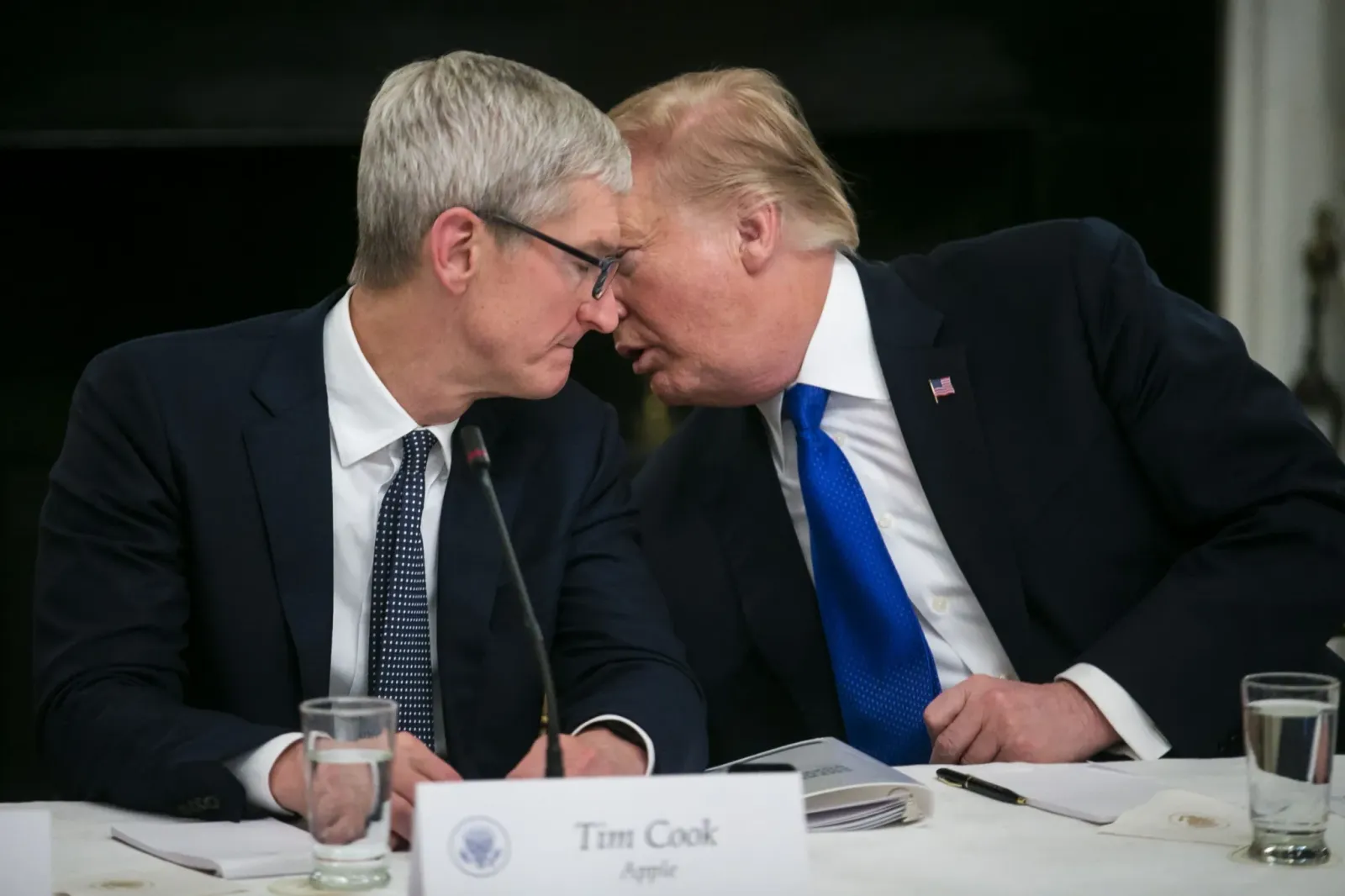
Tim Cook steps down as Apple CEO, stays on as chair with $45M equity
The 'Trump whisperer' keeps his White House and Beijing access as Apple navigates tariffs and a $4.6 trillion market cap.

Snowflake shares surge as AI data demand crushes estimates, lifting full-year forecast
Stocks jumped on stronger-than-expected guidance, signaling enterprise AI workloads are accelerating faster than Wall Street priced in.